

Bracket Clock with Brass
A bracket clock with brass brings precise mechanical movement and refined cabinetry together, offering a traditional centrepiece for a mantel or table.
Bracket Clock with Brass
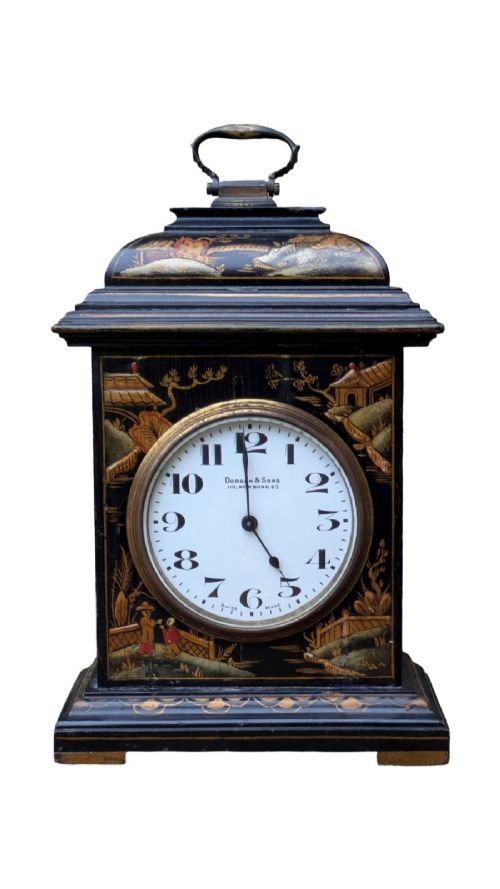
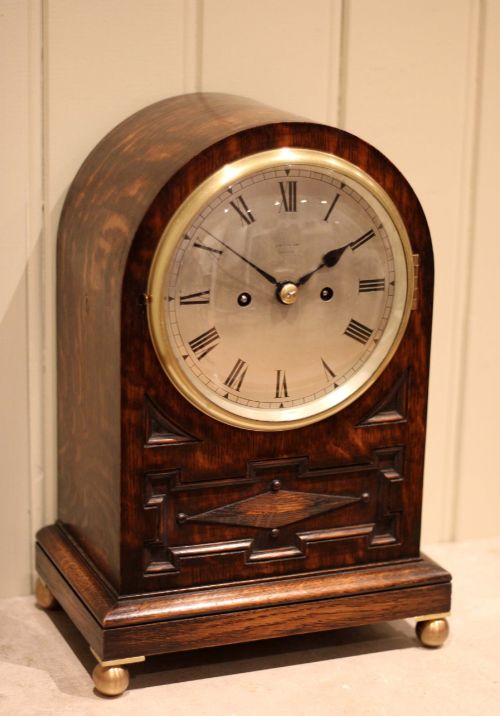
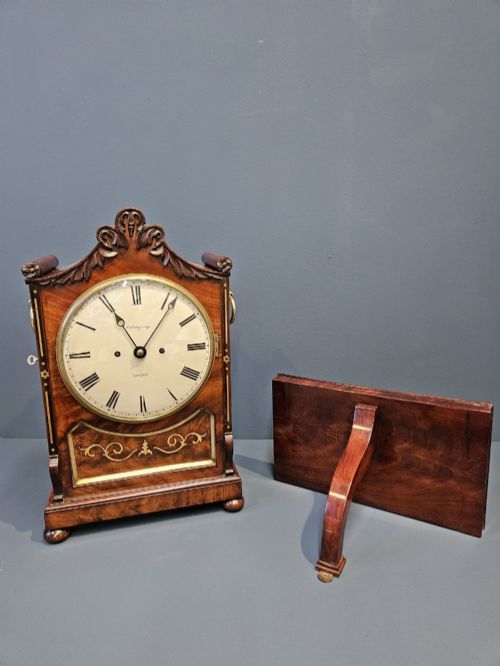
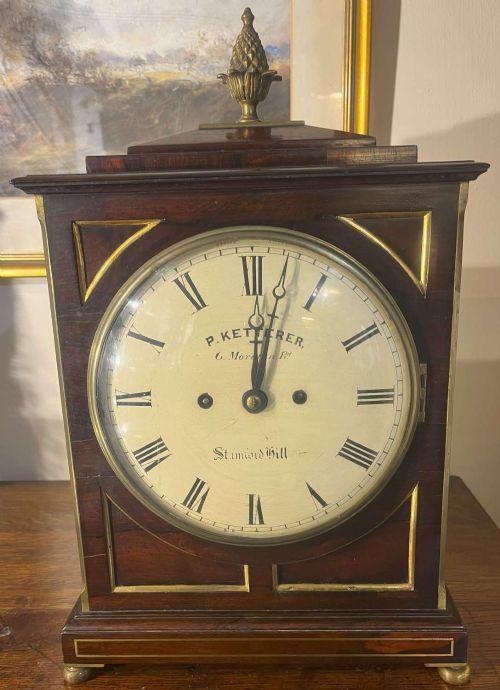
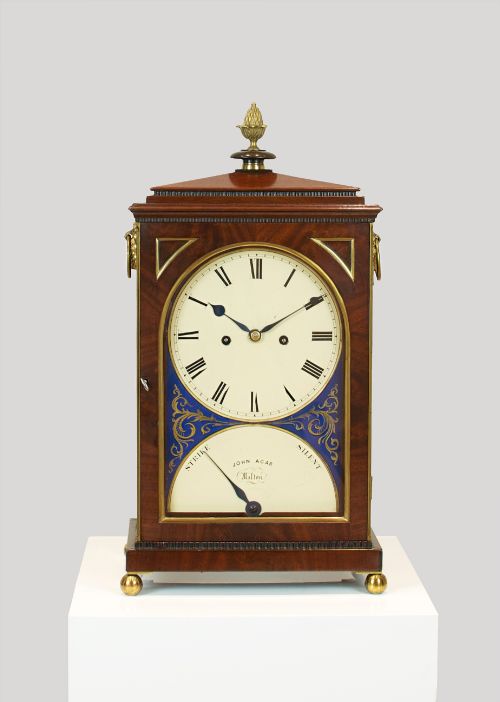
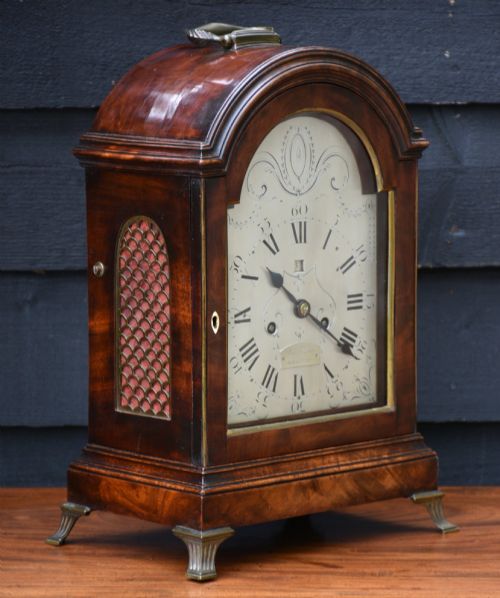
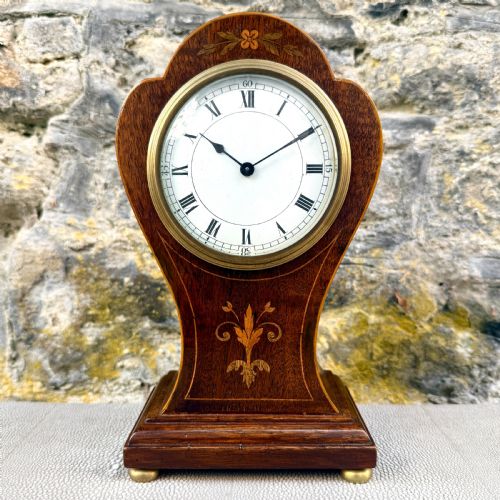
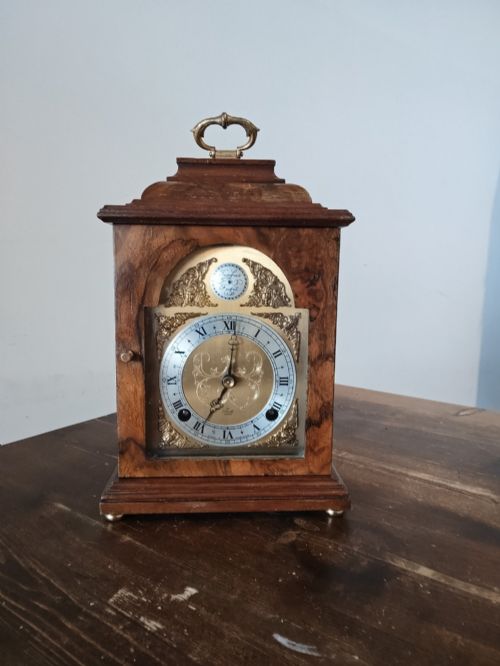
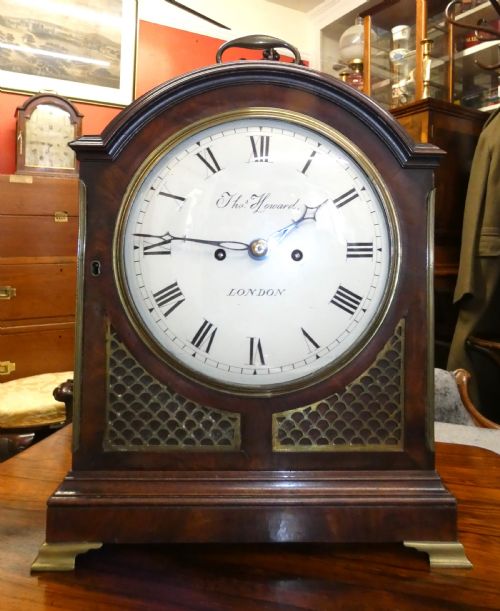
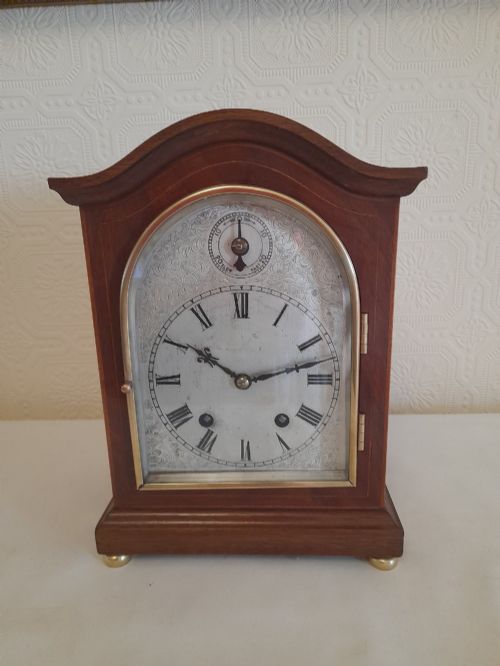
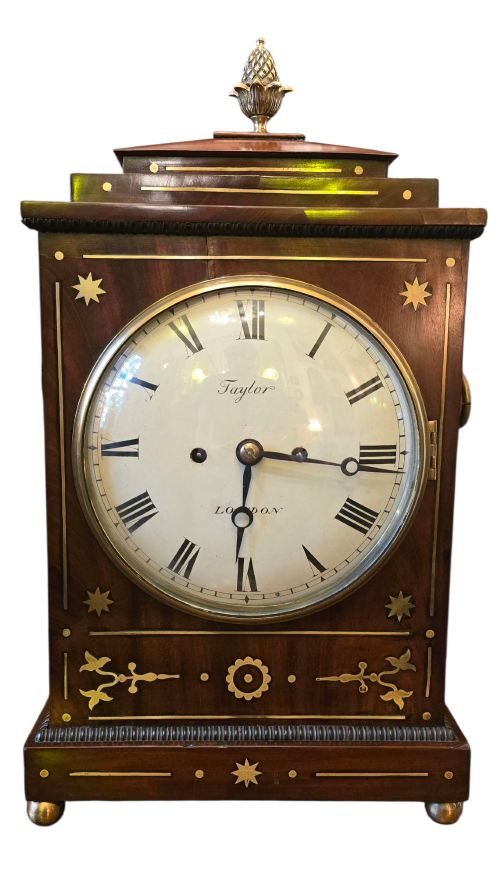
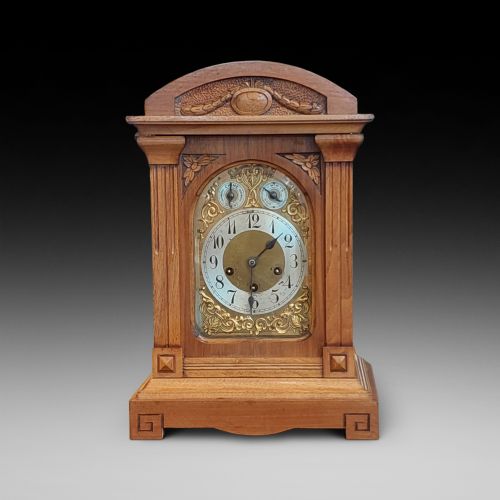
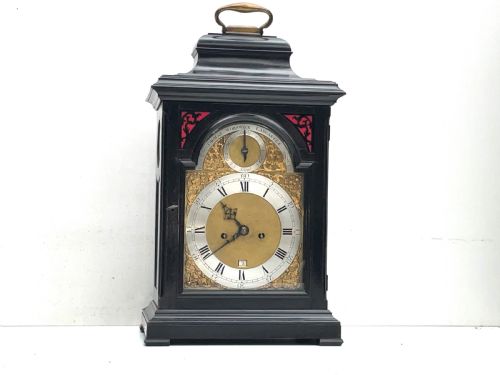
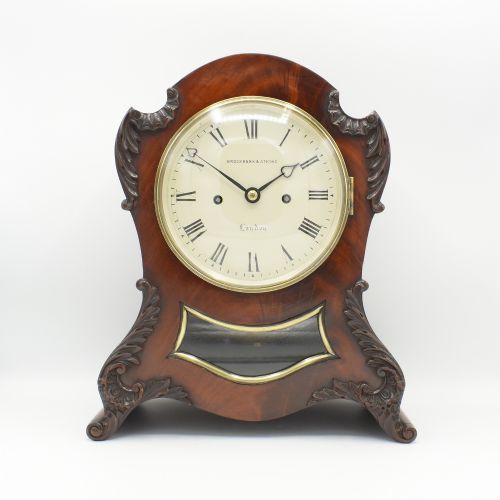
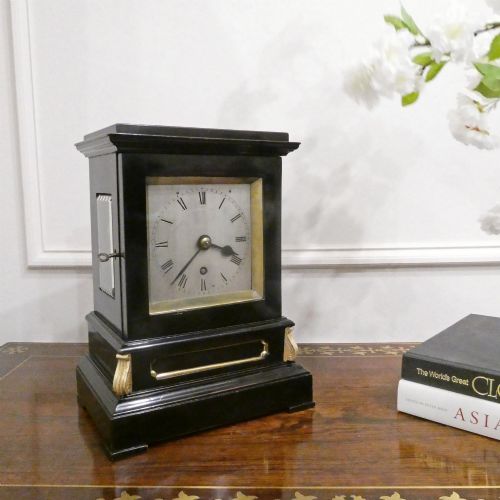
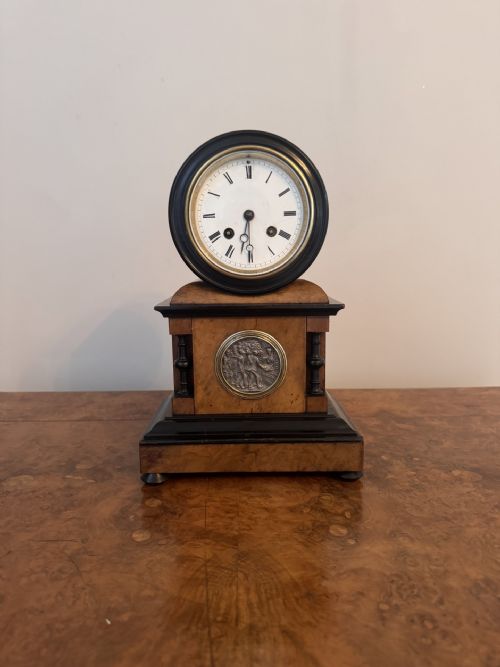
A bracket clock with brass encompasses portable timepieces originally designed to sit on a wall bracket or table, spanning the eighteenth, nineteenth and early twentieth centuries. These pieces appear in forms such as bell-top mahogany cases, ebonised architectural designs and inlaid balloon shapes.
The selection includes English fusee movements alongside continental examples, featuring brass dials, silvered metal chapters and ornate ormolu mounts. Variations range from simple single-fusee timepieces to complex striking mechanisms with alarm functions.
Materials and Construction
Cabinetmakers constructed the primary housings using dense timbers like mahogany, rosewood, oak and ebonised wood, frequently incorporating brass inlay, gilt bronze mounts and tortoiseshell veneer. Dial faces combine cast brass, engraved silvered metal and enamel numerals to ensure clear legibility.
Internal engineering relies on brass gear trains, steel pivots and precise escapements such as the verge, anchor, platform or fusee mechanism. Many of these movements require key winding and control timekeeping through pendulum swings or balance wheels.
Bracket Clock with Brass Retail Price Guide 2026
Typical asking prices for bracket clock with brass among the pieces listed under this phrase on Sellingantiques today, from the lower quarter to the upper quarter. They describe what is for sale here now, not the wider market.
Listings feature eighteenth-century bell-top designs alongside Victorian gothic revival models, French Louis XVI styles and Regency mahogany fusee timepieces.
Factors of Quality
Quality rests in the crispness of the brass engraving, the stability of the wood case construction and the complexity of the internal movement. Master clockmakers implemented refined fusee or verge escapements that delivered smoother power distribution and greater timekeeping accuracy.
Casing details also separate standard production from high-end workshop output, seen in the depth of timber grain, the weight of cast ormolu mounts and the original integrity of the dial and hands.
John Seddon·John Taylor·James Smith·Chater And Son·Robert Higgs·John Ellicott·Joseph Lum·James McCabe·Fatton Eleve De Breguet
The Bracket Clock with Brass Glossary
- Fusee
- A conical pulley used in mechanical clocks to equalise the declining power of a mainspring as it unwinds. This mechanism helps maintain steady force on the gear train for more accurate timekeeping.
- Verge escapement
- An early type of mechanical escapement that regulates the motion of the gear train using a crown wheel and a vertical rod with pallets. It is commonly found in seventeenth and eighteenth-century English bracket clocks.
- Ormolu
- Gilded bronze ornamentation applied to clock cases, popular in French and English decorative styles from the eighteenth century onwards. The technique involves coating bronze objects with a mercury and gold amalgam.
- Silvered metal
- A brass dial plate treated with a silver solution to create a matte white finish that highlights engraved numerals and maker signatures. This surface provides high contrast against dark cabinet woods.
Bracket Clock with Brass: Frequently Asked Questions
How do I wind a fusee bracket clock?
Winding requires inserting the appropriate key into the dial aperture and turning it gently until resistance is met. Care should be taken not to over-wind the mainspring.
Most fusee movements require a weekly wind, though specific models feature month-going or year-going capabilities that alter the maintenance schedule.
What is the difference between a mantel clock and a bracket clock?
Bracket clocks historically included a matching wall bracket for support, whereas mantel clocks were built exclusively to stand flat on a surface. Over time, the terms became largely interchangeable in trade descriptions.
Both categories utilise similar internal movements, though traditional bracket clocks frequently incorporate carrying handles on top.
How do I date an antique brass dial clock?
Dating relies on stylistic clues in the brass spandrels, the shape of the hands, the timber used for the case and the complexity of the escapement. Earlier eighteenth-century models often feature square brass dials with engraved details.
Maker signatures inscribed on the backplate or dial face provide direct historical reference points when matched with workshop records.
Where should I place a mechanical clock in my home?
These clocks perform best on sturdy, level surfaces away from direct sunlight, heating vents and damp areas. Placing them on an interior wall or heavy piece of furniture prevents vibrations that can disrupt the pendulum.
Level placement is essential for ensuring the escapement beats evenly and the clock continues running reliably.