




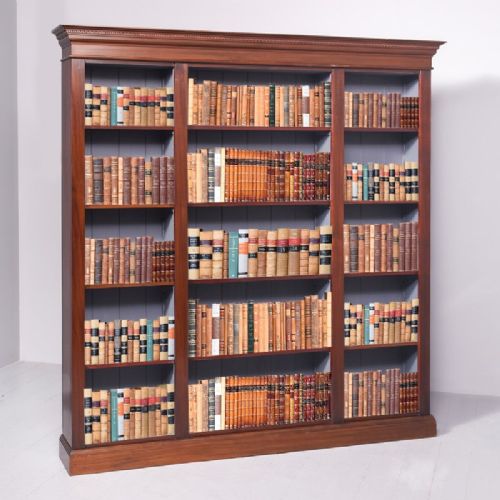


Book Wall Shelf
A proper book wall shelf holds volumes off the floor and displays small libraries right where you need them.
Book Wall Shelf
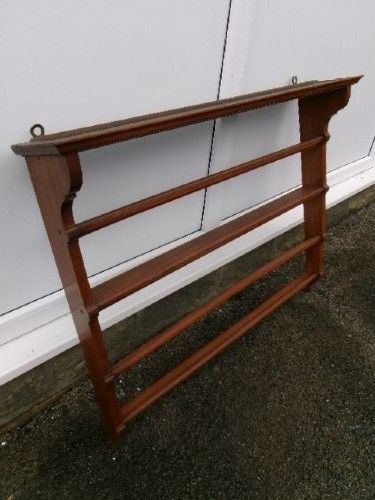
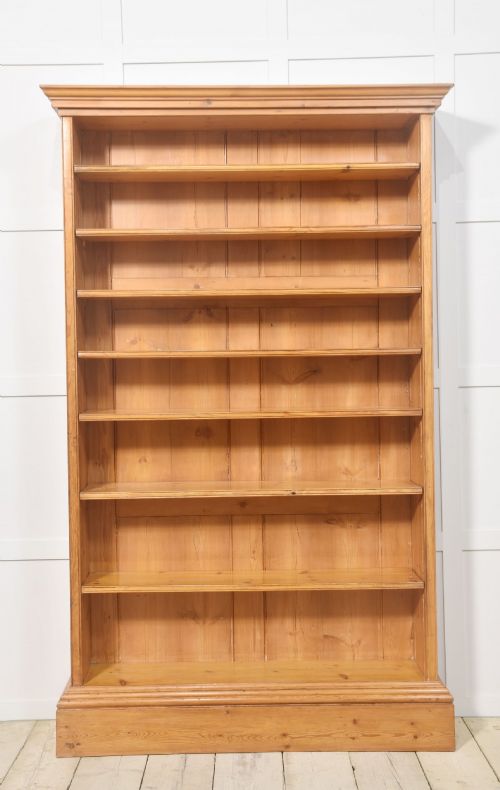
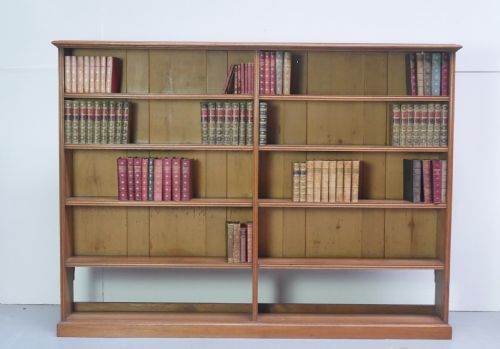
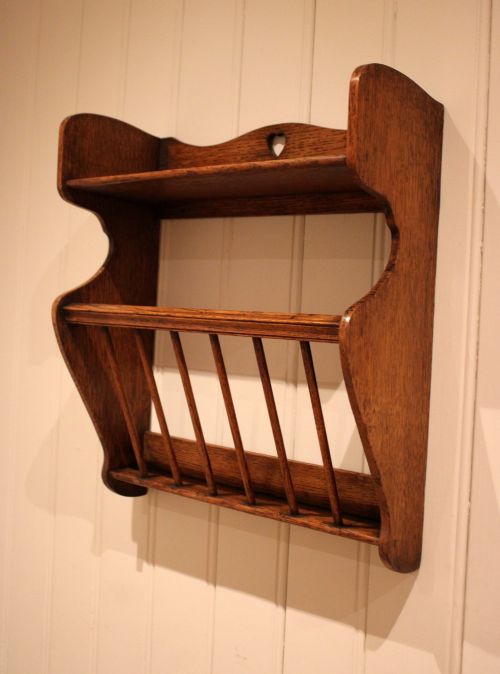
When you search for a book wall shelf, you find vertical storage solutions designed to mount directly to a wall rather than stand on the floor. These pieces range from compact hanging racks to larger open bookcases and display shelves that save valuable floor space in smaller rooms.
The selections span multiple eras, including 17th Century, 18th Century, 19th Century, Edwardian, and 1900. You are most likely to meet mahogany and pine versions from the Victorian and Edwardian periods, often featuring open shelving or built-in magazine racks.
Styles vary from rustic country and French country to Arts and Crafts, Victorian Gothic Revival, and Georgian Revival. Alongside standard timber shelving units, the inventory occasionally includes related items like cabinets and oil paintings depicting bookshelves.
How they were made
Carpenters constructed these hanging shelves using solid timbers such as mahogany, pine, oak, beech, and satinwood. Cabinetmakers selected these woods for their grain patterns and structural strength, ensuring the boards could support the weight of stacked volumes.
Joinery methods varied according to the period and workshop tradition, utilising simple dowels, dovetails, or iron fixings to secure the side panels to the horizontal shelves. Decorative touches often included brass fittings, painted wood finishes, or subtle inlay work.
Some specialised items incorporate turned elements like bobbin details on the side supports, while others rely on rustic boards or carved mouldings characteristic of Gothic and Baroque revivals.
Book Wall Shelf Retail Price Guide 2026
Typical asking prices for book wall shelf among the pieces listed under this phrase on Sellingantiques today, from the lower quarter to the upper quarter. They describe what is for sale here now, not the wider market.
Listings feature woods including mahogany, pine, oak, beech, and satinwood across periods from the 17th Century to the Edwardian era.
What varies in quality
The distinction between standard utility shelving and finer cabinetmaking lies in the selection of timber and the precision of the joinery. Superior pieces display carefully matched grain, sound structural joints that prevent sagging under a load, and well-executed decorative elements such as fine inlay or turned bobbin work.
Condition and originality also set examples apart, with intact hanging brackets, original brass elements, and untouched patination commanding greater respect among collectors. Simpler pine or softwood items made for utilitarian service contrast with polished mahogany or inlaid Edwardian pieces created for formal reception rooms.
The Book Wall Shelf Glossary
- Bobbin shelves
- Shelving supported by vertical turned columns resembling spools or bobbins threaded onto a rod. This decorative turning style appears frequently on 19th-century mahogany wall pieces.
- Open bookcase
- A bookcase or wall shelf lacking doors or glass fronts, allowing direct access to the volumes stored within. These units focus attention entirely on the spines of the books.
- Inlay
- A decorative technique where contrasting woods or other materials are inserted into recessed portions of the base timber to form patterns. Edwardian mahogany shelves often utilise this method on their backsplashes or friezes.
- Gothic Revival
- An architectural and decorative style drawing inspiration from medieval design, featuring pointed arches, heavy mouldings, and robust oak construction. Pieces from this movement display distinct ecclesiastical character.
Book Wall Shelf: Frequently Asked Questions
Can these shelves hold heavy hardback books?
Solid hardwood shelves made from oak or mahogany handle heavy volumes easily, provided the boards are thick enough to resist bowing over time. Lighter pine or softwood units suit paperbacks and smaller octavo editions rather than large encyclopedias.
Inspect the depth and thickness of the timber shelves to determine their capacity before loading them with dense collections.
How do I date an antique wall shelf?
Dating relies on identifying the primary timber, tool marks, joinery techniques, and stylistic clues such as Arts and Crafts brackets or Edwardian inlay work. Secondary woods at the back of the piece often provide additional hints regarding the era of manufacture.
Comparing the decorative vocabulary to established historical revivals helps narrow down the decade of production.
How do I care for antique wood finishes?
Maintain polished mahogany, oak, and walnut surfaces by applying a traditional beeswax coating sparingly and buffing with a soft cloth. Avoid placing wooden shelves in direct sunlight or near heat sources that cause the timber to dry out and split.
Regular dusting with a dry lint-free cloth preserves the patina without introducing moisture that harms historic polishes.