





Bone Scrimshaw Carving
Bone scrimshaw carving brings tactile maritime history into your home, offering miniature sculptures and functional objects shaped by sailors, prisoners, and indigenous artisans.
Bone Scrimshaw Carving
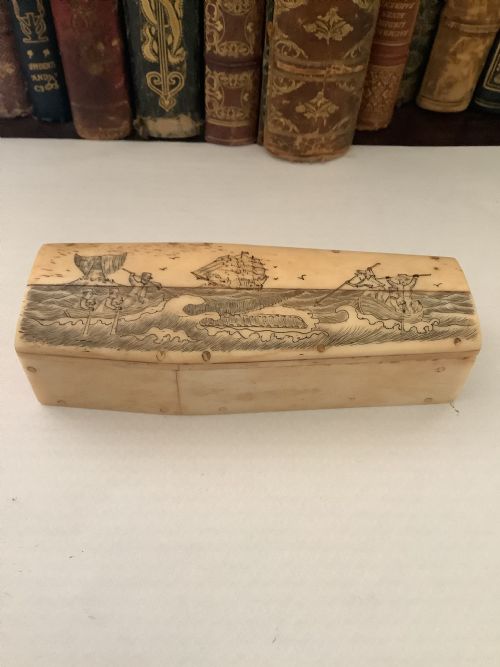
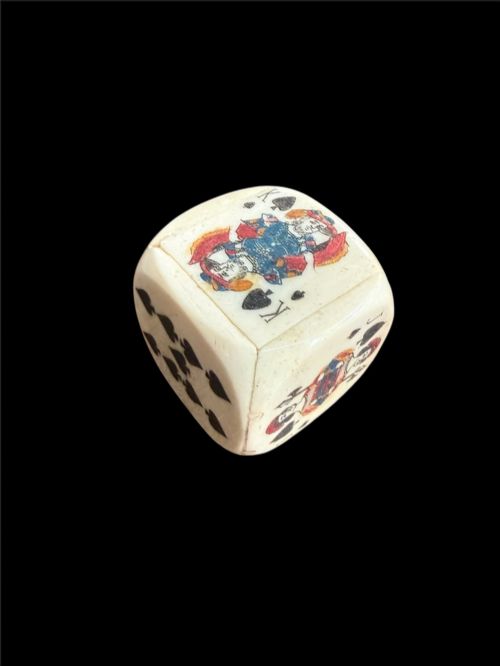
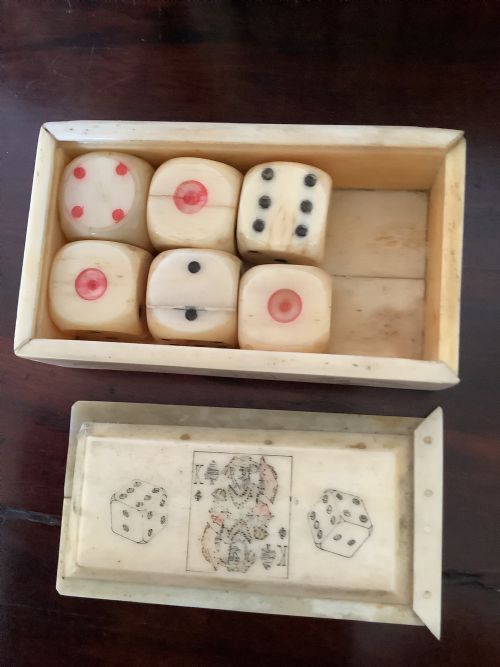
When you search for bone scrimshaw carving, you encounter authentic nautical folk art, maritime folk art, and tribal pieces shaped from organic materials. These items include decorative boxes, gaming collectibles, walking sticks, and small sculptures carrying deep historical resonance.
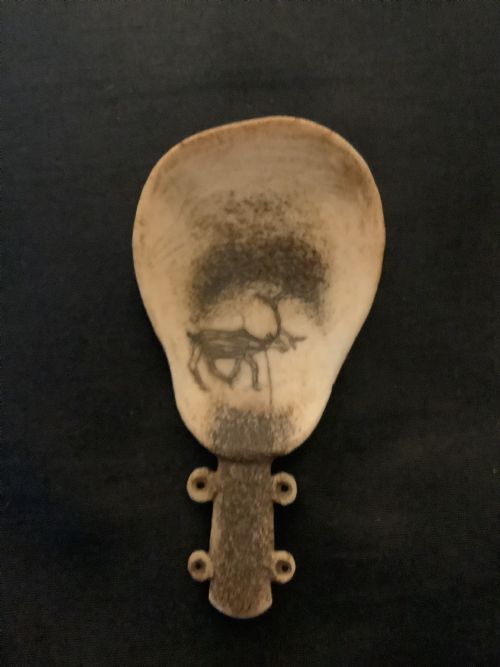
The objects span multiple eras, most frequently appearing from the 18th century and the 19th century, alongside early 20th century examples. You will regularly find utilitarian items that received decorative attention, such as dice shakers, domino sets, love spoons, and walking canes.
Geographic origins and cultural contexts vary widely among the listings, ranging from English folk art and prisoner of war work to central European stag horn items and Inuit tribal art. This diversity means every piece carries distinct marks of its maker's environment and available tools.
Materials and construction methods
Artisans utilised whalebone, long bone, antler, and stag horn as the primary structural substrates for these carvings. These dense materials were shaped using simple hand tools, pocket knives, and makeshift saws to create smooth surfaces and intricate silhouettes.
Makers applied pigment and ink to highlight incised lines, turning simple scratching into detailed pictorial work or geometric patterns. Additional components incorporate wood, metal, and horn to assemble complex functional objects like games boxes and walking sticks.
Bone Scrimshaw Carving Retail Price Guide 2026
Typical asking prices for bone scrimshaw carving among the pieces listed under this phrase on Sellingantiques today, from the lower quarter to the upper quarter. They describe what is for sale here now, not the wider market.
Assessing craftsmanship and condition
The distinction between ordinary and exceptional pieces lies in the crispness of the carving and the complexity of the incised details. Superior items exhibit confident linework, balanced proportions, and careful integration of natural material irregularities.
Historical association and patination also drive distinction across the range. Pieces bearing clear signs of period handling, original pigment retention, and documented prisoner of war or tribal provenance hold greater visual and historical depth.
The Bone Scrimshaw Carving Glossary
- Scrimshaw
- The technique of carving or engraving whalebone, whale ivory, or bone, traditionally practiced by sailors. It transforms raw marine materials into decorated functional or decorative objects.
- Memento mori
- An artistic or symbolic reminder of the inevitability of death. These pieces often incorporate skull or skeletal motifs designed for contemplation.
- Love spoon
- A wooden, bone, or horn spoon carved as a token of affection or engagement. They frequently feature intricate symbolic decoration and regional folk art motifs.
- Whalebone
- The flexible keratin material from the upper jaws of baleen whales, or alternatively the skeletal bone of cetaceans. It served as a primary medium for maritime carving.
Bone Scrimshaw Carving: Frequently Asked Questions
What is bone scrimshaw carving?
Bone scrimshaw carving encompasses decorative and utilitarian objects shaped from bone, whalebone, and antler by sailors, prisoners, and indigenous carvers. These items range from small sculptures and gaming pieces to walking sticks.
Most surviving examples date from the eighteenth and nineteenth centuries, reflecting maritime and folk traditions. Artisans utilised simple hand tools to cut, shape, and engrave the dense material.
How were these carvings used?
Many carved objects served practical daily functions aboard ships, in remote communities, or during wartime captivity. Examples include walking sticks for travel, spoons for dining, and boxes for games.
Other items were purely decorative or symbolic, such as small statues and memento mori pieces. Their dual nature as practical tools and artistic expressions defines the category.
How do I identify period pieces?
Period identification relies on examining material patination, tool marks, and stylistic conventions associated with eighteenth or nineteenth-century folk art. Genuine older items display natural ageing, wear patterns, and stable organic surfaces.
Contextual details like specific prisoner of war styles or traditional Inuit carving characteristics help narrow down origin and date. Comparing construction methods against documented historical examples ensures accurate attribution.
How do I care for bone objects?
Bone and antler carvings require stable environmental conditions away from direct sunlight and extreme humidity fluctuations. Keeping them in moderate indoor climates prevents drying, cracking, or warping of the organic material.
Dusting should be performed gently with a soft, dry brush without applying liquid cleaners or polishes. Preserving the natural surface allows the historic patina to remain intact.