





Bohemian Glass Light
A bohemian glass light brings brilliant colour and crystal sparkle to a room, catching the light through rich ruby hues and cut details.
Bohemian Glass Light
When you search for a bohemian glass light, you encounter a striking variety of forms ranging from grand crystal chandeliers to ruby glass mantel lustres and table lamps. These pieces originate across the nineteenth and early twentieth centuries, spanning Victorian, Edwardian, and Art Deco periods.
The most common versions on this page are ruby glass lustres and large crystal chandeliers, alongside specialised items like lamp bases, table lamps by Karl Palda, and chandelier components such as arms, bowls, and stems.
Makers and origins show continental European craftsmanship, notably Bohemian production alongside Italian Maria Theresa styles, utilising heavy crystal, amber glass, and uranium glass dishes.
How they were made
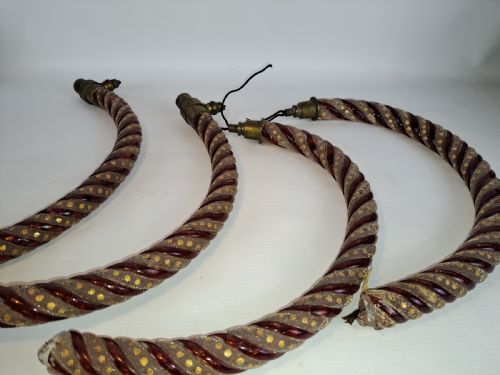
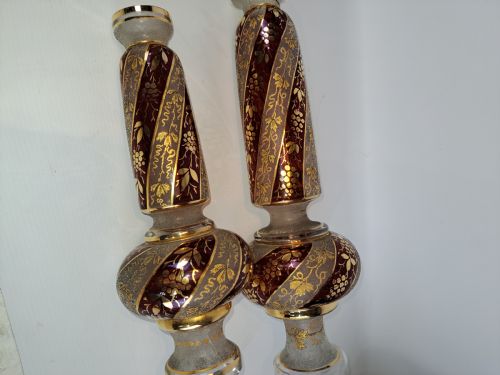
Glassmakers utilised techniques involving heavy crystal, flash glass, and coloured glass layers, often shaping ruby red or amber vessels by hand. Many surfaces received detailed treatment through cutting, frosting, and acid-etching.
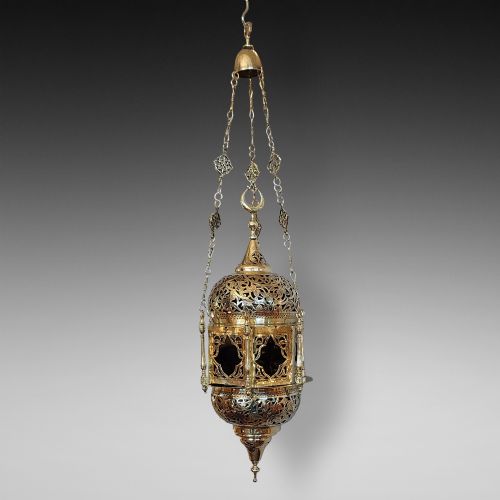
Decoration frequently incorporates hand-applied gold leaf, gilding, and enamel highlights over the glass body. Metal elements such as brass and copper frequently form the structural mounts, stems, and hanging lantern frames that support the glass components.
Bohemian Glass Light Retail Price Guide 2026
Typical asking prices for bohemian glass light among the pieces listed under this phrase on Sellingantiques today, from the lower quarter to the upper quarter. They describe what is for sale here now, not the wider market.
Listings feature items spanning the nineteenth century, the Edwardian period, and the 1930s Art Deco era.
What varies in quality
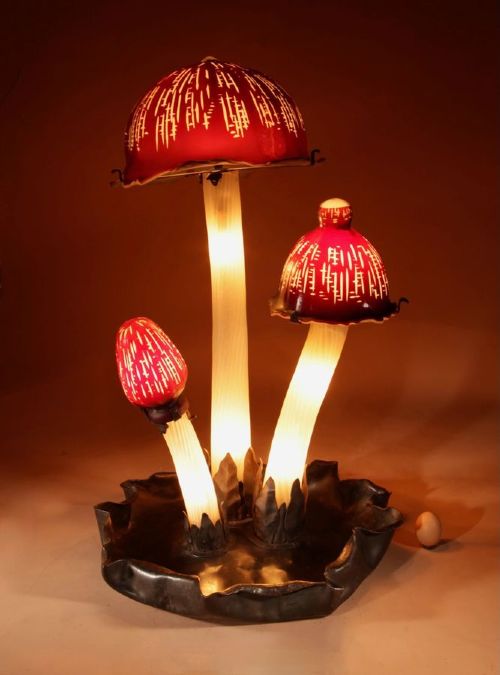
The distinction between ordinary and exceptional pieces rests upon the crispness of the glass cutting and the depth of the ruby flash layer. Superior examples display precise facet work and richly saturated colour rather than flat or muddy tones.
Gilding and enamel detailing show varying degrees of hand skill, where finer pieces exhibit delicate, well-preserved metallic work and complex etched motifs. The weight of the crystal and the integrity of paired components, such as matching mantle lustres or chandelier arms, also elevate the standing of an item.
Karl Palda
The Bohemian Glass Light Glossary
- Ruby Glass
- A deep red glass created by adding gold or copper to the batch during melting. It appears frequently in nineteenth-century mantel lustres.
- Mantel Lustre
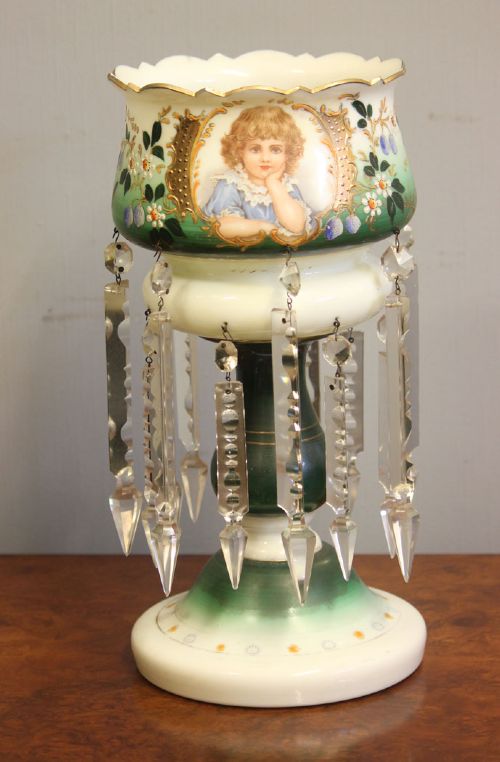
- A decorative glass vase fitted with hanging crystal prisms designed for display on a fireplace mantel. These often feature elaborate cut glass and gilt decoration.
- Flash Glass
- A vessel formed from a thin layer of coloured glass applied over a clear or contrasting body. Glassmakers cut through this outer layer to reveal the contrasting colour beneath.
- Uranium Glass
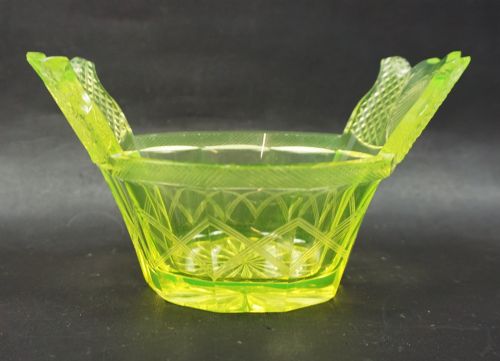
- Glass containing a small percentage of uranium oxide, which glows green under ultraviolet light. These pieces date primarily to the early nineteenth century.
- Overlay Glass
- A technique where multiple layers of different coloured glass are fused together before cutting. This allows for intricate multi-toned decorative patterns.
Bohemian Glass Light: Frequently Asked Questions
What is a mantel lustre?
A mantel lustre is an ornamental vase adorned with hanging crystal prisms, traditionally placed on a fireplace mantel to catch and reflect candlelight.
These pieces combine decorative glass bodies with dangling cut crystals, functioning primarily as decorative items rather than light sources.
How do I identify Bohemian glass?
Bohemian glass is typically identified by its heavy crystal weight, rich ruby or amber colours, and intricate cut or etched surface designs.
Many examples also incorporate gilt enamelling and overlay techniques characteristic of Central European workshops from the Victorian era onward.
What is flash glass?
Flash glass consists of a clear glass base covered by a very thin outer layer of coloured glass, usually ruby red.
Artisans cut away portions of this outer layer to create contrasting patterns of clear and coloured glass.
How do I clean an antique chandelier?
Cleaning an antique glass light requires gentle dusting with a soft cloth and careful wiping of individual crystal drops using a mild cleaning solution.
Avoid harsh chemicals that might damage surface gilding, enamel work, or fragile brass and copper mounts.