


Bobbin Turn Table
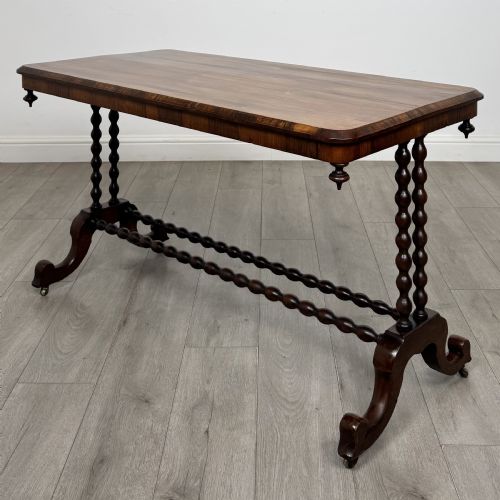
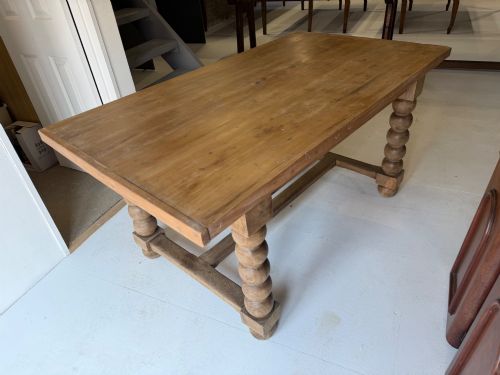
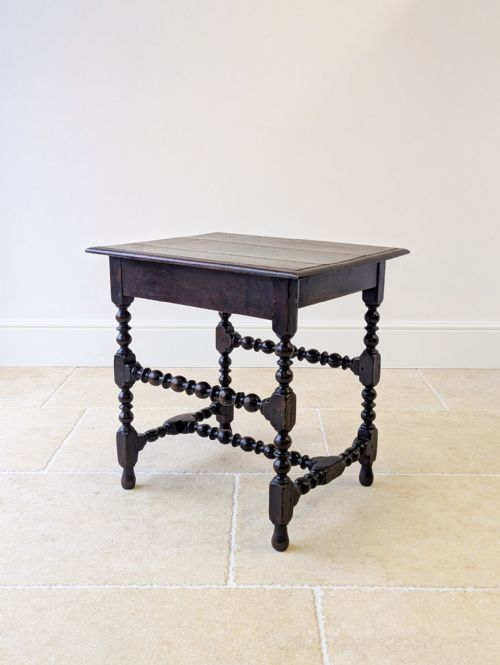
A bobbin turn table brings tactile turned woodwork into a room, offering functional surface space with distinctive repeating profile legs.
Bobbin Turn Table
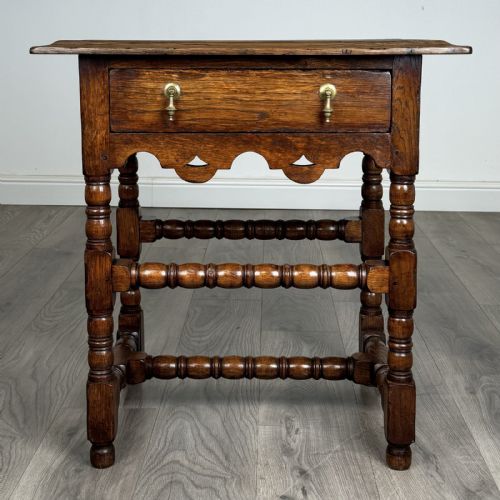
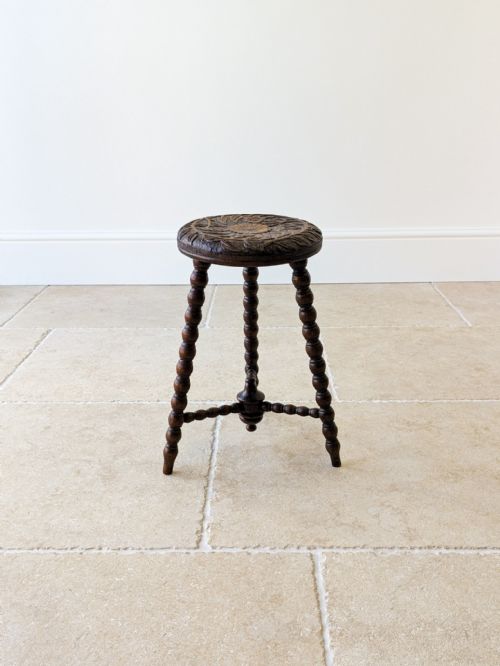
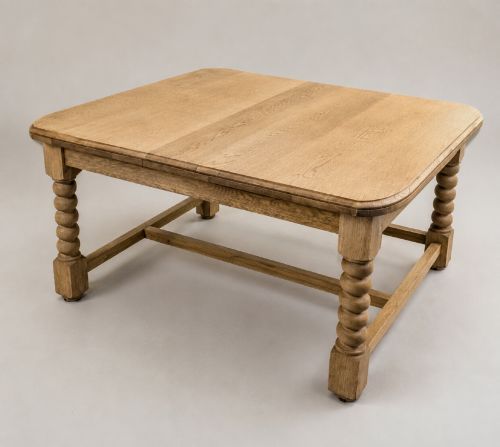
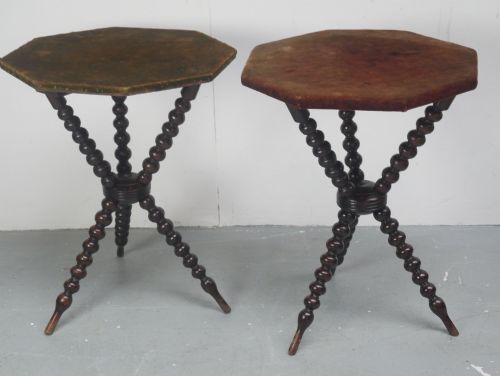
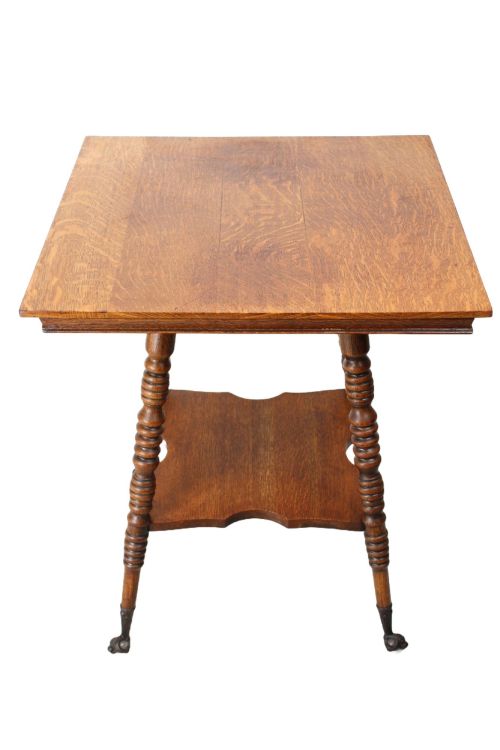
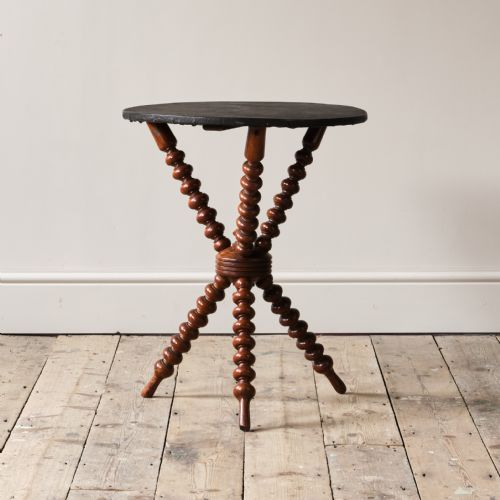
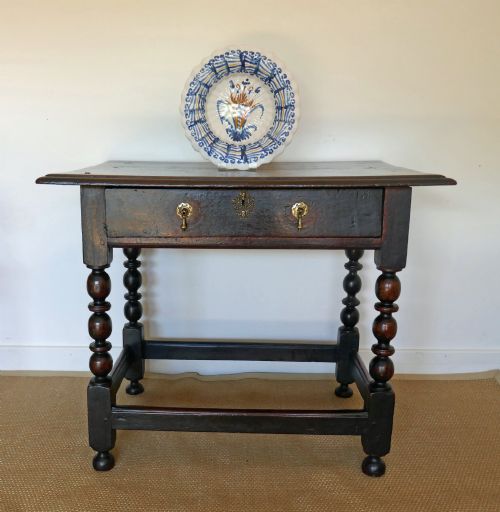
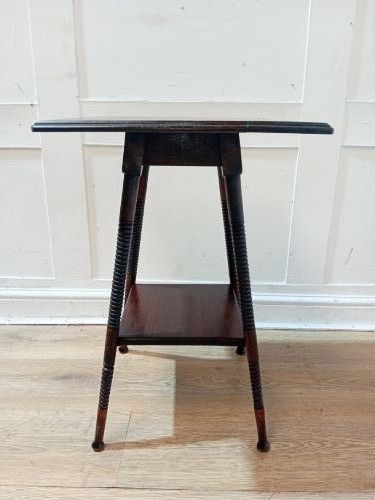
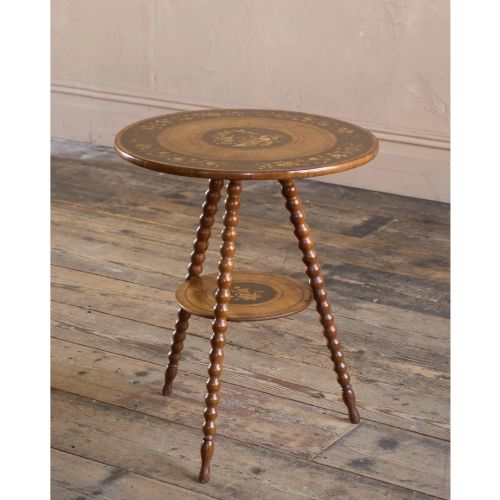
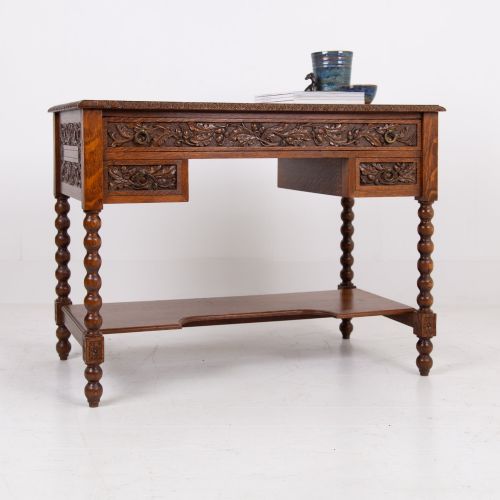
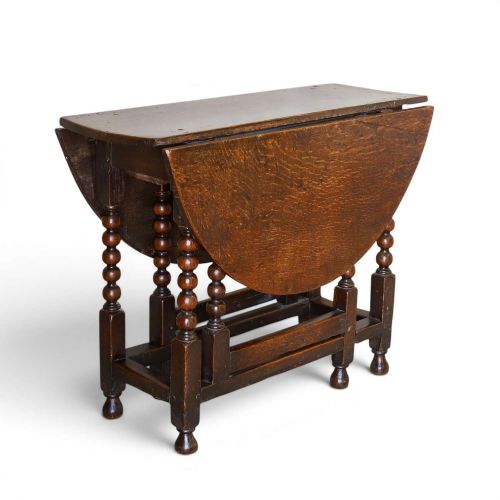
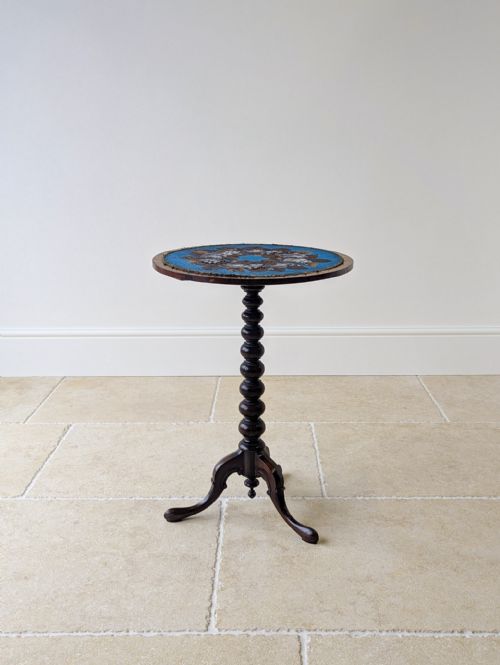
When you examine a bobbin turn table, you encounter compact furniture forms primarily built as side tables, occasional tables, and gateleg dining tables. These pieces span centuries of production, appearing frequently in 17th-century oak examples as well as Victorian and Edwardian revivals.
The defining characteristic across these forms is the spool or bobbin turning along the upright supports and leg structures. You are most likely to meet oak and walnut versions set on slender turned uprights, sometimes fitted with castors or single drawers.
How they were made
Joiners and cabinetmakers utilised lathe turning to shape solid timber timbers like oak, beech, walnut, and yew wood into uniform spool profiles. Sections of wood were mounted on lathes and hand-chiselled to create the rhythmic, repetitive ball-and-reel shapes that define the legs.
Frames relied on traditional pegged mortise and tenon joints to secure the turned underframes to table tops and stretchers. Secondary materials like brass castors and velvet occasionally appear on later Victorian iterations.
Bobbin Turn Table Retail Price Guide 2026
Typical asking prices for bobbin turn table among the pieces listed under this phrase on Sellingantiques today, from the lower quarter to the upper quarter. They describe what is for sale here now, not the wider market.
Periods represented stretch from the 17th century through the Victorian era and into early 20th-century Arts and Crafts movements.
What varies in quality
The crispness of the lathe work dictates the visual success of the turning, with sharper spool profiles showing superior craftsmanship over softer or overly sanded examples. Timber selection also separates standard utility pieces from finer items built using richly grained oak, walnut, or exotic hardwoods.
Structural integrity depends upon the tightness of the joinery within the complex turned underframe, where movement over time can loosen the numerous small joints connecting the bobbins and stretchers.
William Birch
The Bobbin Turn Table Glossary
- Bobbin turning
- A form of woodturning on a lathe that creates a series of rounded spool or ball shapes resembling thread bobbins along a length of timber. This technique appears heavily on 17th-century furniture and later revival pieces.
- Gateleg table
- A drop-leaf table where the leaves are supported by hinged legs that swing out like a gate. These tables often incorporate turned underframes.
- Side table
- A small functional table designed to stand against a wall or beside seating. They frequently feature single drawers and compact rectangular tops.
- Occasional table
- A light, movable small table intended for multipurpose use around a room. They emerge across Victorian and Edwardian manufacturing periods.
- Underframe
- The lower structural framework of legs and stretchers supporting a table top. On these pieces, the underframe carries the primary decorative turning.
Bobbin Turn Table: Frequently Asked Questions
What is a bobbin turn table?
A bobbin turn table is a piece of furniture featuring legs and stretchers shaped on a lathe to resemble a string of spool-like beads or bobbins. These tables range from 17th-century gateleg designs to Victorian and Edwardian side tables.
They provide practical surfaces while introducing strong geometric texture through their characteristic turned wooden supports.
How old are these tables?
The pieces span a wide chronological range, originating from authentic 17th-century craftsmanship through to later Victorian, Edwardian, and 1900s revival periods. Makers across different centuries repeatedly returned to this distinct turning style.
Examining the construction methods, timber ageing, and joinery helps distinguish original 17th-century examples from 19th-century revivals.
Where were they used?
These tables served primarily as practical domestic furniture in parlours, hallways, and living spaces for holding objects or writing. Smaller occasional and side variants easily moved around rooms as needed.
Gateleg versions provided expandable surfaces for dining when the drop leaves were raised and supported by the swinging turned legs.
How do I care for a bobbin turn table?
Maintenance involves keeping the timber nourished with appropriate wax polishes and avoiding direct exposure to extreme heat or sunlight. The multiple curved surfaces of the turned legs benefit from gentle dusting with a soft brush.
Checking the stability of the lower stretchers periodically ensures the numerous joints remain secure under everyday use.