




Bobbin Spindle Back Chair
A bobbin spindle back chair brings turned wooden profiles and vernacular charm to any room, offering both sturdy seating and distinct historic character.
Bobbin Spindle Back Chair
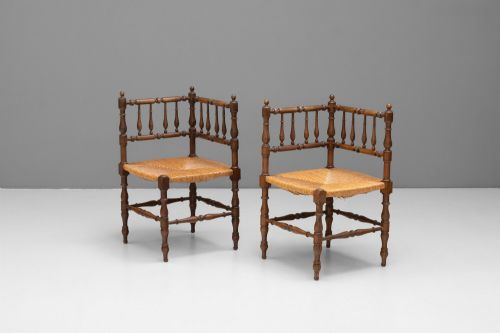
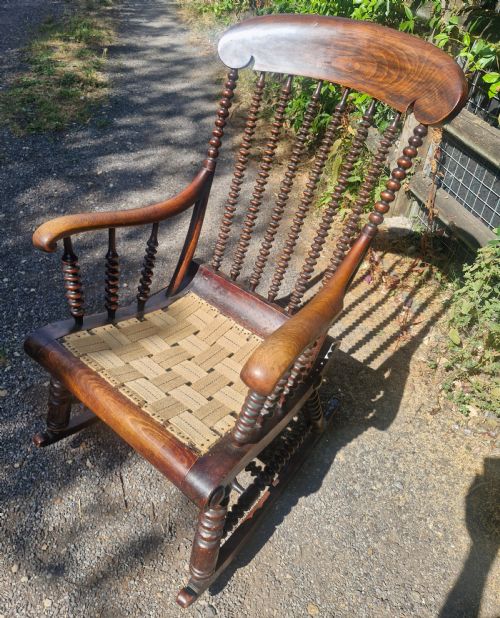
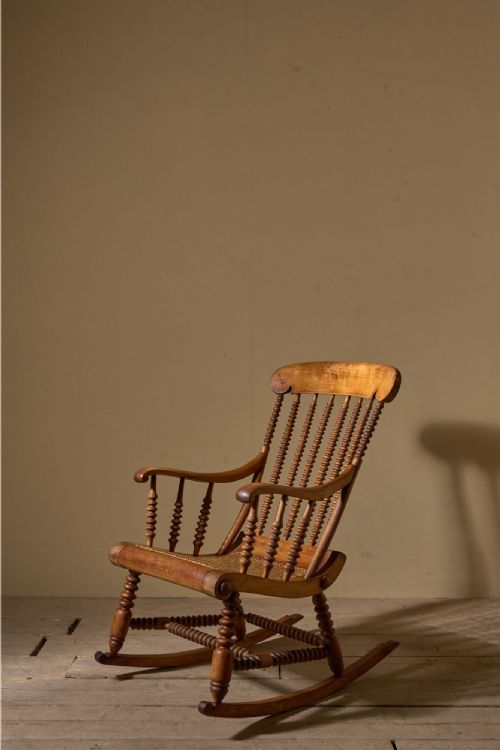
When searching for a bobbin spindle back chair, you are looking at seating defined by distinctive turned woodwork that resembles a series of spools or bobbins linked together. The examples you are most likely to meet on this page span the nineteenth century, including vernacular rocking chairs, country armchairs, and dining sets.
These pieces draw on long-standing traditions of rural joinery and vernacular design across English, Swedish, and Victorian country styles. Makers utilised native timbers to construct robust frames suited for everyday use in domestic interiors.
The forms vary from simple side and corner chairs to substantial rocking chairs and throne armchairs. Each piece relies on repetitive turned elements to create rhythm and visual interest along the backrests and stretchers.
How they were made
Makers fashioned these chairs from domestic hardwoods such as oak and elm, selecting timbers that could withstand the demanding turning process. Lathes shaped the individual cylindrical segments into characteristic bobbin profiles before assembly.
Joints were typically secured using traditional pegged or mortise and tenon methods to ensure the framework remained rigid under pressure. Seats were often formed from solid timber boards or woven from natural materials like rush to provide a practical surface.
Bobbin Spindle Back Chair Retail Price Guide 2026
Typical asking prices for bobbin spindle back chair among the pieces listed under this phrase on Sellingantiques today, from the lower quarter to the upper quarter. They describe what is for sale here now, not the wider market.
What varies in quality
The distinction between ordinary and exceptional pieces lies in the precision and depth of the lathe work. Crisp, well-defined turning along every spindle demonstrates the skill of the original maker.
Timber selection and structural integrity also separate fine examples from simpler utilitarian versions. Chairs retaining their original surface finishes and tight, uncompromised joinery command greater appreciation among collectors.
Liberty & Co
The Bobbin Spindle Back Chair Glossary
- Bobbin turning
- A type of woodturning that creates a series of rounded, spool-like shapes along the length of a spindle. This decorative technique defines the aesthetic of the entire chair frame.
- Rush seating
- A traditional method of weaving dried marsh grasses tightly across a wooden seat frame. It provides a durable and slightly yielding surface for daily sitting.
- Elm
- A tough, interlocking timber frequently used by country joiners for seat boards and structural components. Its natural resistance to splitting made it ideal for vernacular furniture.
- Turners chair
- A heavy, three-legged or four-legged armchair constructed entirely from turned wooden members. These pieces date back centuries and heavily influence later nineteenth-century bobbin designs.
Bobbin Spindle Back Chair: Frequently Asked Questions
What is a bobbin spindle back chair?
A bobbin spindle back chair is a piece of wooden seating distinguished by turned framework resembling stacked spools or bobbins. These chairs draw on nineteenth-century country and folk traditions.
They appear in various formats, including rocking chairs, armchairs, and dining sets, utilising woods like oak and elm.
How do I date a bobbin chair?
Dating relies on examining the timber species, construction methods, and overall stylistic context of the piece. Nineteenth-century examples often display hand-turned components and traditional joinery.
Comparing the turning profile with documented vernacular styles helps clarify the likely period of manufacture.
Where were these chairs used?
These chairs served primarily as functional seating in domestic country houses, farmhouses, and vernacular interiors. Rocking chairs and armchairs provided comfort in parlours and living spaces.
Smaller side and corner chairs suited bedrooms, hallways, and dining rooms.
How do I care for antique turned wood?
Care involves keeping the wooden frame away from direct heat sources and sudden humidity changes to prevent timber movement. Regular dusting with a soft, dry cloth preserves the surface finish.
Applying occasional appropriate wax feeds the wood without building up heavy residue.