






Blue Writing Desk
A blue writing desk brings painted colour and functional form to a room, ranging from small ceramic inkstands to large pedestal tables.
Blue Writing Desk
A blue writing desk search covers a diverse mix of antique writing furniture and desktop accessories, from large pedestal and cylinder desks to smaller side tables and painted pieces. The items you meet most often on this page take the form of porcelain and faience inkstands, alongside painted pine and mahogany desks.
The material record spans the 18th, 19th, and early 20th centuries, taking in periods such as the Georgian, Regency, and Victorian eras. Alongside traditional English mahogany and satinwood furniture, the selection includes continental pieces from Swedish and Dutch workshops.
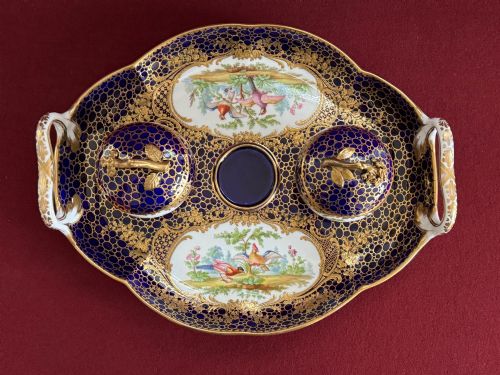
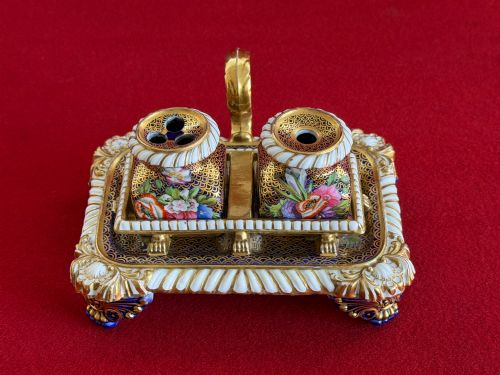
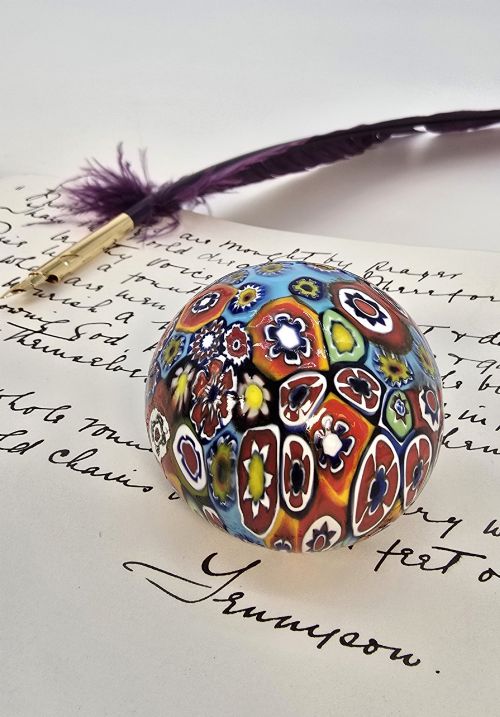
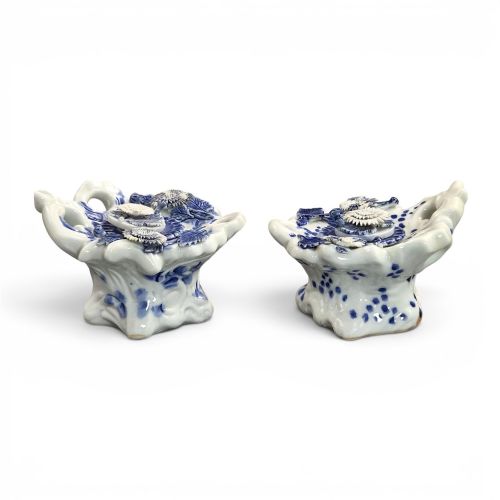
Smaller desk accessories appear frequently among the larger tables and desks, including ceramic inkwells, glass paperweights, and enamel stands. These smaller items bring distinct regional styles, such as Dutch Delft faience and Japanese Hirado porcelain, into the category.
How they were made
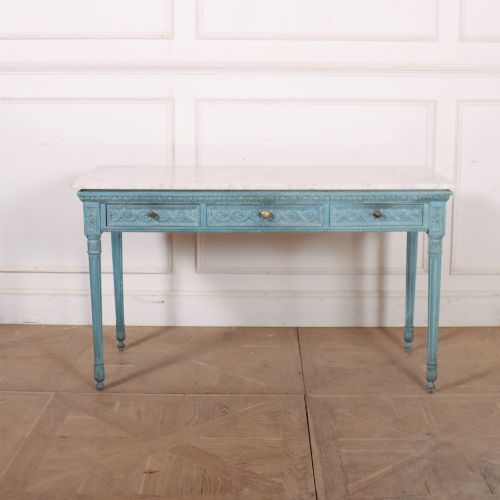
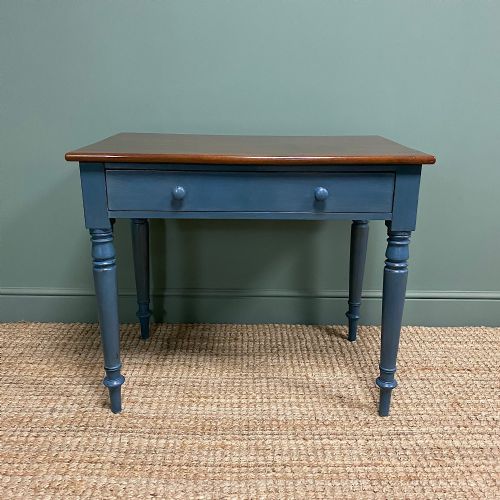
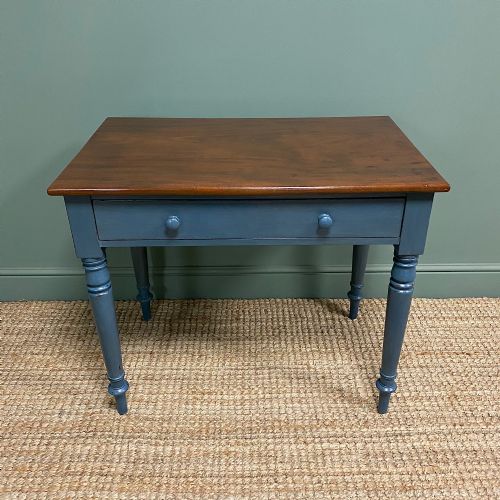
Cabinetmakers utilised sturdy timbers like mahogany, satinwood, burr walnut, and pine for the main structures of desks and tables. Many of these wooden surfaces received coats of paint in traditional Scandinavian and English country styles, often finished with gilt or hand-painted motifs.
Ceramic and porcelain items relied on high-fired clay bodies finished with cobalt blue painting, seen in examples from Minton, Spode, and Delft. Metal elements incorporated brass and champleve enamel, while smaller decorative desk pieces featured moulded glass and applied gold leaf.
Blue Writing Desk Retail Price Guide 2026
Typical asking prices for blue writing desk among the pieces listed under this phrase on Sellingantiques today, from the lower quarter to the upper quarter. They describe what is for sale here now, not the wider market.
Some desk accessories double as sculptural animal companions, holding quills and ink in the form of Staffordshire dogs and dalmatians.
What varies in quality
Quality rests in the crispness of the carving, the precision of the hand-painting on porcelain and faience, and the integrity of the timber used in the carcase. Pieces following specific cabinetmaker designs or exhibiting detailed champleve enamel work demonstrate higher levels of workshop execution.
The survival of original painted surfaces on Swedish and English country tables alters the character and desirability of a piece. Finer items balance robust construction with delicate decorative details like bronze mounts, brass stands, and intricate ceramic glazes.
Minton Porcelain·Spode Porcelain·Rene Lalique·William Trotter·Gillows Design
The Blue Writing Desk Glossary
- Pedestal desk
- A large freestanding desk featuring two pedestals of drawers supporting a central writing surface. These heavy pieces often incorporate leather writing inserts and fine timber veneers.
- Inkstand
- A desktop tray or stand designed to hold inkwells, quill holders, and sanders. They are frequently constructed from ceramic, porcelain, or brass.
- Faience
- Tinned-glazed earthenware produced in various European centres, most notably associated with Dutch Delft production. It provides a smooth white ground for blue painted scenes.
- Champleve
- An enamelling technique where troughs are dug into a metal surface and filled with vitreous enamel paste before firing. This method creates richly coloured decorative patterns on metal desk accessories.
Blue Writing Desk: Frequently Asked Questions
What is a blue writing desk?
A blue writing desk encompasses any antique desk or tabletop writing accessory featuring painted or glazed blue surfaces. The category ranges from large mahogany and satinwood pedestal desks to small ceramic inkwells and painted Swedish tables.
These pieces draw on diverse historical periods, extending from 18th-century English items to Victorian and Edwardian continental examples.
How do I identify a Victorian desk?
Victorian desks often employ heavier timbers like mahogany and burr walnut, displaying distinct revival styles such as Sheraton or cylinder configurations. Cabinetmakers of this era focused on functional pedestal forms and integrated leather writing surfaces.
Decoration during this period frequently included elaborate wood graining, brass hardware, and fine porcelain insets.
What materials were used for inkstands?
Antique inkstands incorporate a wide variety of materials, reflecting the craft traditions of different regions and periods. Common materials include porcelain from factories like Spode and Minton, Dutch Delft faience, and cast brass.
More ornate examples feature champleve enamel work, cut glass, and delicate gold leaf decorations applied alongside ceramic components.
Where were painted pine tables made?
Painted pine tables appear frequently among Swedish and English country furniture from the 19th and early 20th centuries. Swedish workshops utilised light paint colours on side tables and lamp tables to brighten domestic interiors.
These rustic pieces often feature straightforward joinery and traditional hand-painted finishes suited to country houses.