






Blue Wooden Lamp
A blue wooden lamp brings practical illumination and a distinct decorative surface, combining useful form with rich painted texture.
Blue Wooden Lamp
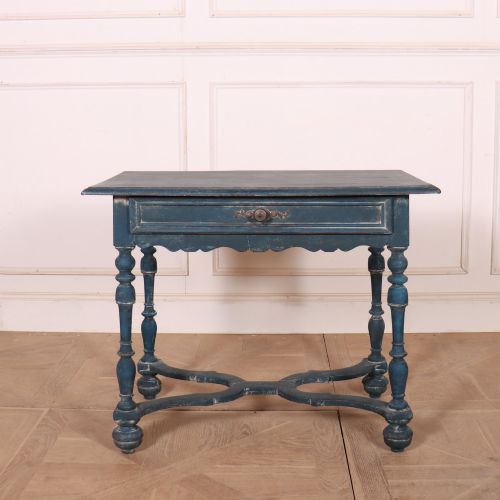
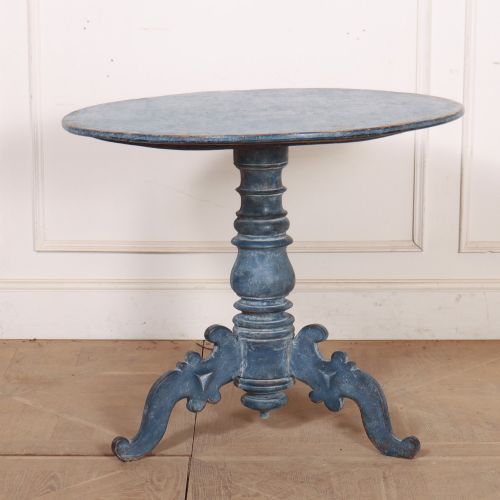
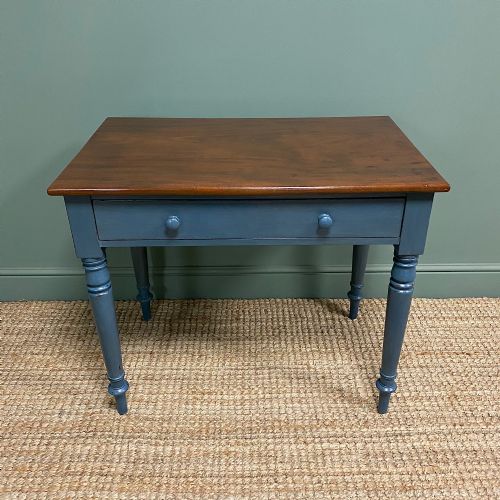
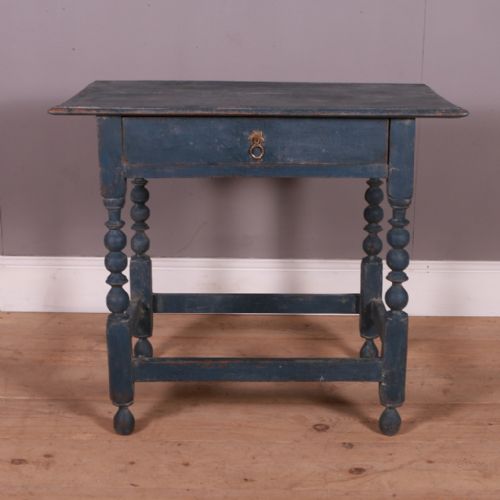
A blue wooden lamp combines functional lighting with historical craft, appearing in forms from standard floor lamps to repurposed side tables fitted for illumination. The search phrase blue wooden lamp encompasses various painted wooden designs originating across different regional traditions.
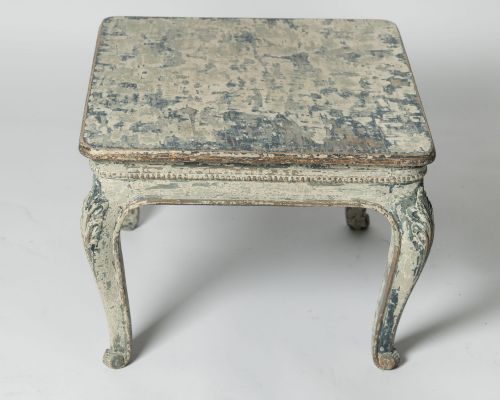
Buyers most frequently encounter painted pine or timber pieces, often reflecting English country, Swedish country, or French provincial aesthetics from the eighteenth and nineteenth centuries. These items range from carved mahogany standard lamps to decorated lamp tables finished in blue pigment.
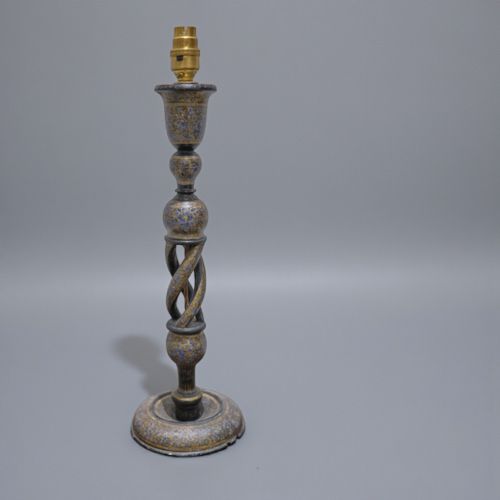
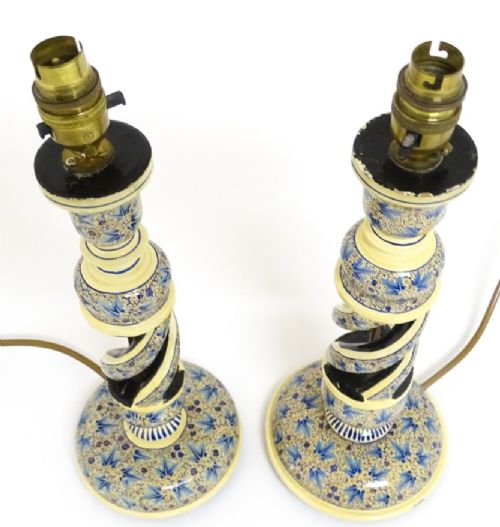
The selection also includes specific regional works such as Kashmiri hand-painted lamps and Black Forest carved linden figures, demonstrating a wide geographical reach within the category. Each piece balances utilitarian function with decorative painted surfaces.
How they were made
Makers utilised solid timbers such as mahogany, pine, and linden, shaping the wood through turning, carving, and joinery techniques suited to each period. Structural elements frequently incorporate brass fittings to secure electrical components or support structural joints.
Surfaces were prepared with primers before receiving layers of paint, lacquer, or hand-painted details. Artisans applied pigments directly to the timber, sometimes distressing the finish to achieve an aged appearance characteristic of country house styles.
Blue Wooden Lamp Retail Price Guide 2026
Typical asking prices for blue wooden lamp among the pieces listed under this phrase on Sellingantiques today, from the lower quarter to the upper quarter. They describe what is for sale here now, not the wider market.
The listings span multiple centuries, incorporating eighteenth-century painted lamp tables alongside early twentieth-century standard lamps and carved Black Forest figures.
What varies in quality
The sophistication of the timber turning and the depth of the hand-painted decoration determine the standing of each piece. Finer examples display precise carving, balanced proportions, and layered pigments that create a rich visual texture.
The integrity of the original wood structure and the preservation of early painted surfaces dictate the historical value of the object. Pieces retaining untouched period finishes command greater interest than those with heavy later interventions.
The Blue Wooden Lamp Glossary
- Standard lamp
- A tall floor lamp designed to stand upright on the floor and provide ambient room illumination. These vertical pieces often feature turned timber shafts and heavy bases for stability.
- Cricket table
- A small, three-legged occasional table originating in English vernacular furniture. The design provides a stable stance on uneven floors.
- Torchere
- A tall ornamental stand or floor lamp designed to hold a light source. Originating in the seventeenth century, these vertical supports often feature decorative carvings.
- Linden
- A pale hardwood traditionally used for detailed carving work. Craftsmen favour this timber for its fine grain and ability to hold crisp sculptural details.
Blue Wooden Lamp: Frequently Asked Questions
How were these lamps used historically?
Many items serve a dual purpose as both functional tables and lighting supports, combining surface space with illumination.
Floor models and standard lamps provided ambient light in parlours and studies, while smaller table versions sat beside seating.
How do I style a blue wooden lamp?
These lamps integrate into traditional country interiors, eclectic spaces, or rooms requiring a focal painted accent.
Pairing the piece with neutral fabrics allows the blue wooden surface and decorative finish to stand out.
How do I identify the period of a lamp?
Dating relies on observing the turning style of the timber, construction joints, and the composition of the painted surface.
Earlier eighteenth-century pieces display vernacular forms, while later nineteenth and twentieth-century examples incorporate distinct regional carving and turning methods.