




Blue Vanity Accessory
A blue vanity accessory brings colour and craftsmanship to the dressing table through painted enamel, opalescent glass, and sterling silver.
Blue Vanity Accessory
A blue vanity accessory encompasses dressing table items designed for personal grooming and display, spanning centuries of decorative arts. When you search for a blue vanity accessory, you encounter items intended to hold scent, powder, pins, or water for washing.
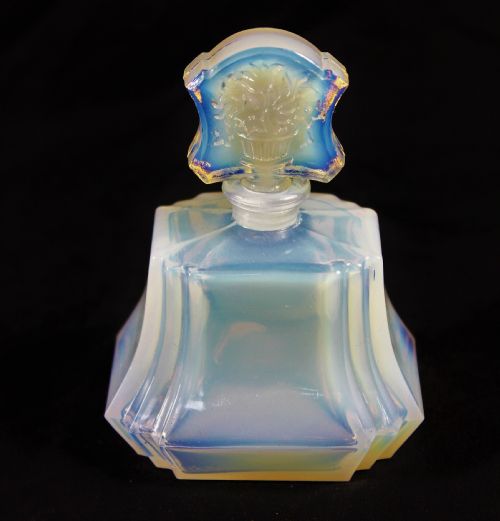
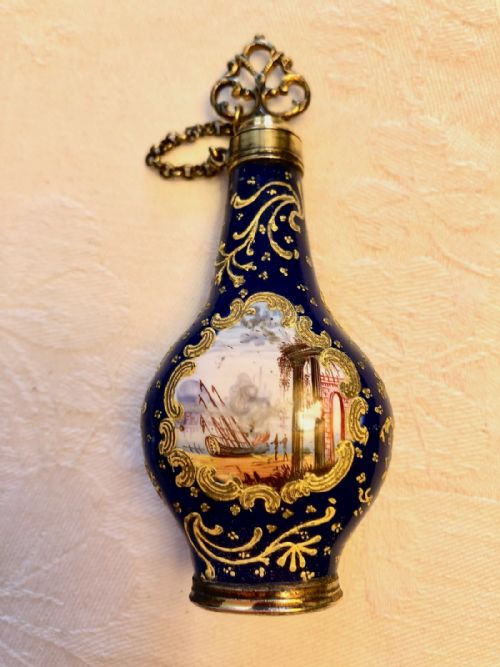
The pieces on this page range from Georgian patch boxes and scent bottles to Victorian bathroom sets and Edwardian hat pin stands. Art Deco examples appear frequently, particularly opalescent glass perfume bottles and guilloche enamel hand mirrors.
Objects originate from various periods including the eighteenth century, the Victorian era, the Edwardian period, and the nineteen-thirties. Each item reflects the domestic habits and dressing table customs of its specific era.
How they were made
Glass is utilised in multiple forms, including pressed glass, cut glass, and opalescent glass moulded into sculptural shapes. Sterling silver mounts and accessories are paired with glass bodies or used independently for hand mirrors and stands.
Blue Vanity Accessory Retail Price Guide 2026
Typical asking prices for blue vanity accessory among the pieces listed under this phrase on Sellingantiques today, from the lower quarter to the upper quarter. They describe what is for sale here now, not the wider market.
Flapper girls of the nineteen-thirties required dedicated porcelain holders just to keep their formidable collection of decorative hatpins from rolling away.
What varies in quality
Quality rests upon the crispness of the execution, from the precision of the guilloche engraving to the depth and clarity of the opalescent glass moulding. Hand-painted miniature scenes on enamel boxes demonstrate the skill of the individual artist.
The integrity of the materials dictates longevity, particularly the condition of fragile enamel surfaces free from chips and the weight and hallmarks of sterling silver fittings. The balance between decorative embellishment and functional design remains consistent in superior examples.
Sabino French Art Deco
The Blue Vanity Accessory Glossary
- Guilloche enamel
- A decorative technique where metal is engraved with precise geometric patterns before transparent enamel is applied over the surface. This method creates a shimmering depth that catches the light on dressing table items.
- Opalescent glass
- Glass containing ingredients that cause it to diffuse light and display a milky blue or fiery glow, often associated with French moulding from the early twentieth century. It adds a luminous quality to perfume bottles and decorative objects.
- Patch box
- A small container used in the eighteenth century to hold cosmetic patches made of silk or velvet, which were applied to the face. These hinged boxes typically feature copper bases with hand-painted enamel lids.
- Hatpin holder
- A vertical ceramic or porcelain vessel designed to store long hatpins upright on a dressing table. These objects often take figurative or cylindrical forms reflecting the fashion accessories of the Edwardian and Art Deco periods.
- Sterling silver
- An alloy consisting of ninety-two point five percent silver and seven point five percent other metals, valued for durability in tableware and vanity items. It provides the structural mounts and frames for mirrors and scent bottles.
Blue Vanity Accessory: Frequently Asked Questions
What is a blue vanity accessory used for?
These items served practical and decorative functions on historical dressing tables, holding perfumes, cosmetics, pins, or water for washing. Owners used them during daily grooming routines in private chambers.
Today, they function as decorative display pieces or small storage containers for modern trinkets and jewellery. Their varied forms reflect the specific grooming habits of past centuries.
How do I date a blue vanity accessory?
Dating relies on stylistic markers, manufacturing techniques, and any accompanying hallmarks stamped onto the silver components. Georgian pieces often display hand-painted enamel work, while nineteen-thirties items frequently show modernist geometric lines.
Materials also offer clues, as opalescent glass and guilloche enamel became particularly prominent during the Art Deco period. Comparing object types like hatpin holders or wash basin sets to period documentation clarifies their origin.
How should I display my collection?
These items look best arranged on dressing tables, mirrored trays, or inside glass-fronted cabinets where light can pass through the opalescent glass and enamel. Grouping objects by colour or period creates a cohesive visual display.
Ensure items with delicate enamel or glass are placed away from direct, harsh sunlight to prevent fading. Stable surfaces protect fragile protruding elements like hatpin stands and perfume stoppers.
Are these items made of real silver?
Many dressing table accessories incorporate sterling silver for mounts, frames, mirror backs, and bottle collars. Hallmarks stamped directly onto the metal indicate the assay office, standard of purity, and year of manufacture.
Other pieces utilise copper bases for enamel work or consist entirely of glass, ceramic, or porcelain without metal components. Inspecting the underside or edges usually reveals metal purity stamps.