





Blue Stone Studs
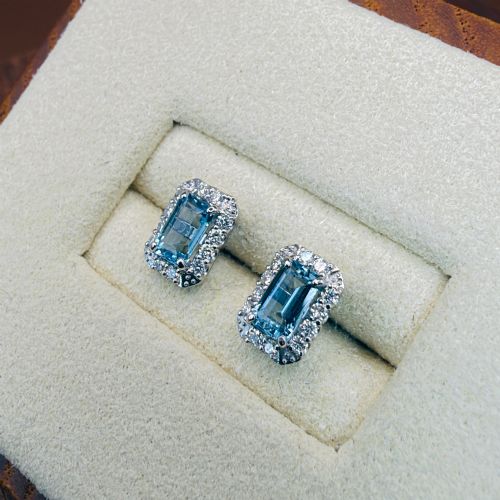
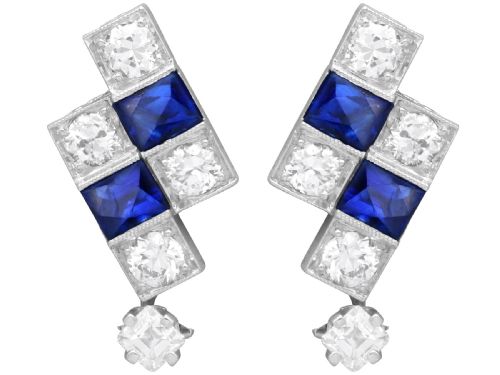
Blue stone studs bring quiet character to the ear, offering cool depths of sapphire, aquamarine, and turquoise set in precious metals.
Blue Stone Studs
The most common versions on this page are mounted in nine-carat gold, often housing lively blue topaz, vibrant turquoise, or deep sapphires. Alongside these, platinum and white gold settings emerge to hold crisp aquamarines and brilliant diamond borders. Each pair combines practical stud fittings with distinct coloured stones, making them straightforward to wear yet visually striking.
How they were made
The construction of these earrings relies on durable precious metals paired with carefully faceted or polished gemstones. Nine-carat gold and platinum form the structural mounts and claw settings that secure each central blue stone. Diamonds frequently accent the main gems in cluster and drop configurations, adding contrasting brilliance.
Techniques range from traditional prong settings that maximise light entry to enclosed bezels that frame sleeping beauty turquoise. The lapidary work displays a variety of cuts, from emerald and pear shapes to square and oval facets, tailored to the optical properties of each specific mineral.
Blue Stone Studs Retail Price Guide 2026
Typical asking prices for blue stone studs among the pieces listed under this phrase on Sellingantiques today, from the lower quarter to the upper quarter. They describe what is for sale here now, not the wider market.
Listings span several decades, featuring pieces from the 1920s, 1950s, and 1960s created during the Art Deco, Retro, and Mid-Century Modern movements.
What varies in quality
Quality in these pieces rests primarily on the depth and saturation of the central blue stone and the precision of its cut. Stones with vibrant, even colour distribution and clean facets elevate a pair above those with dull or uneven hues. The presence of well-matched secondary stones, such as supporting diamonds, also distinguishes finer examples.
The integrity of the metalwork further defines the tier of the piece, visible in the neatness of the claw settings and the finish of the gold or platinum. Substantial metal weight and secure, well-balanced post or drop mechanisms ensure the earrings hang properly and endure regular wear.
The Blue Stone Studs Glossary
- Aquamarine
- A transparent light blue to greenish-blue beryl variety. It is frequently fashioned into emerald or pear cuts to highlight its crystalline clarity.
- Cluster
- An arrangement of smaller gemstones surrounding a larger central stone. This technique magnifies visual impact and light reflection.
- Drop earrings
- Designs where a decorative element hangs below the main lobe fitting. They create gentle movement when worn.
- Platinum
- A dense, durable, and naturally white precious metal. It provides secure, slender settings for diamonds and coloured gems.
- Turquoise
- An opaque mineral valued for its robin's egg blue or greenish-blue tones. It is commonly cut smoothly en cabochon rather than faceted.
Blue Stone Studs: Frequently Asked Questions
How do I clean my blue stone studs?
Use warm soapy water and a soft brush to gently remove debris from beneath the settings. Avoid harsh chemicals that can harm softer minerals like turquoise.
Dry them thoroughly with a lint-free cloth before storing them in a lined box to prevent scratching.
Can I wear these earrings every day?
Most pairs set in nine-carat gold or platinum suit regular wear if handled with reasonable care. Take them out before sleeping or swimming to protect delicate drops and secure clasps.
Inspect the claw settings periodically to ensure the stones remain firmly in place.
What does a cluster design involve?
A cluster groups several smaller stones tightly around a dominant centre gem. This style maximises sparkle and makes the overall face of the earring appear larger.
Art Deco and vintage pieces frequently utilise this method to create bold geometric silhouettes.
How do I date a pair of stud earrings?
Examine the metal purity hallmarks, the cut of the stones, and the overall aesthetic style. Art Deco pieces display geometric precision from the 1920s, while 1950s and 1960s pairs often show fluid mid-century lines.
Comparing the mounting techniques to established period jewellery styles clarifies the era of manufacture.