


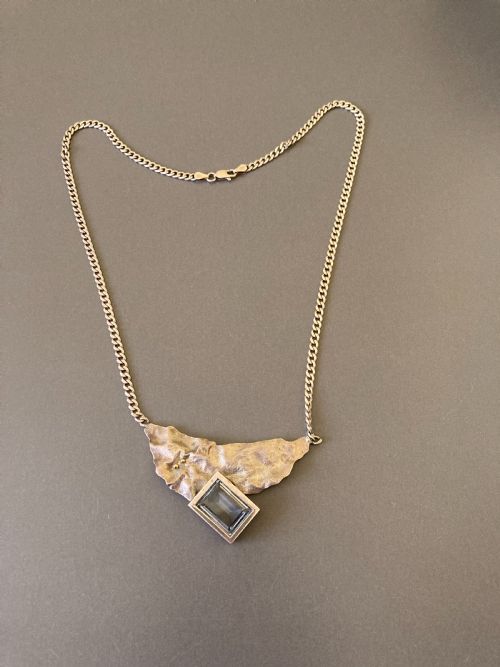


Blue Stone Chain
A blue stone chain brings together precious metals and cool-toned gems like aquamarine and blue topaz into striking wearable forms.
Blue Stone Chain
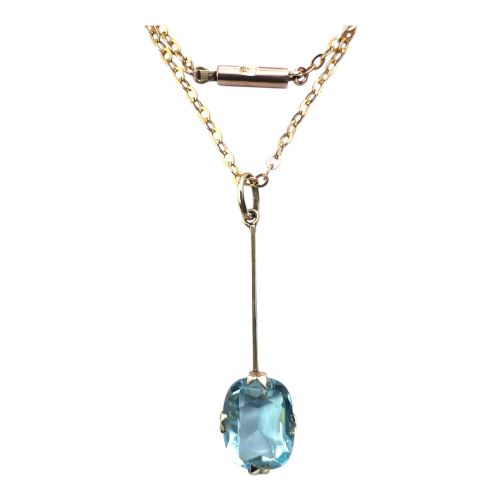
A blue stone chain encompasses a range of necklaces, pendants, and bracelets set with cool-toned gems in various gold and silver mountings. When searching for a blue stone chain, buyers encounter pieces spanning from the Victorian and Edwardian eras through to the mid-twentieth century.
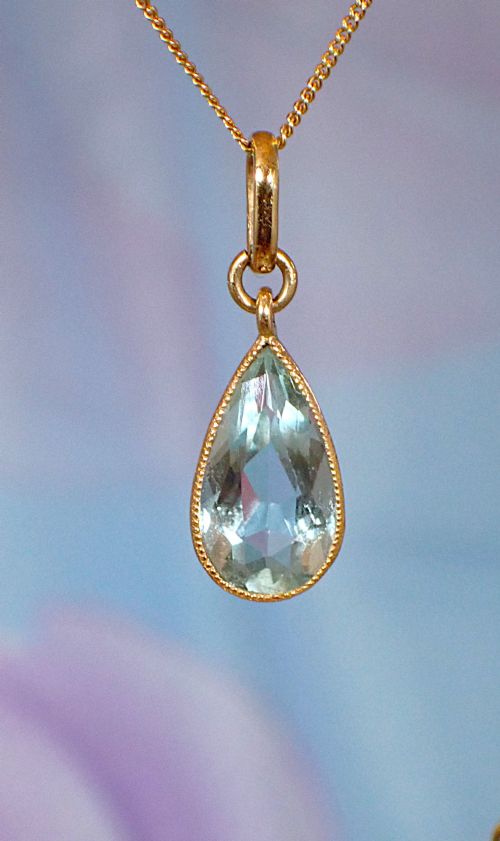
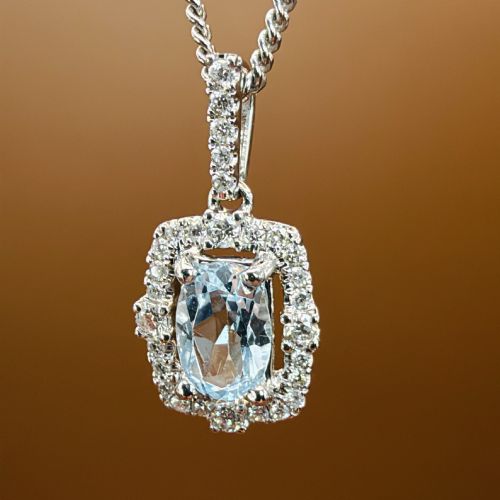
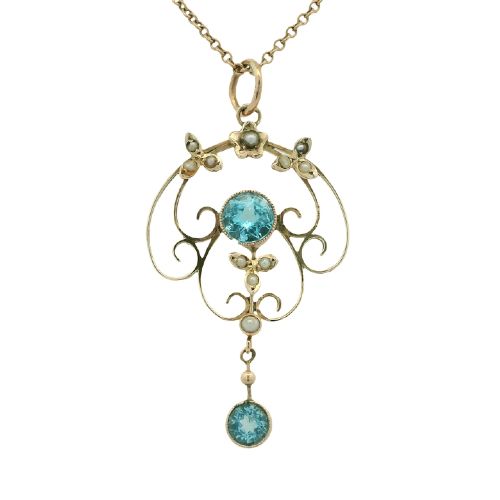
The selections most commonly met on this page include Edwardian and Victorian gold pendants featuring aquamarine or blue topaz, often paired with delicate seed pearls or diamonds. Mid-century examples also appear frequently, showcasing white gold settings and clean modernist lines.
Materials and construction
The pieces rely on nine-carat and eighteen-carat gold, alongside sterling silver, to form secure mountings for the stones. Yellow gold predominates in the earlier Victorian and Edwardian items, while white gold gains prominence in the nineteen-fifties and sixties.
Gemstones such as aquamarine, blue topaz, and sapphire are shaped into oval or drop cuts, occasionally accented by small diamonds or split pearls. These stones are secured in claw or cluster settings that allow light to pass through the coloured crystals.
Blue Stone Chain Retail Price Guide 2026
Typical asking prices for blue stone chain among the pieces listed under this phrase on Sellingantiques today, from the lower quarter to the upper quarter. They describe what is for sale here now, not the wider market.
Several items on this page quietly bridge the gap between royal blue sentimentality and nineteen-sixties space-age optimism.
Determining quality
Quality rests on the depth of colour and clarity within the stones, alongside the precision of the metalwork in the chain links and settings. Finer examples display well-matched gems with strong saturation and minimal inclusions.
The integrity of the construction also distinguishes the work, with sturdier links and finely balanced pendant drops marking out superior pieces from simpler utilitarian items.
The Blue Stone Chain Glossary
- Blue Topaz
- A transparent silicate mineral treated or selected for its vibrant blue hue, set within gold mountings across various twentieth-century pieces. It offers a bright, durable focal point for necklaces.
- Cluster Pendant
- A central gemstone surrounded by a border of smaller stones, typically diamonds or pearls. This arrangement maximises light reflection around the primary blue gem.
- Seed Pearl
- A very small, naturally occurring or cultured pearl often incorporated into Edwardian and Victorian jewellery. They are threaded or set in delicate patterns alongside blue stones.
Blue Stone Chain: Frequently Asked Questions
What periods do these chains come from?
The pieces span from the Victorian and Edwardian eras into the nineteen-forties, fifties, and sixties. Each period brings distinct metal colours and gemstone cuts to the jewellery.
Victorian and Edwardian items often feature yellow gold and organic pearl accents, whereas mid-century examples lean towards white gold and streamlined clusters.
How do I care for my necklace?
These items require gentle handling to protect softer gems like aquamarine and delicate seed pearls. Store them individually to prevent scratching from harder stones.
Clean them with a soft cloth and mild soapy water, avoiding harsh chemical dips that might damage vulnerable pearls or antique settings.
Are these pieces suitable for daily wear?
Many of these chains and pendants are robust enough for regular use if treated with appropriate care. Solid gold settings and secure link chains hold up well to routine rotation.
Items featuring seed pearls or more delicate openback settings benefit from occasional wear rather than continuous daily exposure.
What metals are used in these items?
The metal selection includes nine-carat yellow and white gold, eighteen-carat white gold, and sterling silver. Gold purity varies across the Victorian, Edwardian, and later twentieth-century pieces.
White gold settings become more common in the nineteen-fifties and sixties, while yellow gold dominates the earlier Victorian and Edwardian specimens.