



Blue Silk Wall Art
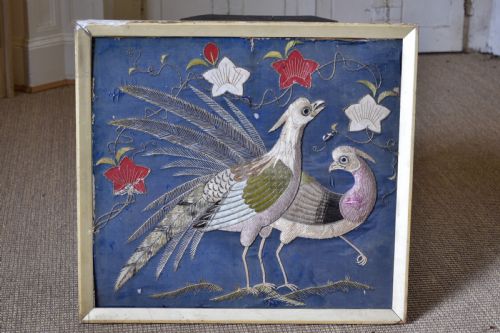
Blue silk wall art brings together rich textiles and framed panels from the sixteenth century to the mid-twentieth century.
Blue Silk Wall Art
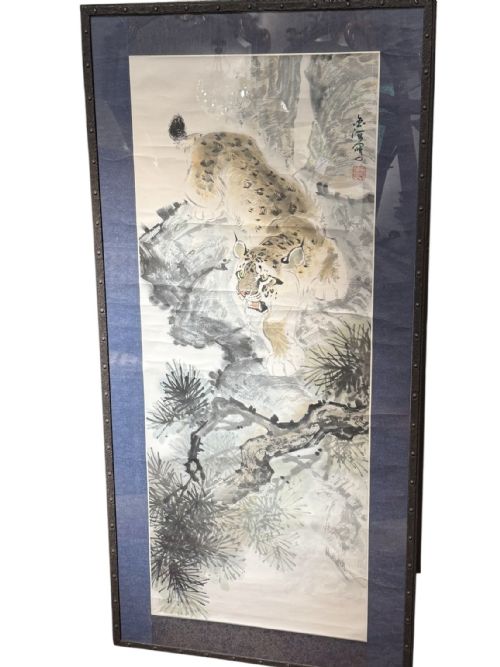
Blue silk wall art encompasses framed embroideries, tapestries, wall hangings, and paintings featuring silk elements across various historical periods.
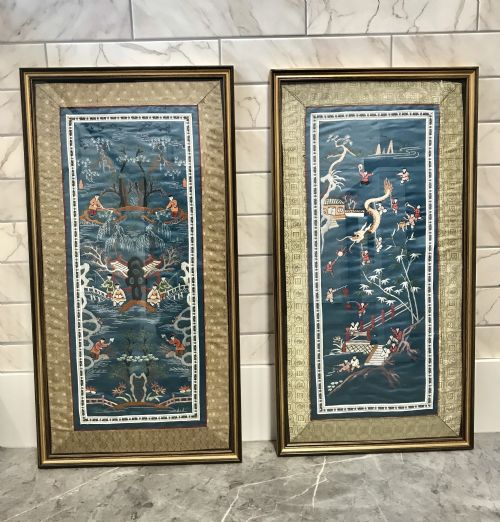
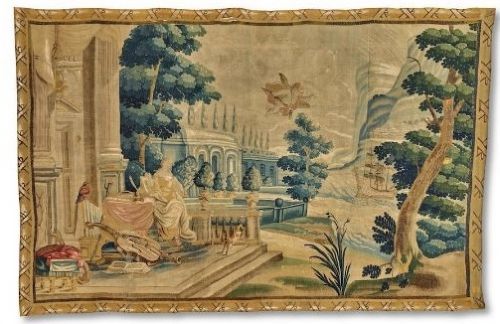
Buyers will encounter seventeenth-century Flemish verdure tapestries, Chinese silk embroidery panels, and nineteenth-century portraits.
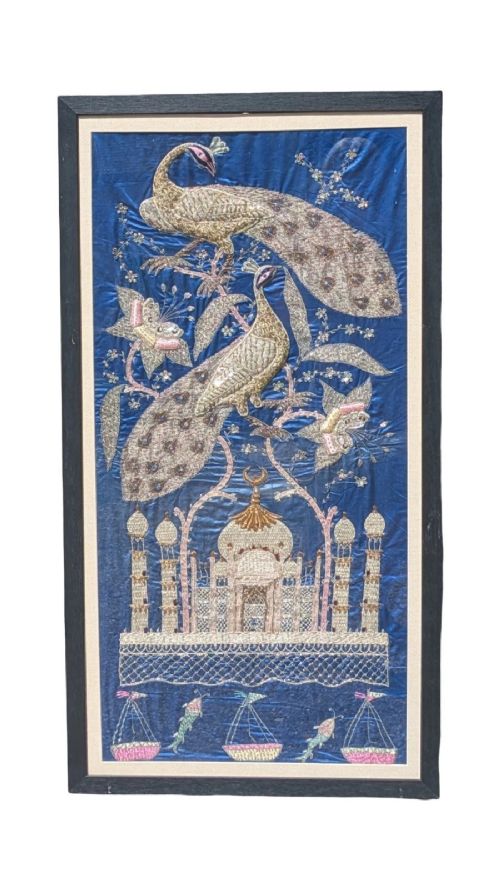
The selection ranges from grand mythological Flemish wall hangings to detailed Chinese scrolls and Indian embroidered textiles.
How they were made
Pieces utilise natural silk threads, wool, metallic threads, and cotton combined with wood framing and glass protection.
Needlework includes hand-sewn embroidery, while tapestries employ complex weaving techniques using wool and silk on traditional looms.
Listings feature periods from the sixteenth century to the nineteen-thirties, spanning European, Asian, and Middle Eastern origins.
What varies in quality
Quality rests on the fineness of the needlework, the preservation of delicate silk fibres, and the complexity of the design.
Earlier European tapestries and intricate Asian embroideries demonstrate superior craftsmanship through detailed composition and material durability.
The Blue Silk Wall Art Glossary
- Verdure tapestry
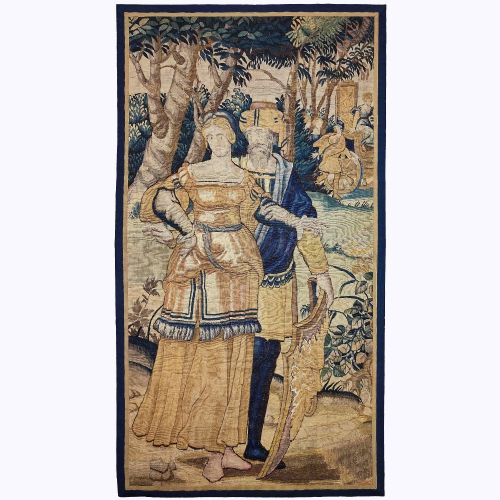
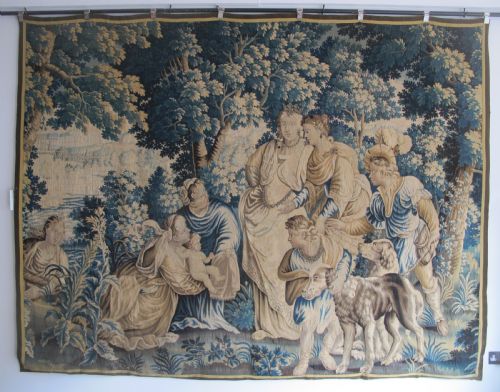
- A woven wall hanging featuring a stylized landscape design filled with foliage, trees, and often animals. These pieces typically date from the seventeenth century and dominate European wall art.
- Ilgich
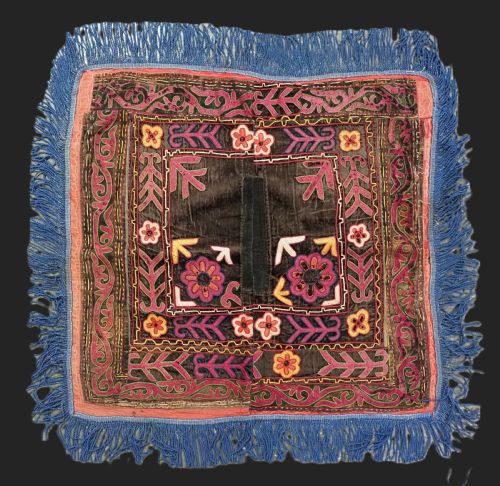
- A traditional Uzbek embroidered dowry hanging made for wall display. These tribal textiles display geometric motifs and vivid needlework.
- Ancestor portrait
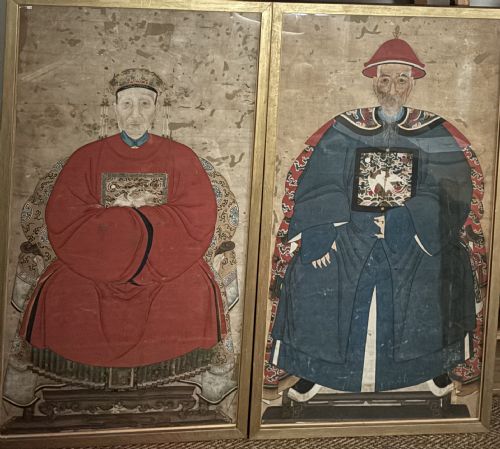
- A formal painting commissioned to honour family lineage, common in Chinese traditions. They capture subjects in detailed attire, frequently on silk or paper.
- Aubusson tapestry
- A woven textile produced in the French town of Aubusson, known for pastoral and mythological scenes. These works utilise fine wool and silk yarns.
Blue Silk Wall Art: Frequently Asked Questions
How do I hang heavy tapestries?
Heavy tapestries require proper weight distribution using a concealed wooden batten or heavy-duty brass rod.
Attaching the textile securely protects the structure from stretching along the upper edge.
Are these pieces protected behind glass?
Many framed textiles and miniature rugs feature glass protection to shield fragile silk threads from dust and atmospheric damage.
Larger tapestries and wall hangings generally remain open to the air.
What periods do these artworks cover?
The selection spans from the sixteenth century through to the early twentieth century.
European tapestries often date to the sixteen-hundreds, while Asian embroideries and portraits largely represent the nineteenth and early twentieth centuries.
How do I clean antique silk wall art?
Antique silk requires specialist conservation rather than domestic cleaning methods.
Professional textile conservators address dust and degradation without damaging fragile threads or metallic accents.