



Blue Porcelain Lamp Bases
Blue porcelain lamp bases combine centuries of ceramic artistry with practical illumination, offering collectors striking colour and historic character for modern interiors.
Blue Porcelain Lamp Bases
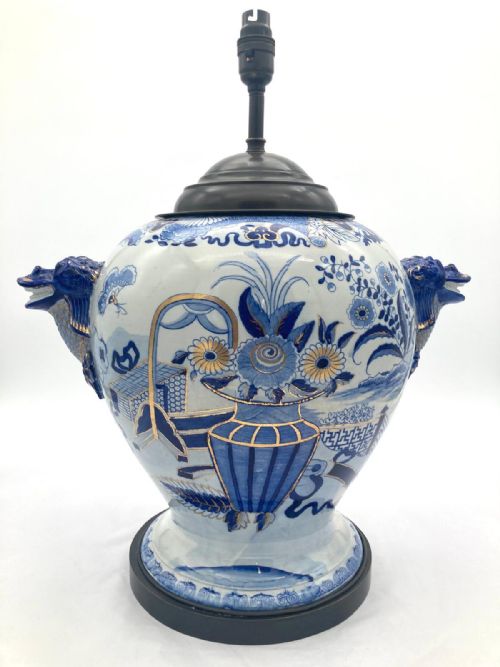
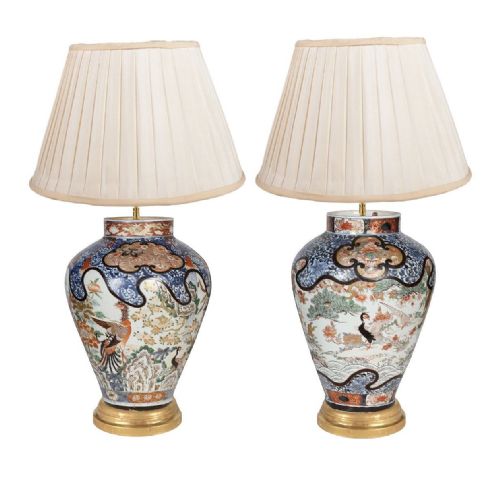
Blue porcelain lamp bases are typically historic vessels, jars, and vases that have been thoughtfully converted into table lamps over time. When searching for blue porcelain lamp bases, buyers encounter pieces derived from 17th-century, 18th-century, and 19th-century traditions, spanning Chinese export wares, Japanese Imari, and European delft. These objects bring rich blue and white palettes, celadon glazes, and powder blue finishes directly into domestic spaces.
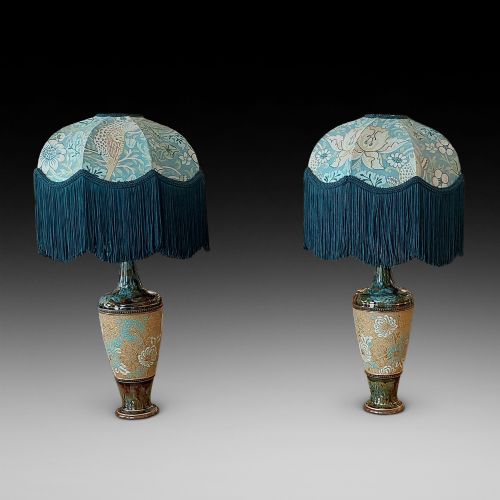
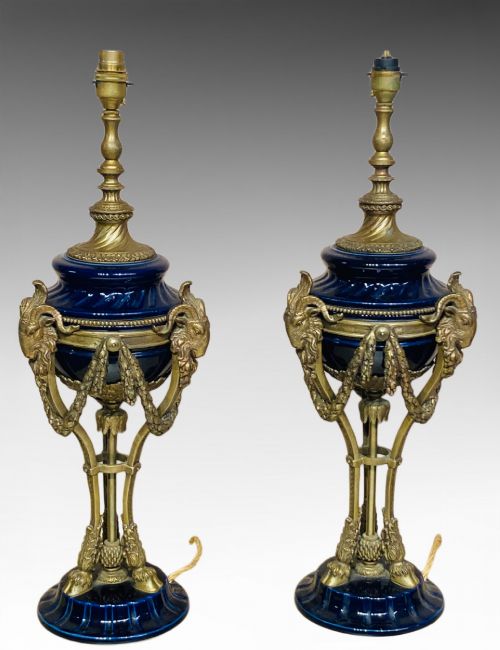
The selections on this page lean heavily towards converted Chinese ginger jars, baluster vases, and Japanese Arita porcelain, often mounted on brass or gilt bronze bases. Alongside these Asian exports, European examples such as French Sevres style pieces and Dutch delft vases appear in various forms. Table lamps dominate the listings, frequently paired with handmade silk or fabric shades.
How they were made
The foundational bodies of these blue porcelain lamp bases rely on traditional ceramic techniques, shaped from clay and fired at high temperatures to achieve durable porcelain. Cobalt blue pigments provide the deep coloration seen in Chinese blue and white wares and Dutch delft, applied beneath or over the glaze before a final firing. Artisans often utilised hand-thrown methods for vases and jars, resulting in subtle variations in form and thickness.
Many of these porcelain bodies were subsequently fitted with metal mounts during later conversions or original production phases. Ormolu, gilt bronze, and brass provide structural support and decorative collars around the base and neck, anchoring the electrical components or older burner fittings. Silk and fabric shades complete the construction, often custom-made to suit the scale of the ceramic vessel.
Materials documented across these table lamps include glazed ceramic, silk, fabric, brass, wood, and gilt bronze.
What varies in quality
The artistic execution of the hand-painted cobalt decoration largely dictates the upper tiers of quality. Finer pieces display crisp, deeply saturated brushwork with precise detail, whereas lesser examples show hurried or blurred motifs. The clarity of the porcelain body and the richness of the glaze also separate ordinary specimens from exceptional ones.
The quality of the metal mounts and the integrity of the conversion play a significant role in overall value. Ormolu and gilt bronze mountings cast with sharp, intricate chased details elevate the piece far beyond simple brass collars. Furthermore, the harmonious proportion between the ceramic vase and its newly adapted lamp fittings determines the visual balance of the finished object.
Hicks and Meigh·Sevres
The Blue Porcelain Lamp Bases Glossary
- Ginger jar
- A high-shouldered ceramic vessel originally used for storing spices, frequently converted into a lamp base. These jars often feature classic blue and white prunus blossom designs.
- Imari
- A style of Japanese porcelain featuring a distinct palette of underglaze blue, iron red, and gilt highlights. Originating in Arita, these pieces were widely exported to Europe.
- Ormolu
- Finely chased and gilt bronze mounts used to decorate or support furniture and porcelain objects. This technique adds considerable weight and decorative opulence to lamp bases.
- Celadon
- A term for ceramics denoting both a pale green glaze and the wares created with it. These translucent glazes often complement blue decorated porcelain in mixed collections.
- Baluster vase
- A vase characterised by a swollen, rounded lower body that tapers towards a narrow neck. This classic shape provides a stable and visually appealing profile for table lighting.
Blue Porcelain Lamp Bases: Frequently Asked Questions
How are vases converted into lamps?
Historic vases are converted by drilling a discreet channel for wiring through the base or ceramic body, or by securing electrical fittings through the existing top opening without damaging the main structure. Metal collars and threaded rods then hold the socket and shade carrier securely in place above the vessel.
This careful adaptation allows fragile historic ceramics to serve contemporary lighting needs while remaining reversible in skilled hands. Many conversions incorporate brass or gilt bronze mountings that complement the original aesthetic of the porcelain.
Are these lamps wired for modern use?
The pieces listed on this page have generally been adapted for modern electrical standards, though rewiring older acquisitions to current safety regulations is standard practice. Buyers should inspect the flex and plug to ensure compatibility with local household sockets.
Local electricians can easily update internal wiring or replace vintage lamp holders if required. The primary focus remains on preserving the historic ceramic body while ensuring safe daily operation.
How do I clean blue porcelain lamps?
Dusting the porcelain and fabric shades regularly with a soft, dry cloth prevents grime accumulation. For glazed surfaces, a damp cloth with mild soap can remove stubborn marks, avoiding any unglazed areas where moisture might penetrate.
Harsh chemical cleaners and abrasive scourers must be avoided to protect the historic glaze and hand-painted cobalt decoration. Metal mounts should be treated gently with appropriate non-abrasive polishes, keeping liquids away from electrical components.