


Blue Painted Pottery
Blue painted pottery brings together centuries of earthenware, porcelain and tin-glazed vessels finished in cobalt pigments for the collector's cabinet or table.
Blue Painted Pottery
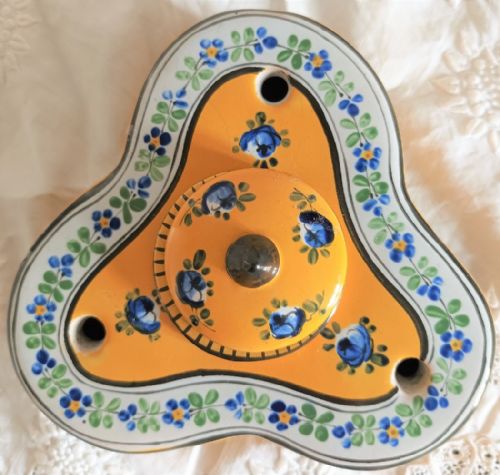
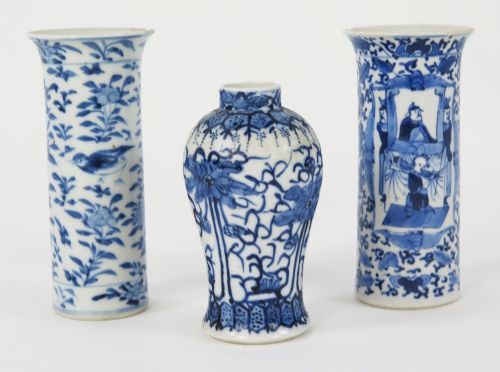
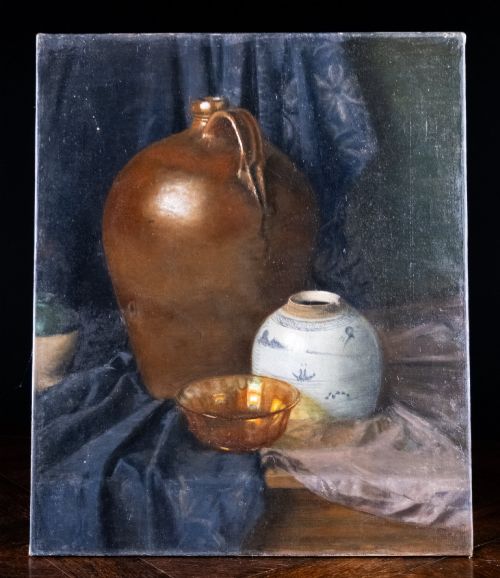
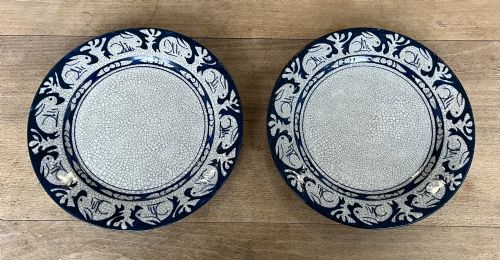
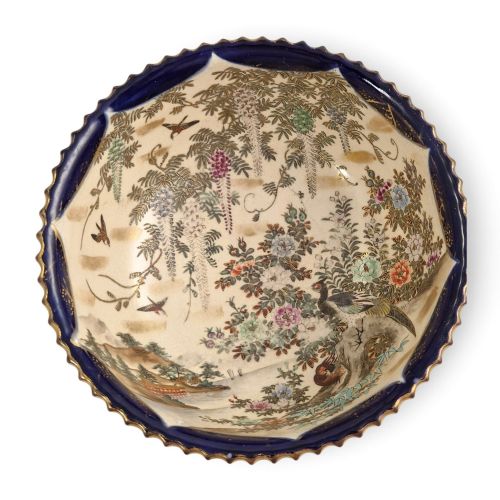
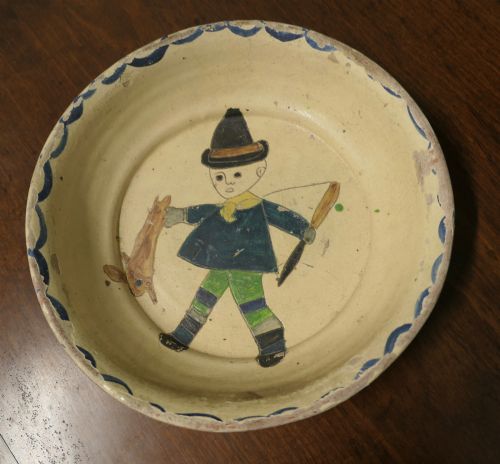
When you search for blue painted pottery, you encounter a varied selection of ceramic vessels decorated in cobalt and other blue pigments across different stylistic traditions. The pieces on this page span several centuries, originating from European workshops, British factories and Asian kilns.
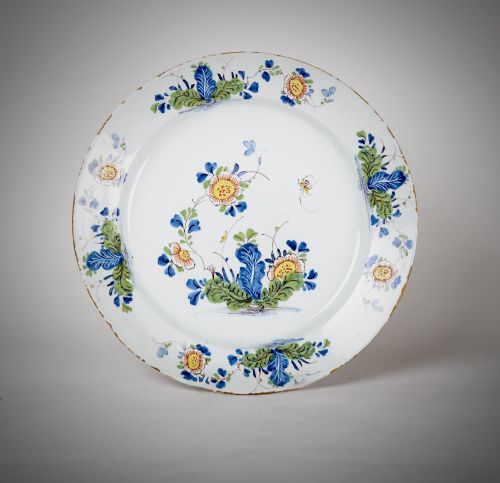
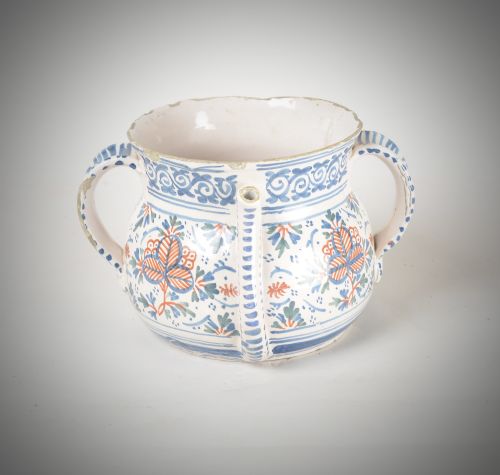
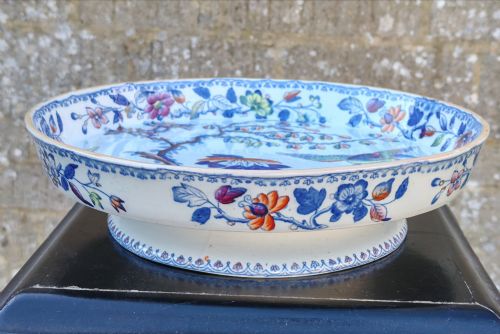
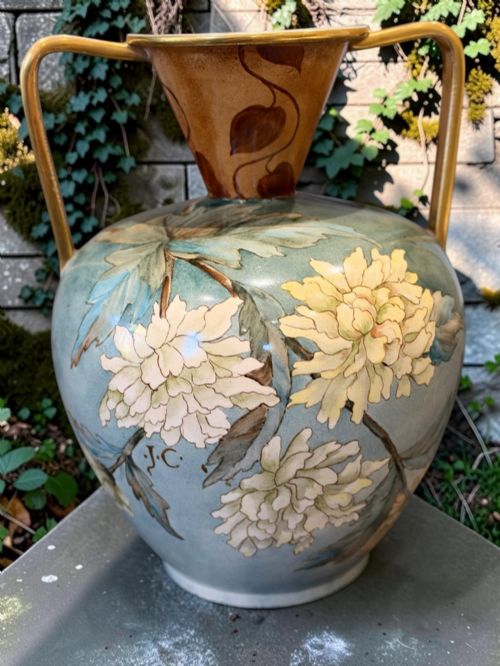
The assortment includes Dutch Delftware chargers, Japanese Imari dishes, Persian Qajar bottle vases and British earthenware jugs. Forms range from large baluster vases and decorative bowls to puzzle jugs, tea canisters and wall-hanging plates.
European examples frequently emulate Chinese porcelain or adopt local baroque and revival designs, while Asian pieces display traditional motifs executed in underglaze blue and polychrome enamels.
How blue painted pottery was made
Potters shaped these objects using earthenware, ceramic, ironstone and porcelain bodies, applying tin glaze or clear glaze over the clay before firing. Cobalt blue pigment was painted directly onto the unfired glaze or biscuit body, sometimes combined with copper-red, gold leaf or manganese.
Vessels were produced using hand-thrown techniques, mould-pressing for octagonal baluster shapes, and intricate hand-painting by skilled decorators in potteries ranging from Desvres and Cantagalli to Delft and Staffordshire.
Blue Painted Pottery Retail Price Guide 2026
Typical asking prices for blue painted pottery among the pieces listed under this phrase on Sellingantiques today, from the lower quarter to the upper quarter. They describe what is for sale here now, not the wider market.
An 18th-century puzzle jug offers a playful drinking challenge with hidden spouts designed to spill secrets.
What varies in quality
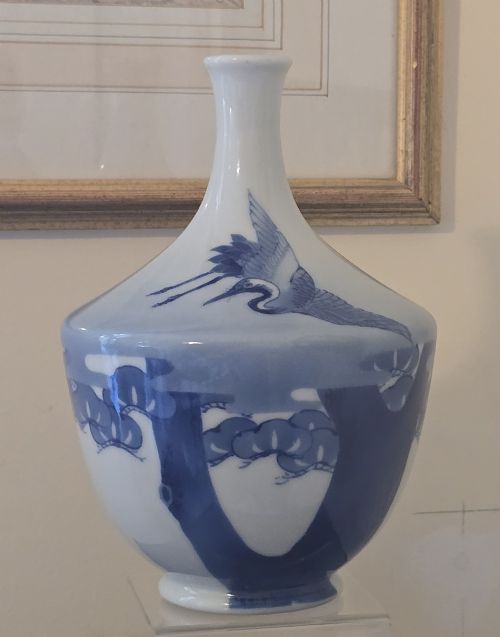
The distinction between ordinary production pieces and finer examples rests upon the precision of the brushwork and the depth of the cobalt pigment. Superior items display crisp, detailed painting of motifs such as scholars, exotic birds or floral patterns without blurring in the glaze.
The sophistication of the ceramic body and the historical integrity of the glaze also define worth, where early tin-glazed earthenware or carefully potted porcelain commands greater attention than late commercial reproductions.
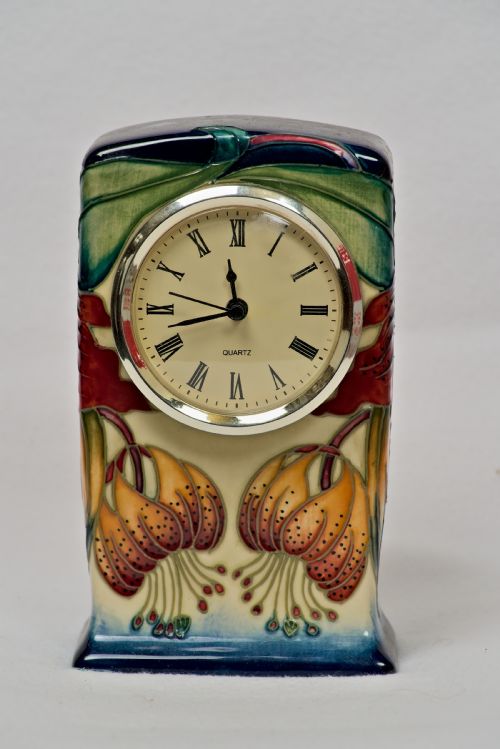
Moorcroft·Royal Crown Derby·George Gordon Morison·Cantagalli·Fourmaintraux-Courquin·Doulton Lambeth
The Blue Painted Pottery Glossary
- Tin-Glazed Earthenware
- Earthenware coated with an opaque white glaze containing tin oxide, providing a smooth surface for painting in blue and other colours. This technique defines traditional Delftware and majolica.
- Imari
- A style of Japanese porcelain featuring deep underglaze blue combined with iron red and gilt highlights. Pieces in this tradition often depict floral and avian subjects.
- Baluster Vase
- A tall vase with a rounded body that tapers toward the neck, resembling a balustrade pillar. These vessels form a significant portion of large decorative ceramics.
- Charger
- A large ornamental plate designed primarily for display on a wall or dresser rather than for dining. They frequently feature elaborate painted scenes across a broad surface.
- Faience
- European tin-glazed pottery, particularly wares produced in France and Italy. It mirrors the aesthetic of imported Chinese porcelain using local earthenware bodies.
Blue Painted Pottery: Frequently Asked Questions
What is blue painted pottery?
Blue painted pottery encompasses ceramic, earthenware and porcelain vessels decorated with cobalt blue designs. The selection includes charger plates, vases, jugs and bowls from European and Asian traditions.
These pieces reflect centuries of ceramic artistry, utilising tin glazes, clear glazes and underglaze painting techniques to create lasting decorative and functional items.
How do I identify Dutch Delft?
Dutch Delft pieces typically feature tin-glazed earthenware bodies decorated in cobalt blue, sometimes incorporating manganese. Look for octagonal baluster forms, chargers and floral motifs inspired by Chinese imports.
Examining the glaze consistency and the handling of the blue pigment helps distinguish authentic 18th-century production from later revival pieces.
Where were Gaudy Welsh pieces made?
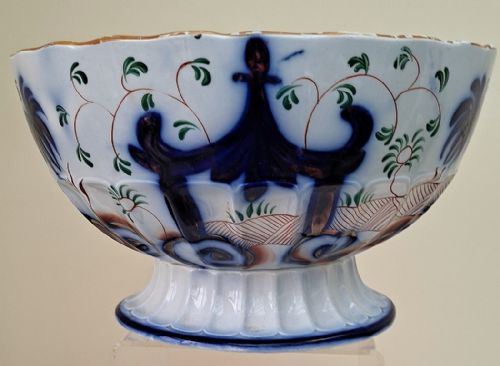
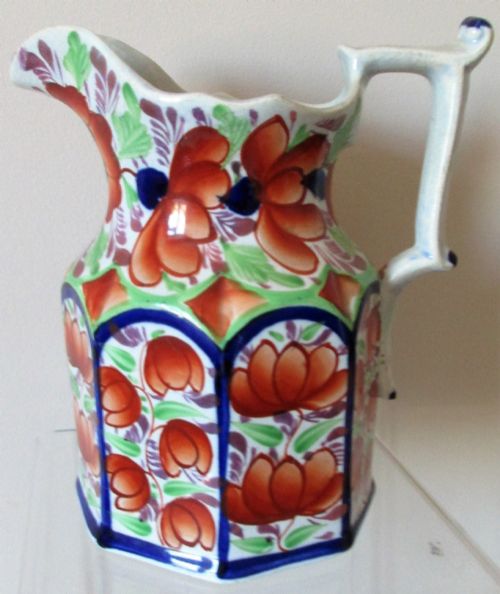
Gaudy Welsh pottery was manufactured in British potteries during the 19th century, featuring distinctive patterns like Pagoda, Grape and Bethesda. These earthenware vessels combine cobalt blue with vibrant copper lustre and enamel colours.
They were designed for domestic use as jugs, bowls and tobacco jars, offering a bright aesthetic for household display.
How should I display chargers?
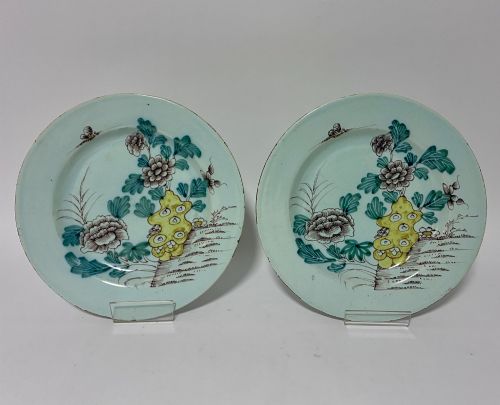
Chargers are large decorative plates traditionally intended for display on walls or sideboards rather than everyday dining. Their wide surfaces showcase intricate blue painted scenes and geometric borders.
Using secure wall mountings or stable plate stands allows you to exhibit these large ceramic discs safely in living spaces.