


Blue Painted
These blue painted antique pieces bring the enduring appeal of cobalt, azure, and indigo pigments into historical furniture, porcelain, and fine art.
Blue Painted
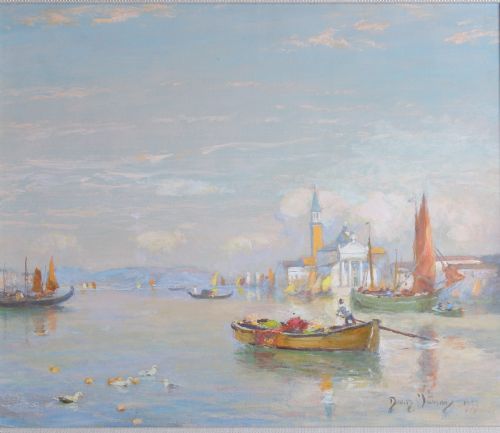
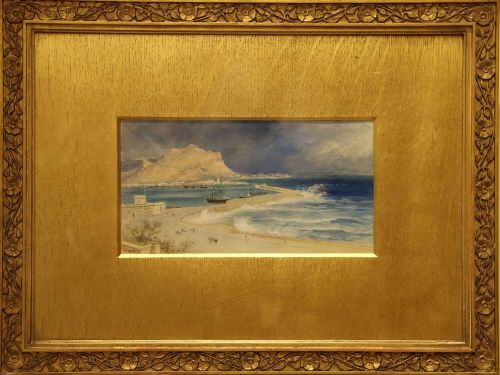
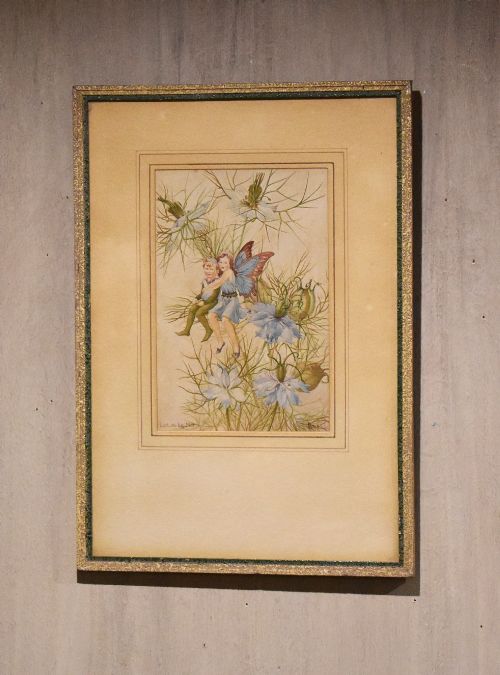
When you search for blue painted antique works, you encounter a diverse selection ranging from fine art oil paintings and watercolours to porcelain vases, plates, and painted beds. The selection spans centuries of craftsmanship, connecting early portraiture and Delft earthenware with later Japanese Imari chargers and Edwardian furnishings.
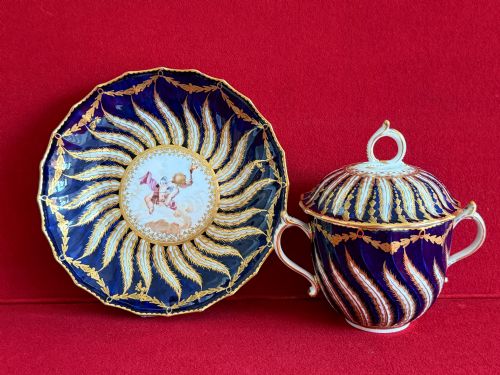
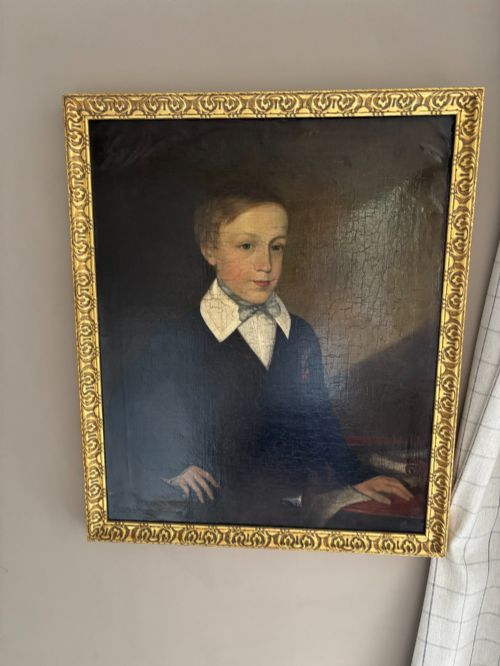
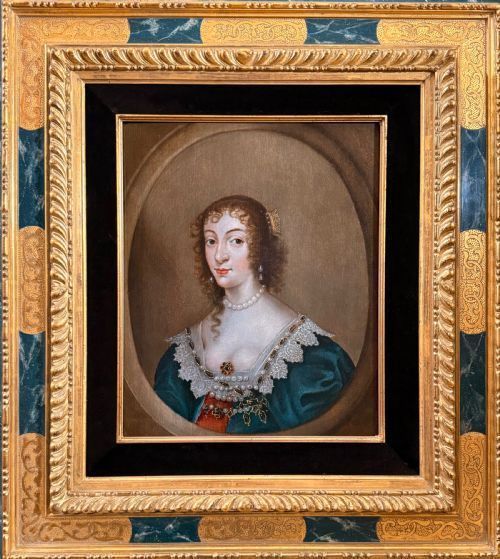
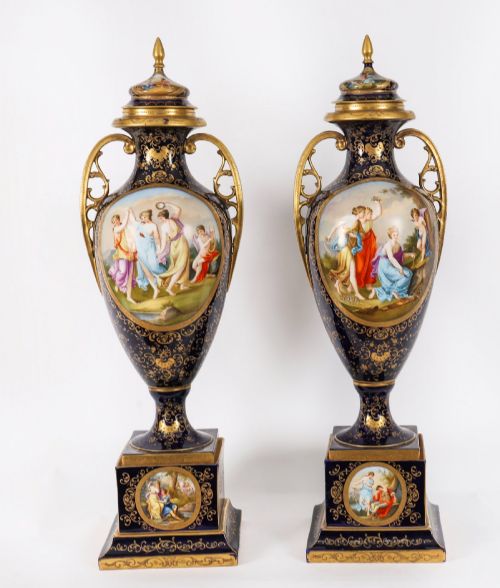
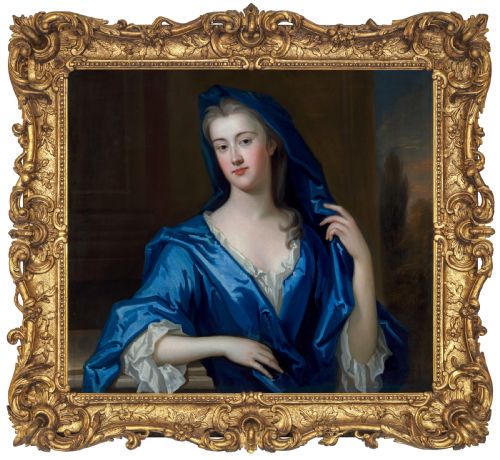
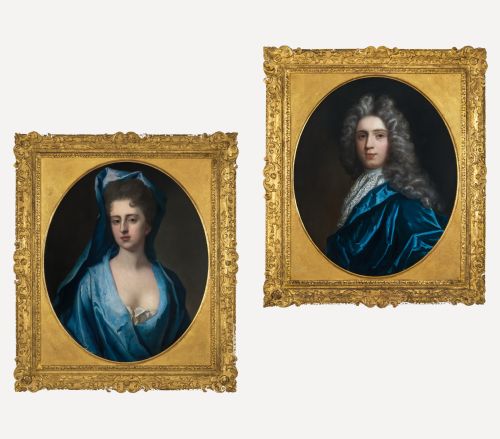
The most common forms on this page include oil portraits featuring sitters draped in blue garments, alongside intricate porcelain tablewares and decorative jars adorned with cobalt motifs. These objects reflect both domestic utility and high artistic expression across Georgian, Victorian, and Edwardian periods.
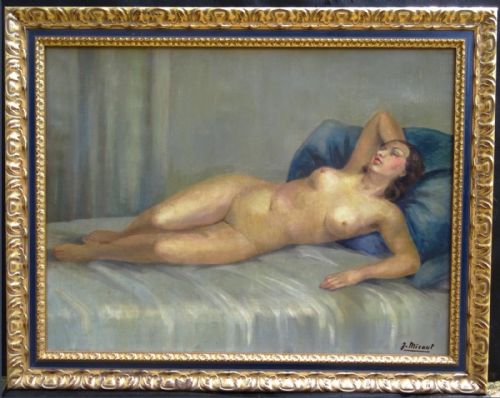
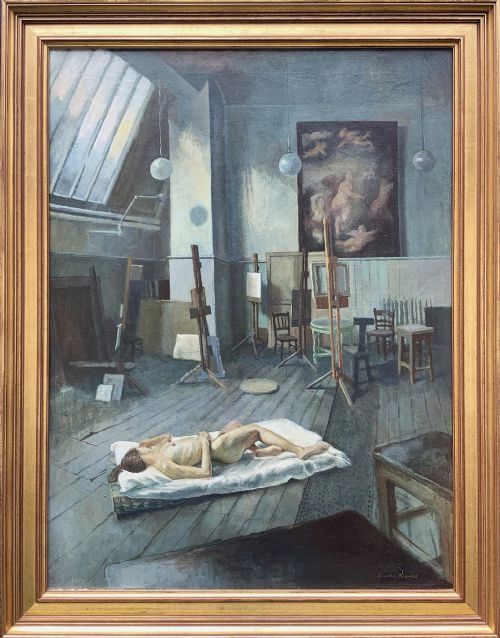
Collectors find that these items draw their character from the application of blue pigment, whether as a subtle glaze on ceramic bodies or as a dominant wash across a canvas. Each piece demonstrates how historical makers utilised different shades of blue to create depth, focus, and decorative harmony.
Materials and methods of production
Makers utilised oil on canvas and watercolour on paper to capture portraits and landscapes, applying layered pigments to achieve rich tones of azure and indigo. Porcelain and ceramic pieces received cobalt underglaze decoration before firing, a technique that permanently fused the blue pigment to the white clay body.
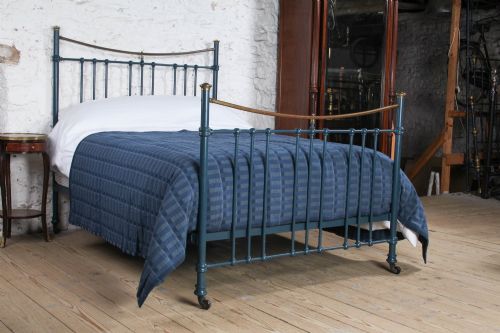
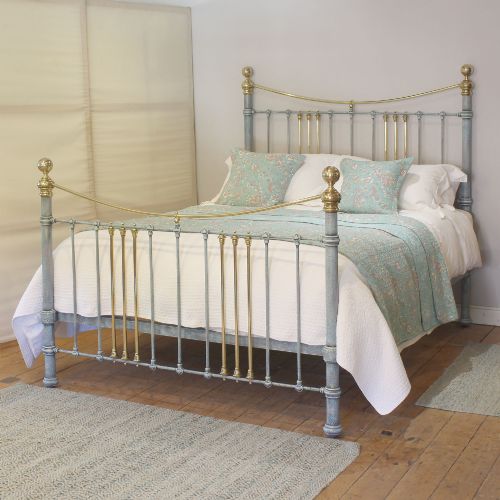
Giltwood, enamel, and gold leaf frequently complemented the blue surfaces, adding metallic contrast to frames, furniture, and decorative vases. Wood pieces often received a verdigris or painted finish, sealing the timber while establishing a distinct coloured exterior.
Listings feature oil paintings, watercolours, porcelain vases, and painted beds spanning the seventeenth century to the twentieth century.
Determinants of quality
Superior examples demonstrate precision in brushwork and pigment application, where painted details remain crisp and well-defined over centuries. The harmony between the blue coloration and the underlying material dictates the visual success of each item.
The provenance and attribution of fine art paintings elevate certain works, particularly when executed by established schools or documented artists. For ceramics, the clarity of the cobalt transfer or hand-painted design against the porcelain glaze marks the distinction between standard production and exceptional manufacture.
Sir David Murray RA·Charles Jervas·Joseph Vivienne·Thomas Murray·Robert Byng·Thomas Steel·John Pennington
The Blue Painted Glossary
- Cobalt
- A metallic element used to create a deep, stable blue pigment in ceramics and glass. It withstands high kiln temperatures without losing its colour intensity.
- Verdigris
- A green or blue pigment obtained by the action of acetic acid on copper. It provides a weathered or patinated finish on antique wooden furniture.
- Imari
- A style of Japanese porcelain exported to Europe, characterised by underglaze blue and overglaze iron red, gold, and other colours. It heavily influenced Western ceramic design.
- Oil on Canvas
- A painting medium where pigments are suspended in drying oils and applied to stretched fabric. This technique allows for subtle blending and rich tonal depth.
- Baluster
- An architectural term describing a vase-shaped support or vessel form with a rounded body and a narrow neck. It frequently appears in antique Delft and porcelain vases.
Blue Painted: Frequently Asked Questions
How do I care for blue painted porcelain?
Keep porcelain items away from direct sunlight to preserve the stability of the glaze and any accompanying overglaze enamels.
Dust surfaces gently with a soft, dry cloth and avoid using chemical cleaning agents that might degrade historical finishes.
What periods do these pieces represent?
The listings span from the seventeenth century through the Georgian, Regency, and Victorian eras up to the Edwardian period and the early twentieth century.
Each era brought distinct aesthetic preferences, from baroque portraiture to later decorative arts and crafts movements.
How were blue pigments applied to canvas?
Artists layered oil paints to build up rich azure and indigo tones in clothing, backgrounds, and maritime scenes.
Skilled painters blended pigments directly on the canvas to create shadow and light within garments like blue wraps and cloaks.
Are these ceramic pieces functional?
Many historical vessels, cups, and trays were designed for dining, tea service, or decorative display in period interiors.
Collectors generally treat antique ceramics with care, often displaying them on stands or within cabinets rather than using them daily.