

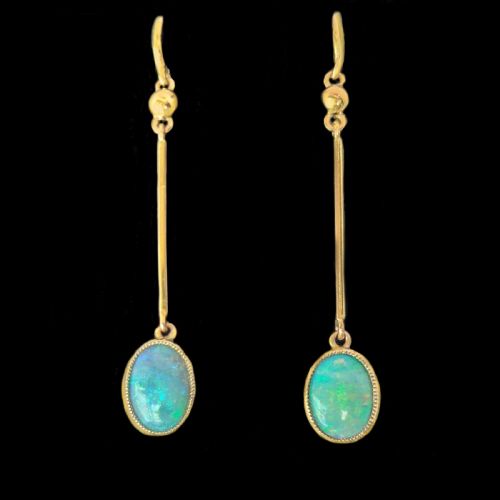
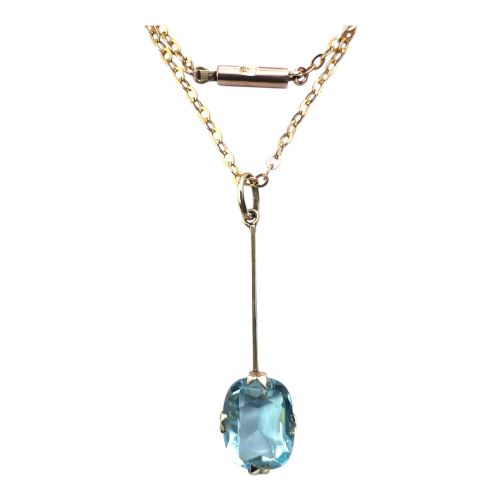
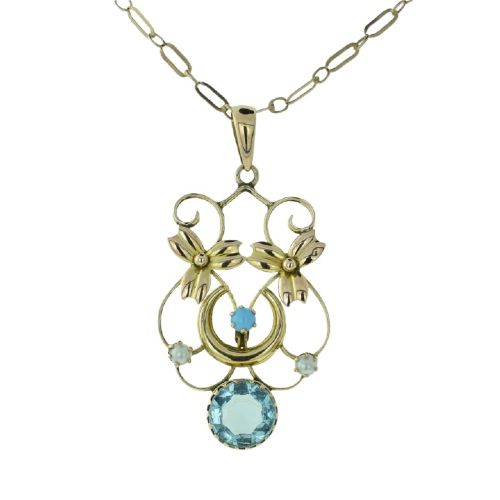
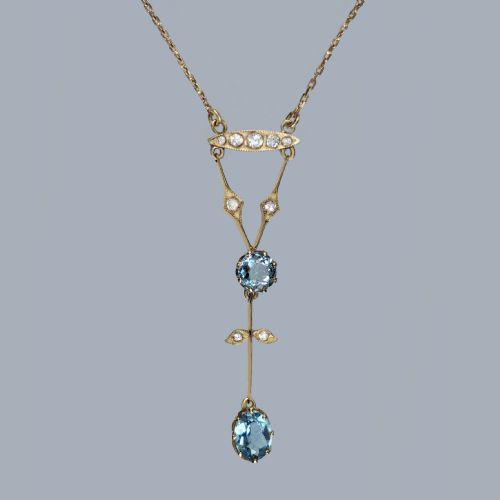
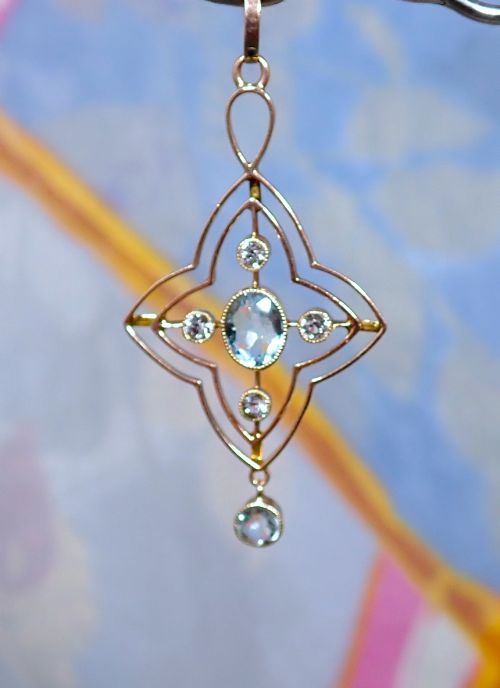


Blue Gemstone Gold Pendant
A blue gemstone gold pendant brings together cool aquamarine, sapphire or topaz and warm yellow or white precious metal from across the Victorian, Edwardian and mid-century eras.
Blue Gemstone Gold Pendant
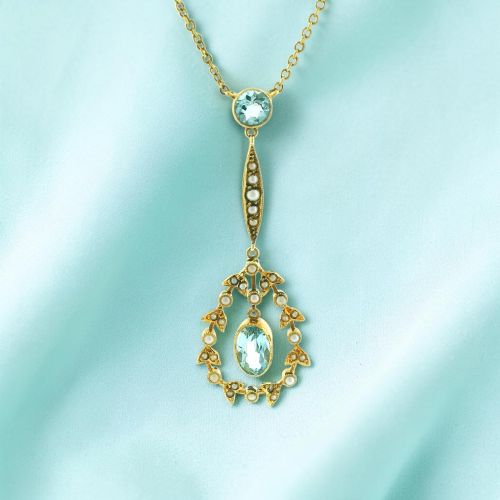
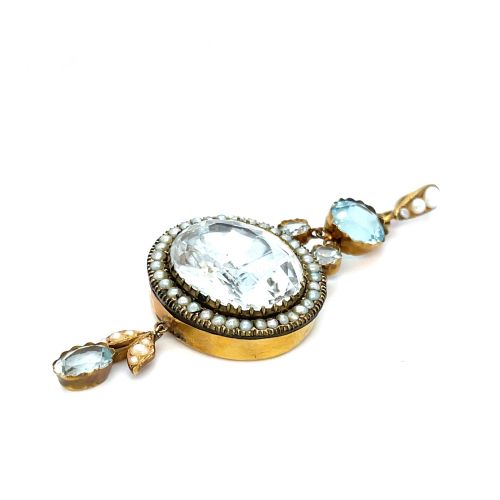
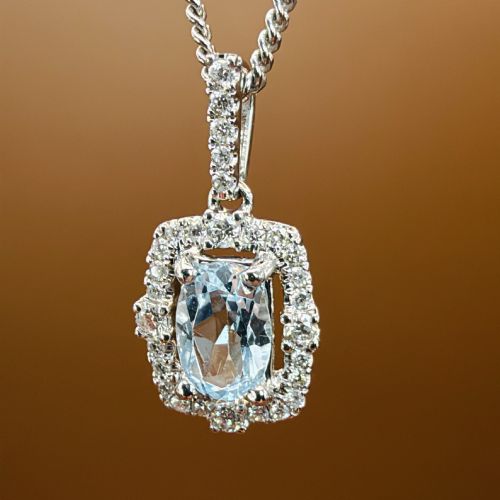
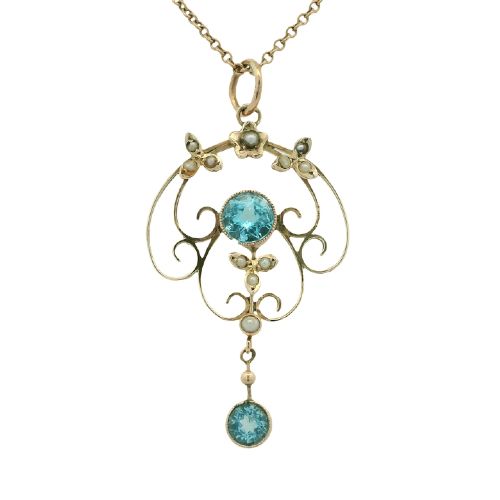
A blue gemstone gold pendant is a suspended ornament worn around the neck, centring on blue stones set in various carats of yellow, rose or white gold. These pieces range from delicate Edwardian drop designs set with aquamarine and pearl to substantial mid-century sapphire and diamond clusters.
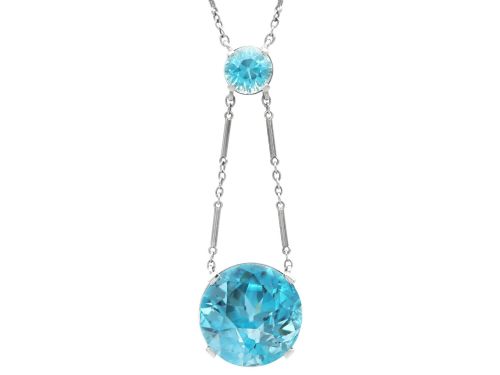
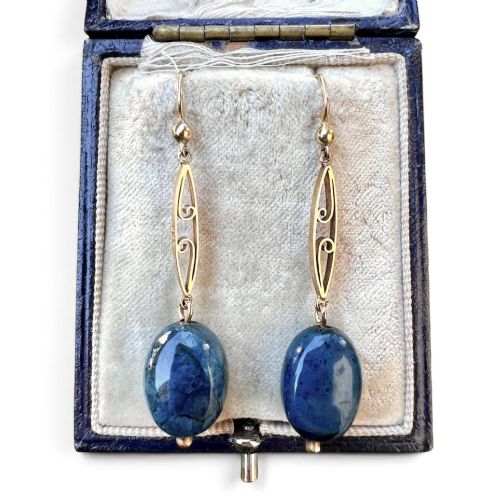
The selection on this page leans heavily toward Edwardian and 1950s examples, alongside Victorian and later twentieth-century pieces. Alongside dedicated pendants, buyers will encounter necklace combinations and drop formations that showcase similar metals and blue gems.
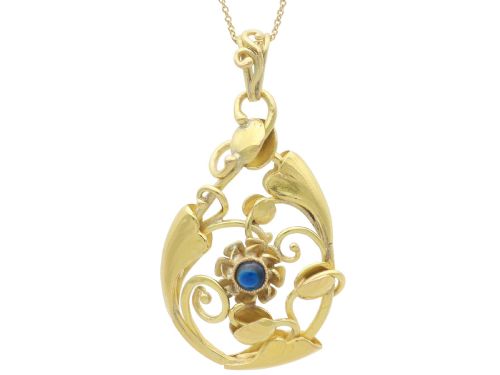
Makers and designers from the Arts and Crafts movement through to mid-century workshops contributed to this diverse inventory. The recurring use of blue topaz, aquamarine and sapphire across different decades illustrates enduring preferences for cool-toned gems in warm gold settings.
Materials and Construction
Gold forms the structural base of these pieces, appearing across varied purities from nine-carat up to eighteen-carat yellow, white and rose variations, occasionally paired with platinum. Goldsmiths utilised traditional setting techniques like bezel and claw mounts to secure the central blue stones.
Aquamarine, sapphire, blue topaz and zircon provide the characteristic blue colouration, frequently accented with small diamonds, seed pearls or turquoise stones. Master jewellers combined these gems using articulated links and drop settings that allow the pendant to move freely when worn.
Blue Gemstone Gold Pendant Retail Price Guide 2026
Typical asking prices for blue gemstone gold pendant among the pieces listed under this phrase on Sellingantiques today, from the lower quarter to the upper quarter. They describe what is for sale here now, not the wider market.
Some aquamarines weigh over thirty carats, proving past owners liked their blue stones large enough to anchor a small boat.
Evaluating Quality and Craftsmanship
Quality rests in the harmony of the design and the skill of the metalwork, distinguishing standard commercial output from finer artisan workshop creations. Superior pieces exhibit precise stone matching, secure prong or bezel work, and delicate gallery details that support the central blue gem without excess bulk.
The depth of colour and clarity in the primary blue gemstone significantly influence the overall standard of the jewellery. Finer examples maintain clean stone cuts and balanced proportions between the gold mount and the suspended gems, reflecting the aesthetic priorities of their respective periods.
Dorrie Nossiter·C'est Laudier
The Blue Gemstone Gold Pendant Glossary
- Cluster Pendant
- A jewellery configuration where a central blue gemstone is surrounded by a ring of smaller accent stones, typically diamonds or pearls. This arrangement maximises sparkle and visual impact.
- Drop Pendant
- A design where the main gemstone or ornament hangs below the primary chain attachment point, creating movement. Edwardian makers favoured this style for graceful, elongated silhouettes.
- Seed Pearl
- Tiny, naturally small pearls often used as delicate borders or accents in Victorian and Edwardian gold jewellery. They provide a soft, creamy contrast to bright blue stones and yellow gold.
- Bezel Setting
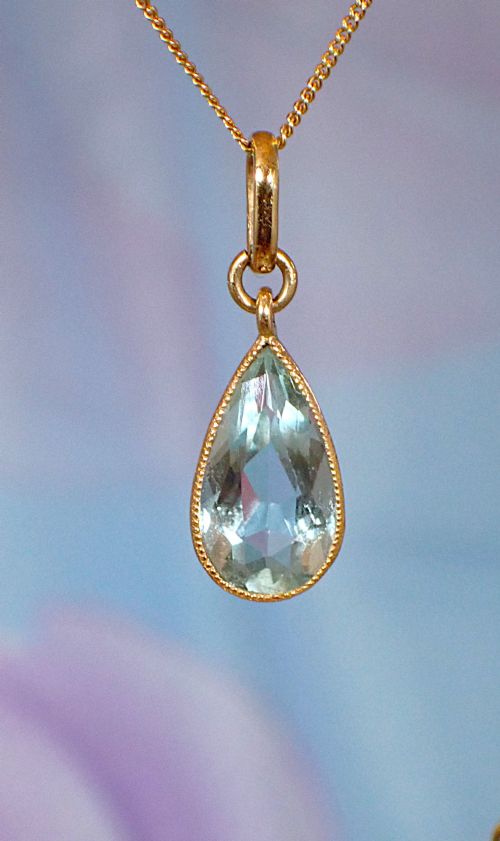
- A method of securing a gemstone by pushing a thin collar of metal around the stone's perimeter. This technique offers a smooth, protective edge popular in both antique and vintage pieces.
Blue Gemstone Gold Pendant: Frequently Asked Questions
How do I date a blue gemstone gold pendant?
Dating relies on stylistic clues, metal types and setting techniques specific to periods like the Edwardian era or the 1950s. Examining the clasp, chain type and gold hallmarks often provides further chronological context.
Lighter mountings with millegrain edges typically point towards early twentieth-century work, whereas heavier cluster forms align with mid-century production.
What gold purity is common in these pendants?
Nine-carat and eighteen-carat gold appear frequently across the available inventory, alongside occasional fourteen-carat and fifteen-carat variations. Yellow gold dominates earlier Victorian and Edwardian pieces, while white gold and platinum become more prevalent by the mid-century.
Each alloy offers a distinct tone that alters the visual temperature of the central blue gemstone.
Are chains usually original to the pendants?
Many antique and vintage pendants survive with later replacement chains added for everyday practicality. Where a chain is described as original or period-appropriate, it matches the wear, gold colour and style of the pendant drop.
Collectors often evaluate the suspension loop to determine whether the chain and pendant share a common origin.
How should I care for antique gold jewellery?
Gentle cleaning with warm soapy water and a soft cloth helps maintain the brilliance of the gold and the blue gemstones. Harsh chemical dips should be avoided, particularly for pieces containing organic gems like pearls.
Storing each pendant separately prevents metal scratching and protects delicate drop settings from unnecessary pressure.