





Blue Gem Jewellery
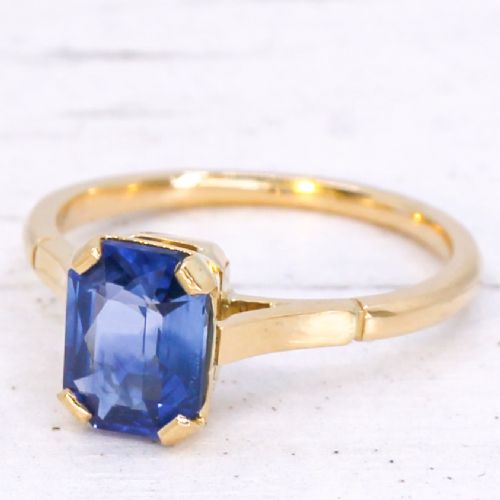
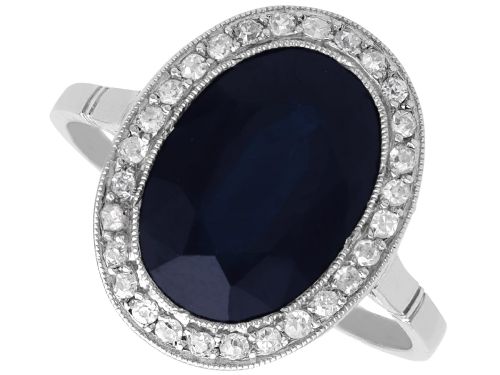
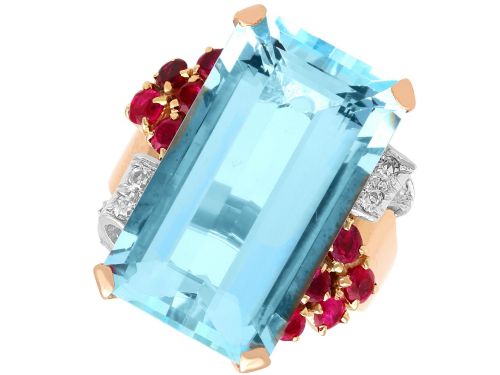
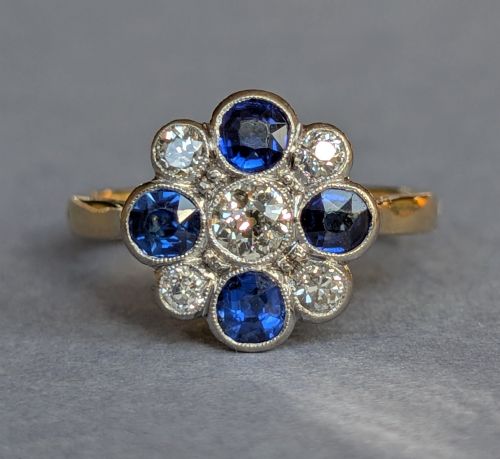
Blue gem jewellery brings together sapphires, aquamarines, opals and topazes set in gold, platinum and silver.
Blue Gem Jewellery
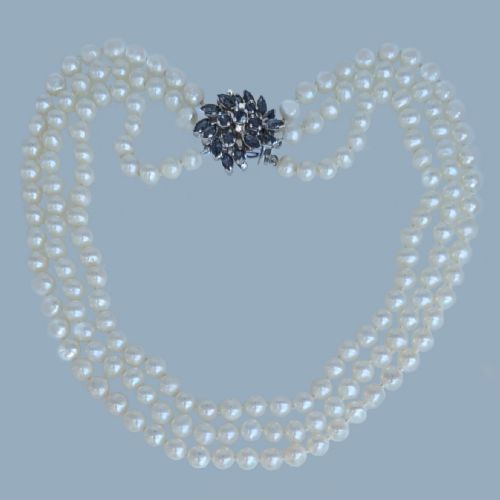
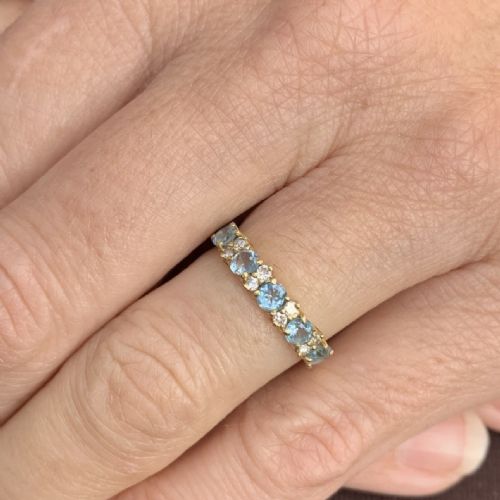
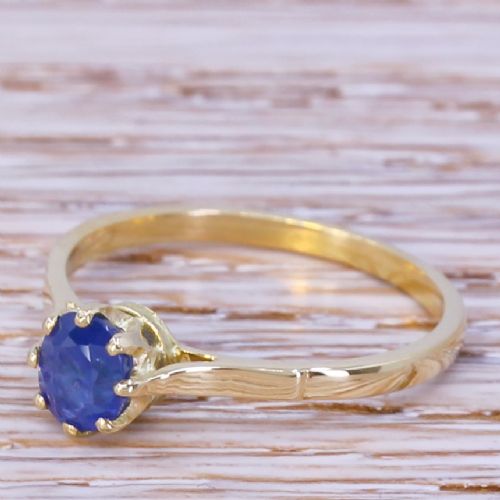
Blue gem jewellery encompasses rings, pendants, necklaces, earrings and bracelets featuring blue stones alongside diamonds and other gems. When you search for blue gem jewellery, you encounter pieces spanning the Victorian, Edwardian, Art Deco, Retro 1940s and Mid-Century periods.
The selection ranges from Ceylon and Burmese sapphire solitaire and cluster rings to large aquamarine and opal pendants. Platinum, 9ct gold, 14ct gold, 18ct gold and silver serve as the primary settings for these blue stones.
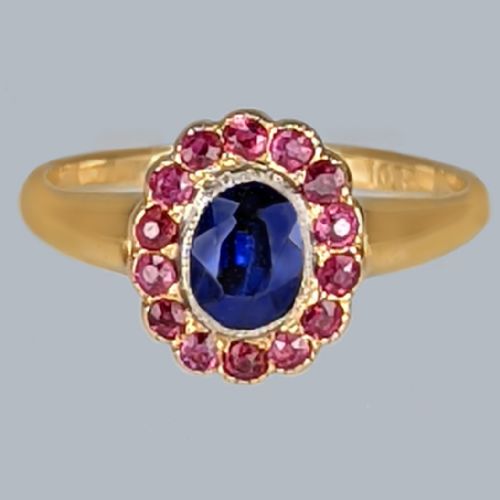
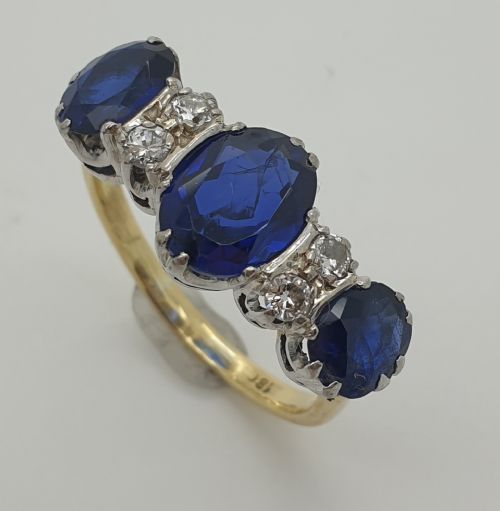
You are most likely to meet sapphire cluster rings and diamond-accented dress rings on this page. These items reflect the dominant forms produced across the early to mid-twentieth century.
How they were made
Makers set blue stones such as sapphires, aquamarines, opals, spinels, topaz and tanzanite into platinum, gold and silver. Platinum and white gold frequently support diamond and sapphire clusters from the Art Deco era.
Yellow gold, rose gold and 9ct or 18ct gold accommodate coloured gems in Victorian, Edwardian and mid-century designs. Techniques include claw settings, rubover mountings and cluster arrangements that combine rose-cut or brilliant-cut diamonds with oval, pear and emerald-cut blue stones.
Blue Gem Jewellery Retail Price Guide 2026
Typical asking prices for blue gem jewellery among the pieces listed under this phrase on Sellingantiques today, from the lower quarter to the upper quarter. They describe what is for sale here now, not the wider market.
Materials span platinum, silver, 9ct, 14ct, 15ct and 18ct gold set with sapphires, aquamarines, opals and diamonds.
What varies in quality
Quality rests upon the origin, carat weight and clarity of the central blue gem, whether a Ceylon sapphire, black opal or large aquamarine. Natural untreated stones and certified gems carry greater distinction than synthetic alternatives.
The weight and purity of the surrounding metal, such as platinum or solid 18ct gold, distinguish finer pieces from simpler 9ct gold or silver mounts. Precision in stone-cutting and the integration of supporting diamond work elevate the standard of the piece.
Dorrie Nossiter·C'est Laudier
The Blue Gem Jewellery Glossary
- Cluster ring
- A ring featuring a central stone encircled by a group of smaller gems, typically diamonds around a sapphire.
- Solitaire
- A piece of jewellery featuring a single set gem without secondary stones.
- Cabochon
- A gemstone shaped and polished with a smooth, convex domed surface rather than faceted.
- Half eternity ring
- A band set with gemstones along roughly half of the circumference of the ring hoop.
- Rubover setting
- A mounting style where a thin metal rim folds securely over the edge of the gemstone.
Blue Gem Jewellery: Frequently Asked Questions
What periods do these pieces span?
The pieces span from the Victorian and Edwardian eras through Art Deco, Retro 1940s and Mid-Century styles.
Items date from around 1900 up to later twentieth-century designs.
Which blue stones appear most often?
Sapphires form the largest share of the blue stones, appearing as Ceylon, Burmese and basaltic varieties.
Aquamarines, opals, blue topaz, spinels and tanzanite also feature prominently in rings and pendants.
How do platinum and gold settings differ?
Platinum provides a strong, bright white metal favoured during the Art Deco period for intricate diamond and sapphire work.
Gold appears in 9ct, 14ct, 15ct and 18ct purities, in yellow, white and rose tones across various decades.
Are gem reports common?
Certain pieces include professional gem reports detailing the origin and characteristics of the stones.
These documents accompany specific sapphire and pearl items listed within the selection.