

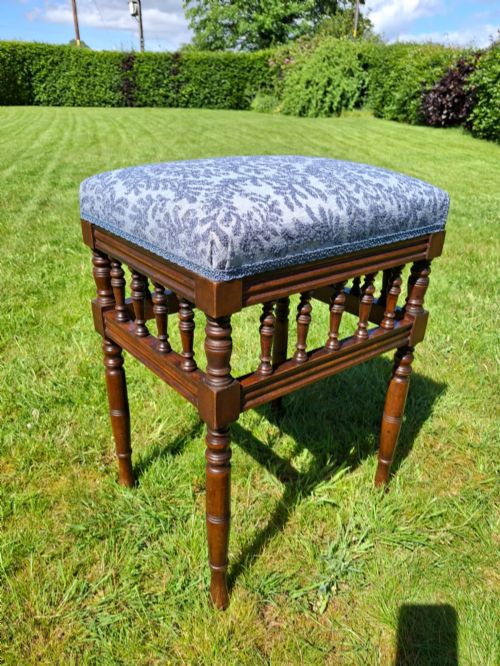

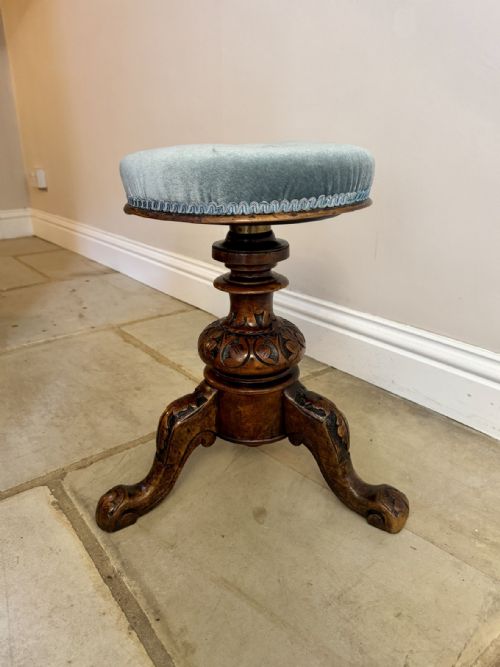


Blue Footstool
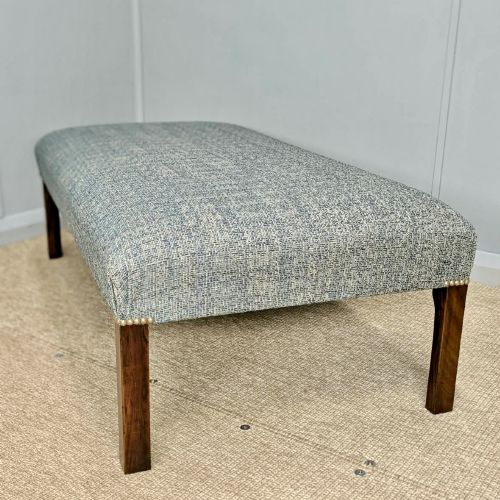
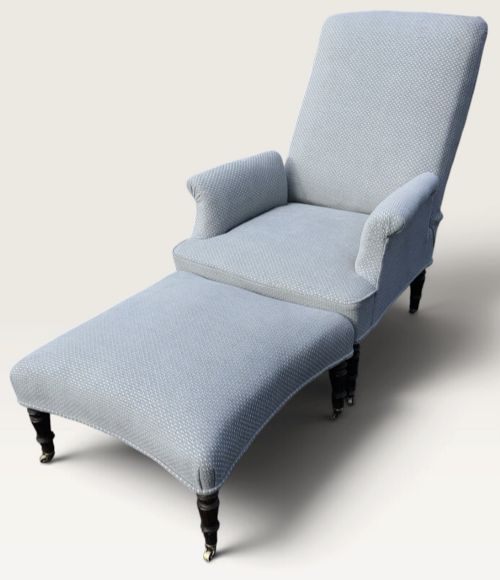
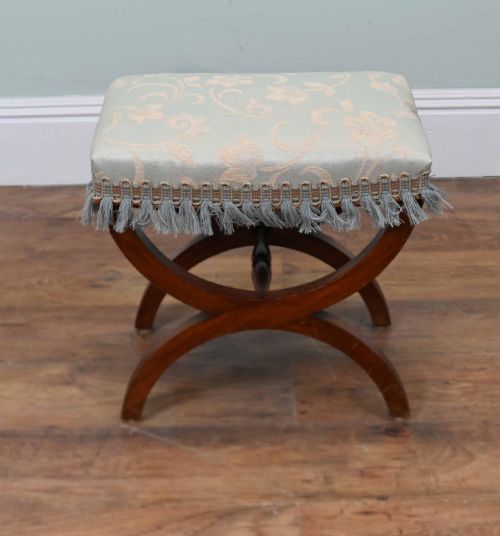
A blue footstool brings character and comfort to a room, offering a functional low seat or rest upholstered in rich textile.
Blue Footstool
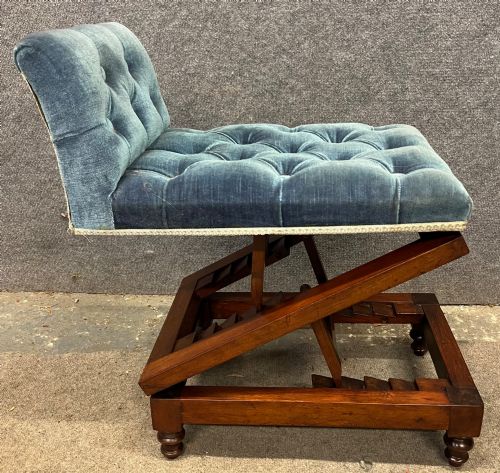
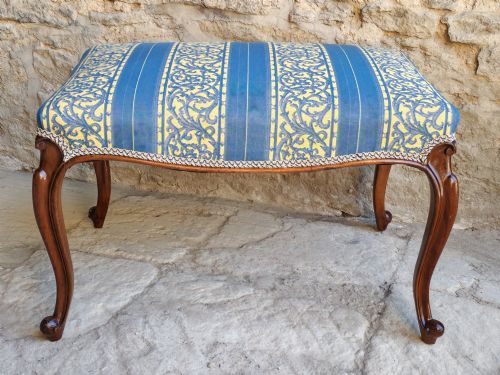
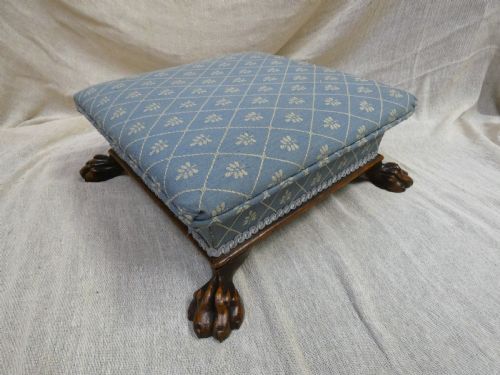
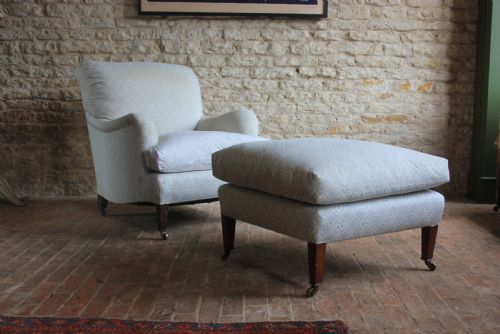
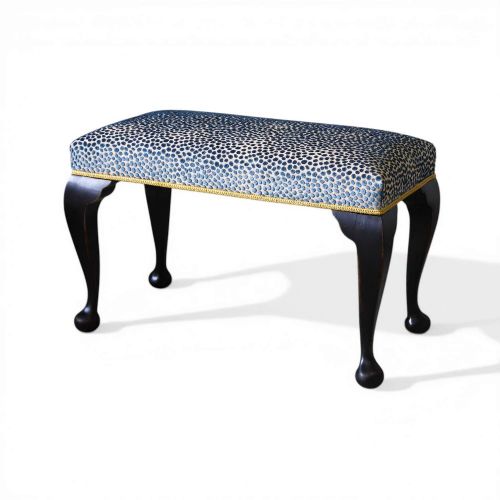
The selection ranges from compact gout stools and piano stools to larger ottomans and dressing table stools upholstered in velvet, tapestry, or needlepoint.
Makers often drew upon Chippendale, French Empire, or Louis XV styles, combining sturdy hardwood frames with textured blue fabric covers.
What varies in quality
The distinction between standard pieces and the finest examples lies in the crispness of the timber carving and the elegance of the frame proportions.
Superior execution is evident in the choice of durable hardwoods like rosewood and walnut, paired with heavy, well-preserved textile or leather upholstery.
Blue Footstool Retail Price Guide 2026
Typical asking prices for blue footstool among the pieces listed under this phrase on Sellingantiques today, from the lower quarter to the upper quarter. They describe what is for sale here now, not the wider market.
Mahogany and walnut appear frequently as the primary timber materials for the frames.
Howard and sons
The Blue Footstool Glossary
- Gout stool
- A specialised low footrest with an adjustable inclined top, designed to elevate and support the foot.
- Ottoman
- A low, upholstered seat or bench without a back or arms, sometimes featuring internal storage.
- Gimp
- A narrow woven band or braid used to trim the edges of upholstery and conceal tacks.
- Needlepoint
- A type of counted thread embroidery stitched on canvas, frequently used for durable seat covers.
Blue Footstool: Frequently Asked Questions
How do I clean an antique upholstered footstool?
Surface dust can be removed gently with a soft brush, taking care not to snag the vintage fabric.
Deep cleaning should be left to textile specialists to protect fragile historical fibres and internal stuffing.
Are these footstools sturdy enough for daily use?
Most timber-framed examples from the nineteenth century remain structurally robust and suitable for sitting or resting feet.
Checking the stability of the joints ensures the piece handles regular household demands safely.
How do I identify a Regency period footstool?
Regency pieces often display classical influences, featuring dark timbers like rosewood and sabre legs.
proportion and restrained decorative carving help separate them from later Victorian revivals.
Can I use a piano stool as a regular seat?
Piano stools are designed for seated practice and typically offer a steady platform at a fixed or adjustable height.
Their compact dimensions make them practical as occasional seats in smaller living spaces.