



Blue Floral Table Lamp
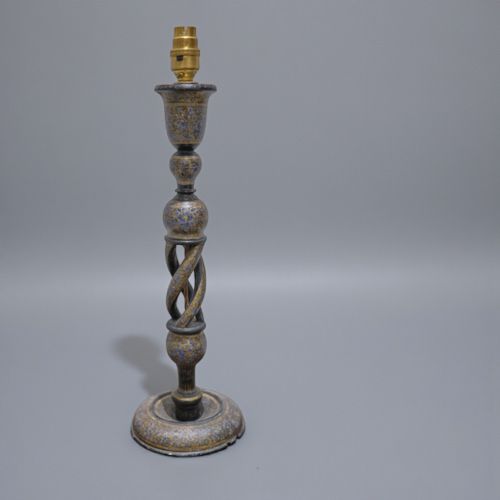
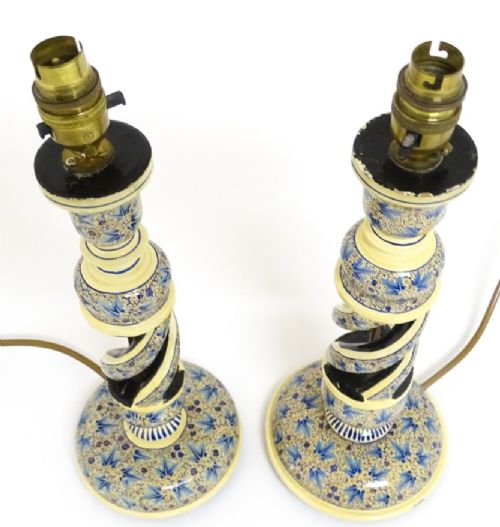
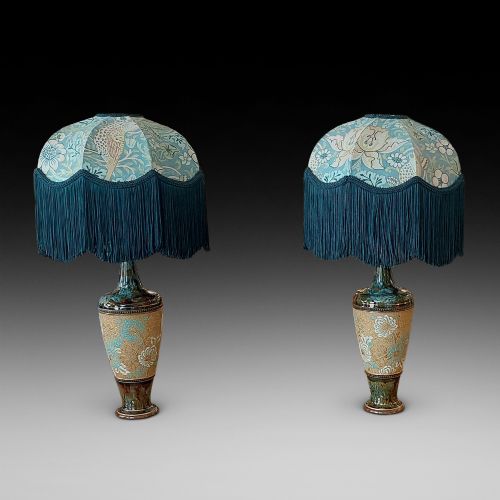
These blue floral table lamp designs bring patterned porcelain and enamel into daily lighting, offering distinct historical character for interior schemes.
Blue Floral Table Lamp
A blue floral table lamp combines historic ceramic vessels with wired lighting fixtures, transforming ginger jars, baluster vases, and decorative urns into functional illumination. Buyers seeking a blue floral table lamp will encounter varied forms ranging from early twentieth-century stoneware to nineteenth-century porcelain.
How they were made
Craftsmen shaped these bodies from porcelain, stoneware, and cloisonne enamel before applying intricate blue floral motifs and cobalt pigments. Metal components incorporate brass and ormolu mounts to secure the fittings and form stable bases for the ceramic vessels.
Shades utilise complementary textiles such as silk and fabric to diffuse the light, while older ceramic bodies often show adaptation from earlier vases into electrified lamps during subsequent decades.
Blue Floral Table Lamp Retail Price Guide 2026
Typical asking prices for blue floral table lamp among the pieces listed under this phrase on Sellingantiques today, from the lower quarter to the upper quarter. They describe what is for sale here now, not the wider market.
The listings span periods from the eighteenth century through to the 1930s, incorporating brass, porcelain, silk, and ormolu materials.
What varies in quality
The sophistication of the hand-painted cobalt detail and the crispness of the floral underglaze define the upper tier of these lighting pieces. Finer examples display meticulous brushwork on the ceramic surface and harmonious integration between the vessel and any metal mounts.
Mounting execution and the quality of supplementary materials like ormolu or cloisonne enamel distinguish standard production from superior decorative items. The integrity of the original ceramic body dictates the lasting appeal of each piece.
The Blue Floral Table Lamp Glossary
- Cloisonne enamel
- A metalwork technique where fine wires form partitioned cells filled with coloured vitreous paste and fired. This method creates detailed surface patterns frequently seen on nineteenth-century decorative bases.
- Ormolu
- Gilt bronze ornamentation applied to furniture and decorative objects. It provides ornate metallic mounts that enhance the aesthetic of French style lamps.
- Baluster
- A bottle-shaped architectural or decorative form featuring a rounded lower body and a slender neck. Many tall ceramic table lamps adopt this classic silhouette.
- Stoneware
- A robust, vitrified ceramic fired at high temperatures to achieve a dense, impermeable body. Royal Doulton pieces utilise this durable material for textured surface designs.
- Underglaze
- A method of applying decoration to ceramics before the protective glaze layer is applied and fired. This seals the blue floral pigment permanently beneath a glossy finish.
Blue Floral Table Lamp: Frequently Asked Questions
Are these lamps converted from old vases?
Many examples utilise historic porcelain and stoneware vases adapted for modern electrical use. This process preserves antique ceramic artistry while adding functional utility to domestic interiors.
Collectors appreciate how period vessels find new purpose as lighting fixtures without losing their original decorative context.
Do matching pairs appear often?
The inventory frequently includes matched pairs of lamps, particularly among Kashmiri, Royal Doulton, and Chinese cloisonne pieces. Symmetrical arrangements suit sideboards, mantels, and bedside tables effectively.
Finding balanced pairs remains a distinct advantage for interior decorators seeking symmetry in larger spaces.
How should I clean fabric shades?
Silk and fabric shades require gentle dusting with a soft brush or a low-suction vacuum attachment to prevent fibre damage. Avoid harsh liquids or scrubbing which can degrade delicate textiles.
Maintaining the shade gently preserves the overall balance between the illuminated textile and the decorative ceramic base.