





Blue Desk Clock
A blue desk clock brings colour and precise timekeeping together, offering a functional centrepiece shaped by centuries of European craftsmanship.
Blue Desk Clock
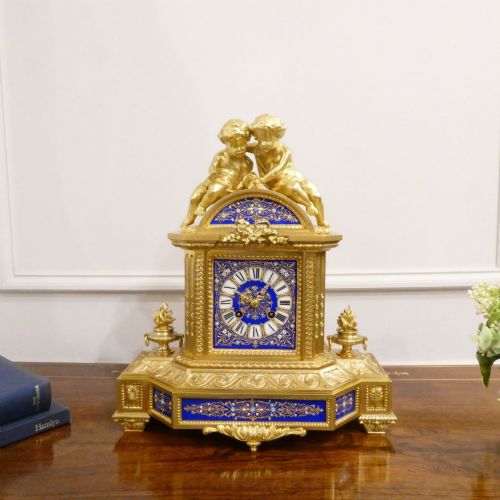
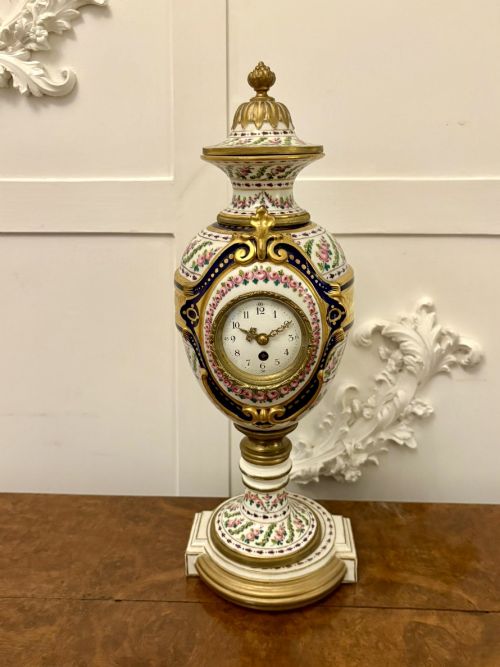
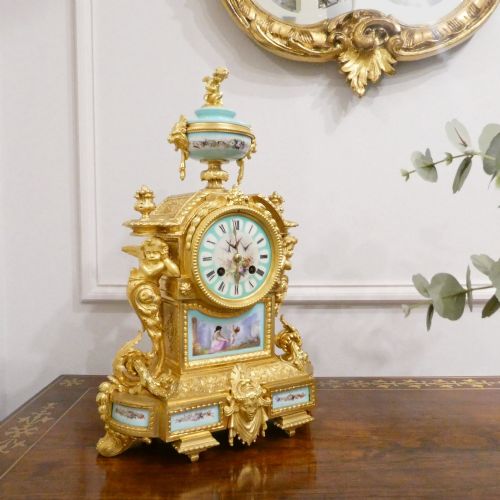
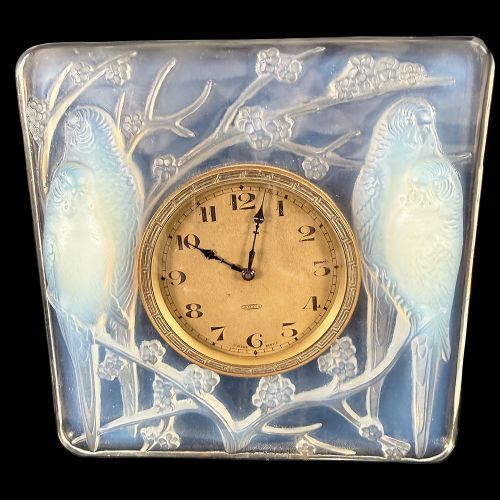
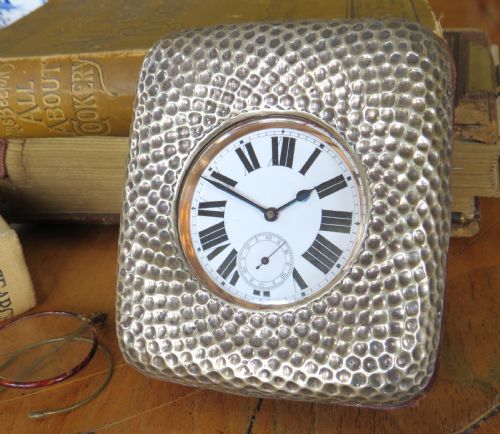
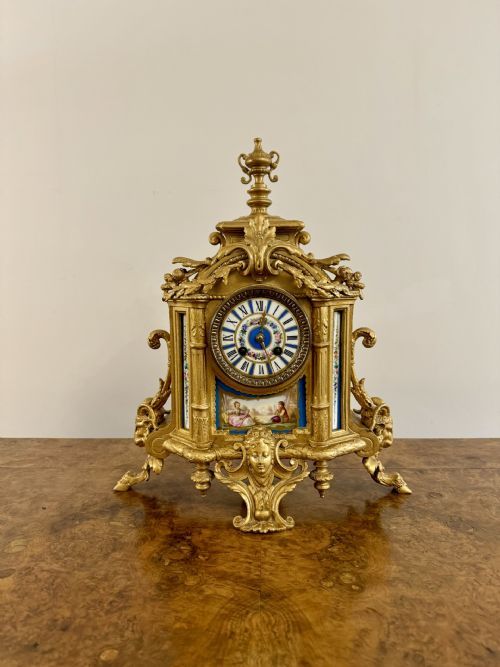
A blue desk clock encompasses portable timepieces, boudoir clocks, and small mantel clocks featuring blue enamel, glass, or porcelain cases. These pieces range from nineteenth-century French gilt bronze models with hand-painted ceramic panels to twentieth-century Art Deco glass designs.
The selection on this page relies heavily on French production from the nineteenth century alongside later British and Swiss pieces. Buyers encounter carriage clocks, strut timepieces, and larger mantel clocks united by their blue palettes and compact desk or table formats.
How they were made
Casing construction combines cast metals such as ormolu, gilt bronze, brass, and pewter with fragile decorative elements like opalescent glass, Sevres porcelain, and guilloche enamel. Metal components are cast, chased, and gilded, while dials and panels receive hand-painted ceramic detailing or translucent enamel layers.
Movements are mechanical spring-driven mechanisms, ranging from simple timepieces to complex bell-striking systems housed within glass regulators or heavy metal frames. Artisans integrated enamel dials, often featuring delicate numerals, directly into the metal or porcelain housings.
Blue Desk Clock Retail Price Guide 2026
Typical asking prices for blue desk clock among the pieces listed under this phrase on Sellingantiques today, from the lower quarter to the upper quarter. They describe what is for sale here now, not the wider market.
Some timepieces tucked love birds inside opalescent glass wings while others quietly kept track of barometric pressure alongside the hours.
What varies in quality
Quality rests upon the crispness of the metal chasing, the depth of the gilding, and the artistic merit of the painted porcelain or enamel panels. Finer examples display meticulous hand-painting on porcelain and intricate champleve enamel work rather than plain surfaces or pressed substitute materials.
The integrity of the clock case and the refinement of the movement distinguish standard pieces from exceptional works. Original glass domes, matching side pieces, and signed movements by known makers elevate the standing of a timepiece.
R Lalique·Liberty & Co·Luxor·Smiths
The Blue Desk Clock Glossary
- Ormolu
- Gilded bronze used extensively in French clock manufacture to create ornate decorative mounts and cases. The technique involves applying a mercury and gold amalgam to bronze before heating.
- Guilloche enamel
- Enamel applied over a metal surface that has been machine-turned with a repeating geometric pattern. This technique creates shimmering, light-reflecting waves beneath the translucent colour.
- Carriage clock
- A small, spring-driven portable clock designed for travel, featuring a carrying handle and glass panels. They originated in France during the nineteenth century.
- Champleve
- An enamelling technique where troughs or cells are carved into the surface of a metal object and filled with vitreous enamel powder before firing. The resulting design sits flush with the metal partitions.
Blue Desk Clock: Frequently Asked Questions
How do I wind a mechanical desk clock?
Mechanical desk clocks use a key or attached winding mechanism to tension the mainspring inside the movement. Care must be taken not to overwind the spring, stopping as soon as resistance is felt.
Different movements require winding at specific intervals, typically daily, weekly, or eight-day cycles depending on the gear train configuration.
Where should I place a porcelain clock?
Porcelain and enamel desk clocks require stable surfaces away from direct sunlight, which can fade hand-painted ceramic panels and coloured glass over time. Placing them on a mantelpiece or sturdy desk protects delicate cases from vibrations and accidental falls.
Maintaining a stable room temperature prevents thermal shock to older adhesives and delicate metal assemblies.
How do I date a French enamel clock?
Dating relies on stylistic clues, including the transition from ornate nineteenth-century Rococo and Louis XVI revivals to clean-lined twentieth-century Art Deco forms. Maker marks, dial signatures, and registration numbers stamped on the movement backplate provide further chronological evidence.
Materials such as opalescent glass and specific enamel techniques also point towards definite manufacturing decades.
Are these clocks suitable for daily use?
Antique and vintage desk clocks function well as daily timepieces provided they receive proper mechanical servicing. Regular cleaning and oiling of the gear trains ensure accurate timekeeping and prevent wear on historical components.
Careful handling during winding and setting preserves the delicate escapements found in carriage and boudoir clocks.