



Blue Coat Miniature
A blue coat miniature is a painted portrait of an individual wearing a distinctive blue coat, prized for fine detail and historic costume.
Blue Coat Miniature
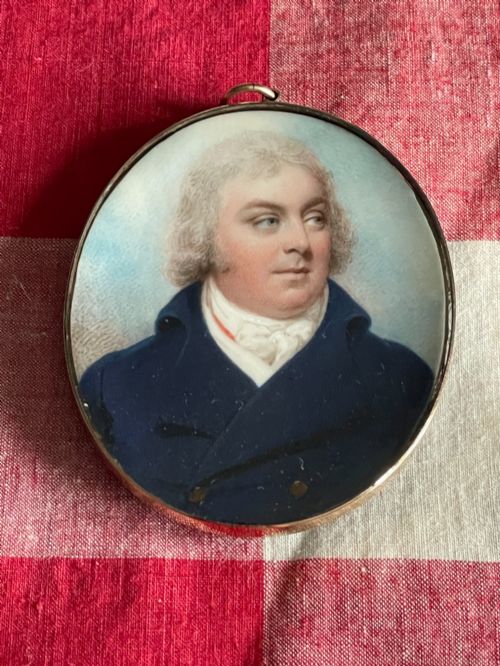
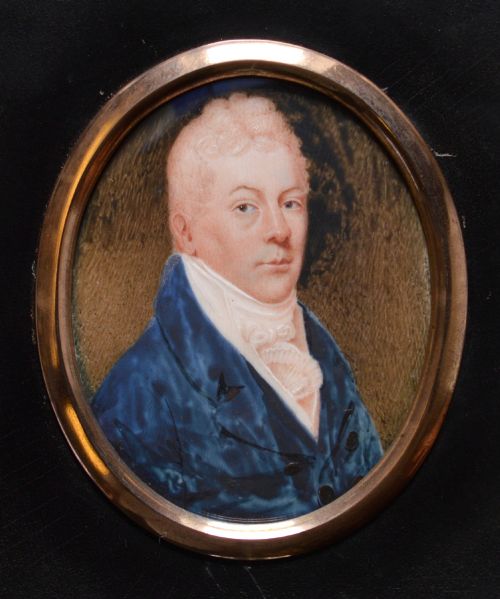
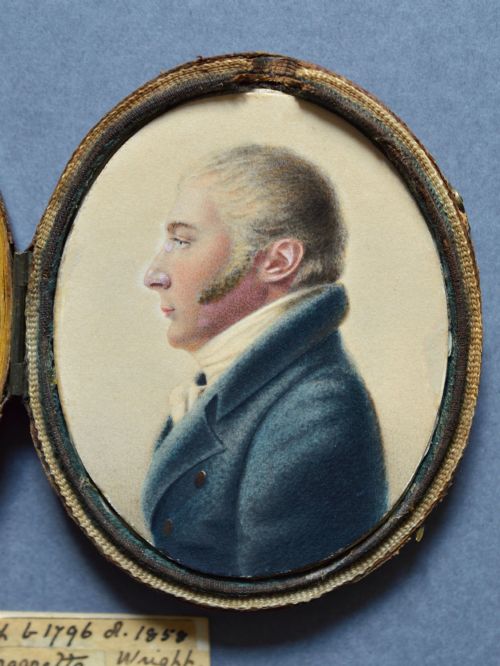
A blue coat miniature presents a portrait painting executed on materials such as ivory, paper, and agate panel, capturing subjects from the eighteenth and nineteenth centuries. The examples here span Georgian, Regency, and French Empire styles, depicting gentlemen, naval officers, and historical figures.
Buyers encountering this page will most frequently meet Georgian and Regency works rendered in watercolour or oil. These portable likenesses reflect the clothing and artistic conventions of their respective periods, from the late eighteenth century up to eighteen sixty.
Materials and construction
Artists created these small portraits using watercolour on ivory, oil on panel, and pastel, supported by backing materials such as paper and leather. Delicate paint application demanded steady brushwork on diminutive surfaces.
Frames play a structural and decorative role, constructed from gilt metal, eighteen karat gold, and brass to protect and display the delicate artwork.
Blue Coat Miniature Retail Price Guide 2026
Typical asking prices for blue coat miniature among the pieces listed under this phrase on Sellingantiques today, from the lower quarter to the upper quarter. They describe what is for sale here now, not the wider market.
Napoleon Bonaparte watches over the collection from eighteen sixty, still wearing his famous gaze in oil.
Distinctions in quality
The quality of the surrounding metal frame, whether solid gold or gilt brass, contributes to the overall standing of the object, alongside the preservation of the painted surface.
Thomas John Horsley·John C D Engleheart·Samuel Cotes·Diana Hill·Nathaniel Bermingham·AE Chalon
The Blue Coat Miniature Glossary
- Miniature painting
- A small-scale portrait executed with fine detail, designed to be held or worn.
- Ivory
- A smooth organic material used as a painting surface for its fine grain and luminous quality.
- Gilt metal
- Base metal treated with a thin layer of gold to provide a decorative metallic finish.
- Georgian
- The artistic and historical period spanning the reigns of the four Georges, noted for refined portraiture.
Blue Coat Miniature: Frequently Asked Questions
What is a blue coat miniature?
A blue coat miniature is a small painted portrait from the Georgian or Regency era featuring a subject dressed in a blue coat. These works capture historical costume and individual likeness.
They were produced by artists working on materials such as ivory, paper, and agate panel, often housed in protective metal frames.
How were these miniature portraits used?
These small artworks served as personal tokens of affection, remembrance, or status. People carried them on their person or kept them displayed in private spaces.
Their portable nature allowed subjects to travel with portrait likenesses of family members, naval officers, or public figures.
How do I live with a miniature portrait?
Miniature portraits require careful placement away from direct sunlight to protect delicate watercolours and organic materials like ivory from fading or warping. Stable indoor humidity is essential.
Display them in secure, well-lit positions where their fine details can be appreciated at close range without handling the painted surface.
How do I identify the period of a piece?
Period identification relies on the style of clothing, the hairstyle of the subject, and the framing techniques used. Georgian and Regency pieces display specific sartorial shifts.
Consulting the materials, such as eighteenth-century gold frames or specific painting mediums like watercolour on ivory, assists in dating the work accurately.