



Black Wooden Console
These black wooden console pieces are sturdy tables and wall brackets shaped in 18th century, Victorian, Edwardian, and Aesthetic Movement traditions.
Black Wooden Console
A black wooden console table combines dark finishes with practical surfaces, serving halls and principal rooms across several periods. Buyers examining this page encounter side tables, writing desks, and wall brackets finished in ebonised wood or paint.
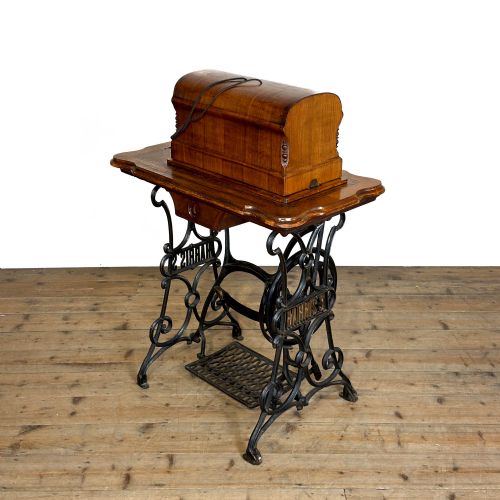
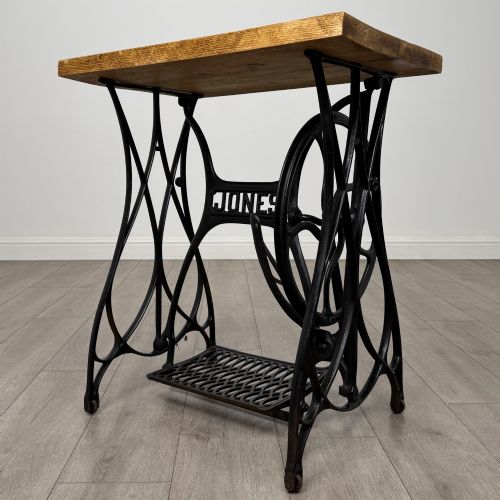
The selection ranges from Georgian Sheraton and French Provincial designs to 19th century industrial iron frames and heavily carved Black Forest animal figures. Many pieces originate from English, French, and Dutch workshops, offering distinct regional interpretations of the form.
Victorian and Edwardian examples dominate the current availability, alongside earlier 18th century painted dresser bases and chinoiserie side tables. Each piece utilises timber, brass accents, or gold leaf to enhance the dark aesthetic.
Materials and construction methods
Craftsmen built these tables using solid timber frames, applying ebonised finishes, dark paint, or gold leaf decoration directly to the wood. Metal elements such as brass mounts and cast iron bases provide structural support and decorative contrast.
Black Wooden Console Retail Price Guide 2026
Typical asking prices for black wooden console among the pieces listed under this phrase on Sellingantiques today, from the lower quarter to the upper quarter. They describe what is for sale here now, not the wider market.
Several pieces double as loyal hounds, faithfully holding up side tables without ever needing to be walked.
Distinctions in craftsmanship and finish
The degree of hand-carving and decorative detail separates standard utility tables from exceptional artistic pieces like Black Forest animal mounts or Sheraton chinoiserie. Superior examples exhibit precise joinery, well-preserved gilding, and integrated brass hardware.
The integrity of the ebonised or painted surface significantly influences the overall character of a console. Original patination and minimal modern intervention preserve the historical authenticity of older pieces.
The Black Wooden Console Glossary
- Ebonised wood
- Timber treated with stains, dyes, or dark finishes to imitate the dense, black appearance of ebony. This technique gained particular popularity during the Victorian and Aesthetic Movement periods.
- Chinoiserie
- European artistic style reflecting Chinese motifs and decorative techniques, applied to furniture during the 18th century. It frequently incorporates hand-painted gold scenes on black lacquered or painted surfaces.
- Console table
- A table designed to stand against a wall, traditionally supported by brackets or console legs rather than four standard vertical posts. They function effectively in narrow hallways and reception spaces.
- Aesthetic Movement
- Design reform movement of the late 19th century that prioritised visual beauty over narrative content or heavy historicism. Pieces from this era often feature clean ebonised surfaces.
- Black Forest carving
- Highly detailed woodwork originating from the mountainous region of Central Europe, characterised by realistic animal sculptures and naturalistic foliage. Hound motifs and wall brackets represent this tradition.
Black Wooden Console: Frequently Asked Questions
Where should I place a black wooden console?
These tables fit naturally in narrow hallways, entrance foyers, and reception rooms where floor space is limited. Their dark finishes anchor the room visually without overwhelming surrounding furniture.
Wall brackets and side tables also offer display surfaces for lamps, books, and decorative objects in living spaces.
How do I care for ebonised wood surfaces?
Maintain ebonised timber by dusting gently with a soft, dry cloth to prevent scratching the dark finish. Avoid using harsh chemical sprays or abrasive cleaners that can dull the lustre over time.
Keep pieces away from direct sunlight and excessive heat sources to protect the wood from warping or fading.
What is the difference between Georgian and Victorian styles?
Georgian furniture, such as Sheraton designs, typically emphasises refined proportions, classical symmetry, and delicate painted ornamentation. Victorian pieces often display heavier proportions, richer carving, and more dramatic use of ebonised finishes.
Later Victorian work also incorporates industrial elements like cast iron bases alongside traditional timber.
Are these tables suitable for everyday use?
Solid timber construction and robust joinery allow most of these tables to handle daily domestic requirements. Writing desks and sturdy console bases easily support lamps and everyday items.
Delicately carved decorative pieces or heavily gilded surfaces require more careful placement to avoid accidental knocks.