





Black Wood Stool
These black wood stool selections bring dark timber seating into interiors through Victorian, Edwardian, and tribal forms.
Black Wood Stool
When you search for a black wood stool, you encounter seating fashioned from dark timbers, ebonised surfaces, and painted finishes originating from nineteenth century Europe, Africa, and Asia. The examples available here span utilitarian piano seats, music stools, footstools, and carved tribal pieces.
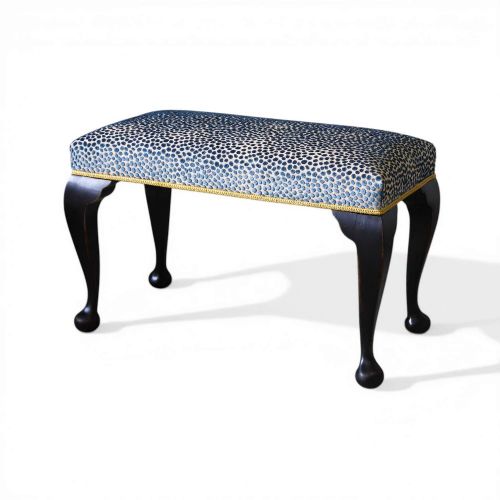
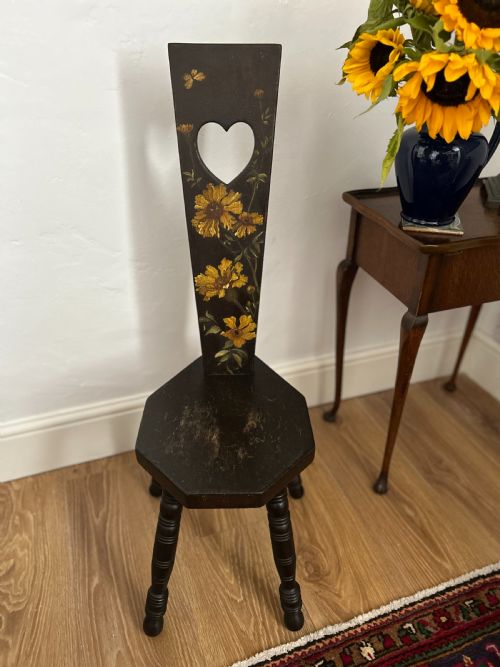
You are most likely to meet ebonised Victorian and Edwardian wooden stools featuring turned legs and upholstered seats, alongside hand painted Welsh spinning chairs and carved African tribal forms. These pieces serve as versatile household seats, side tables, or plant stands.
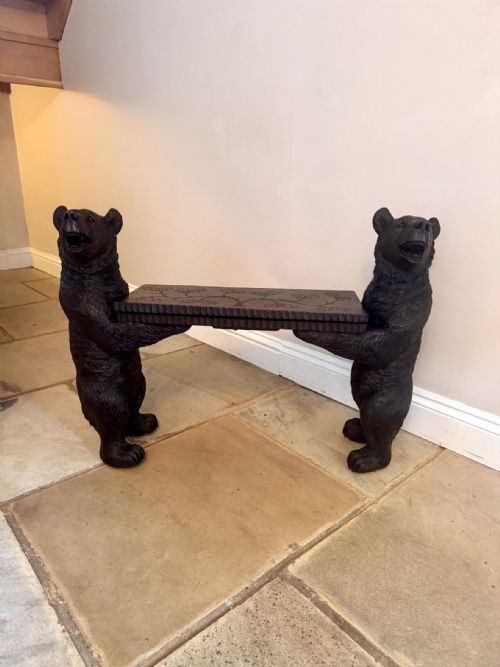
The diverse origins recorded in these listings mean you might select an intricately carved Black Forest musical seat depicting a bear, an Anglo-Indian occasional table, or a simple painted long stool. Each object reflects the specific craft traditions of its period and region.
Materials and construction methods
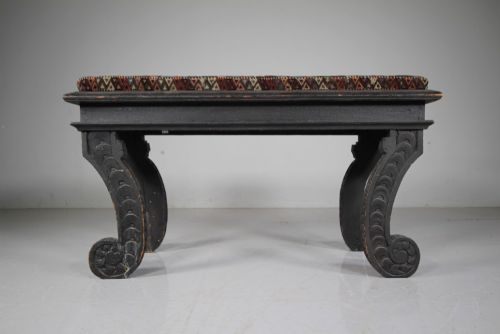
The construction of these pieces relies on hardwoods, mahogany, elm, and pine, frequently altered through ebonisation to mimic costly ebony. Makers applied dark paint, lacquer, or black finishes directly to the wood substrate to achieve a uniform sombre tone.
Joinery techniques range from simple turned legs fitted into solid seats to complex hand carved elements incorporating bone inlay. Upholstered tops utilise traditional textiles and fabric coverings fixed over padded foundations.
Black Wood Stool Retail Price Guide 2026
Typical asking prices for black wood stool among the pieces listed under this phrase on Sellingantiques today, from the lower quarter to the upper quarter. They describe what is for sale here now, not the wider market.
At least one nineteenth century bear stands ready to support a pianist on a musical seat.
Assessing craftsmanship and finish
The distinction between standard utility items and finer pieces lies in the execution of the wood carving and the integrity of the ebonisation. Superior examples display crisp hand carved details, such as figurative motifs on Black Forest seats or precise turning on Victorian legs.
Quality also resides in the preservation of original painted surfaces, lacquering, and structural joinery. Pieces that retain their original upholstery materials or authentic swivel mechanisms demonstrate higher integrity than those with modern alterations.
Jennens and Bettridge
The Black Wood Stool Glossary
- Ebonised Wood
- Timber treated with stain, paint, or chemical processes to simulate the appearance of solid ebony. This dark finish gained popularity during the Victorian era to project a formal aesthetic.
- Music Stool
- A seat designed specifically for keyboard players, often featuring a swivel base for height adjustment. These items allowed musicians to find a comfortable posture during long practice sessions.
- Black Forest
- A nineteenth century carving style originating from the German mountain region, known for naturalistic animal and foliage motifs. Carvers utilised local woods to create dramatic sculptural furniture.
- Tribal Stool
- Hand carved seating produced by indigenous African makers from single blocks of wood. These functional objects often incorporate geometric patterns and symbolic forms.
Black Wood Stool: Frequently Asked Questions
How were piano stools used?
Piano stools provided adjustable seating for musicians at keyboard instruments during the nineteenth and early twentieth centuries. Many incorporated swivel mechanisms allowing the player to alter their height.
Today these functional seats adapt easily as dressing table chairs or small occasional seats in living spaces.
What is an ebonised finish?
Ebonisation is a chemical or surface treatment applied to timber to darken it until it resembles genuine ebony. Victorian cabinetmakers utilised this technique on common woods to achieve a fashionable black appearance.
This method allowed makers to produce sophisticated furniture without relying on scarce imported tropical hardwoods.
How do I style a tribal stool?
Tribal stools function effectively as sculptural accent pieces, bedside tables, or plant stands in modern interiors. Their hand carved wooden surfaces introduce tactile contrast to smooth contemporary walls and flooring.
Place them where their unique proportions and carved details remain visible as standalone objects.
What defines a spinning chair?
Spinning chairs feature low seats and elaborately carved backrests designed for domestic textile production in past centuries. Makers decorated the wood with folk art motifs such as flowers, animals, or geometric patterns.
These compact seats sit comfortably beside fireplaces or in small hallways as decorative focal points.