


Black White Ceramic Figurine
These black white ceramic figurine examples range from Staffordshire dogs to Derby figures, offering collectors distinct Victorian and earlier charm for the home.
Black White Ceramic Figurine
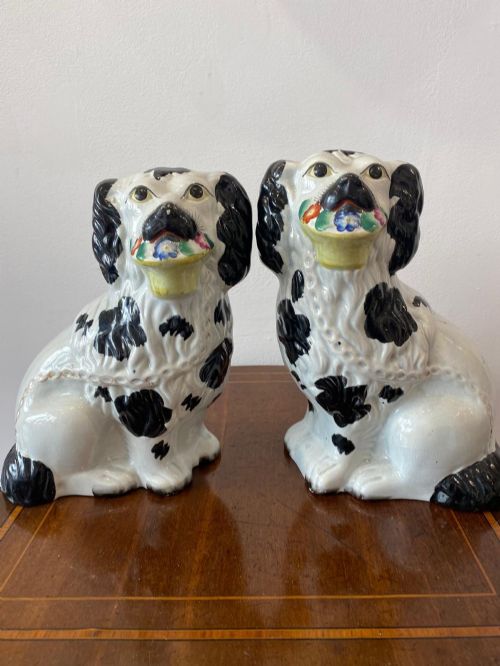
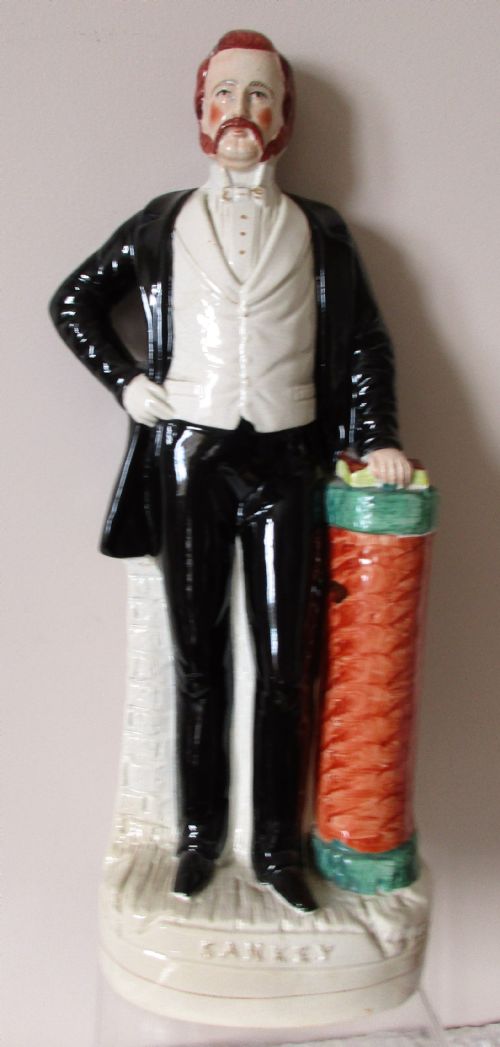
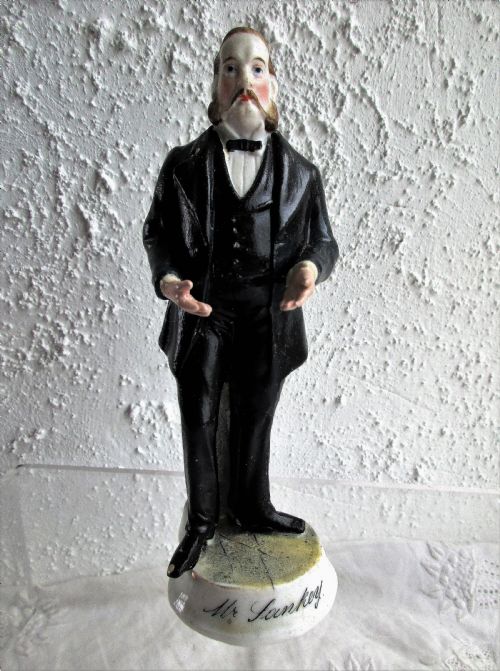
When searching for a black white ceramic figurine, buyers encounter a selection dominated by 19th-century Staffordshire pottery dogs, portrait figures, and zebras, alongside 18th-century porcelain examples. The most common forms on this page are pairs of Staffordshire dogs and portrait figures depicting subjects such as Mr Sankey, often finished with painted details.
Originating largely from English workshops during the Victorian period, these decorative figures include both earthenware and porcelain compositions. Continental works also appear, such as miniature porcelain dog figures from the late 19th century.
The historical scope extends from the 18th century through the Victorian era into 1900, capturing domestic animal studies and allegorical representations like the Derby figure symbolising Africa. Buyers frequently find traditional English styles alongside Rococo influences in the earlier porcelain pieces.
How they were made
The makers utilised earthenware and porcelain as the primary ceramic bodies, shaping them into distinctive animal and human forms. These pieces rely on glaze and enamel paint to establish the monochrome black and white markings characteristic of the figures.
Surface decoration often incorporates enamel and gilt highlights applied over the fired ceramic ground. Potters modelled these decorative figures by hand or mould, capturing the specific textures of fur and costume before the final glazing process.
Even prancing zebras managed to find a place on the Victorian mantelpiece alongside the traditional spaniels.
What varies in quality
The sophistication of the ceramic body also distinguishes the work, with fine porcelain carrying a different tactile and visual weight than heavier earthenware Staffordshire pieces. Preservation of the original gilt and enamel surface decoration remains a key factor in distinguishing the finer examples.
Beswick
The Black White Ceramic Figurine Glossary
- Earthenware
- A porous pottery body fired at lower temperatures, commonly used for Staffordshire animal and portrait figures. It requires an impermeable glaze to hold liquids and display enamel colours effectively.
- Porcelain
- A finer, vitrified ceramic material fired at higher temperatures, offering a more delicate structure and smoother surface. It is typical of the 18th-century Derby pieces and continental miniatures seen here.
- Gilt
- A thin layer of gold application used to accent specific areas of the figurine. This technique highlights collars, chains, or base details on Victorian pottery.
- Staffordshire
- A regional designation for pottery produced in the Staffordshire potteries district of England. These works include the familiar pairs of mantel dogs and portrait figures.
Black White Ceramic Figurine: Frequently Asked Questions
What periods do these figurines date from?
The pieces span from the 18th century up to 1900, covering the Georgian and Victorian eras.
Most examples originate from the 19th century, particularly the Victorian period and around 1860.
What animals are commonly depicted?
Dogs form the largest group, specifically Staffordshire spaniels appearing in pairs.
Zebras and continental miniature dogs also feature among the animal subjects.
Are portrait figures available?
Yes, Victorian pottery and porcelain portrait figures represent specific individuals like Mr Sankey.
These human figures share the same black and white palette and ceramic construction.
Where were these figures made?
English potteries, notably in Staffordshire, produced the majority of the domestic dogs and portrait figures.
Continental workshops also contributed porcelain pieces, and Derby created the 18th-century allegorical figures.