



Black Tin Box
These black tin box items combine painted sheet iron and toleware construction with utilitarian storage.
Black Tin Box
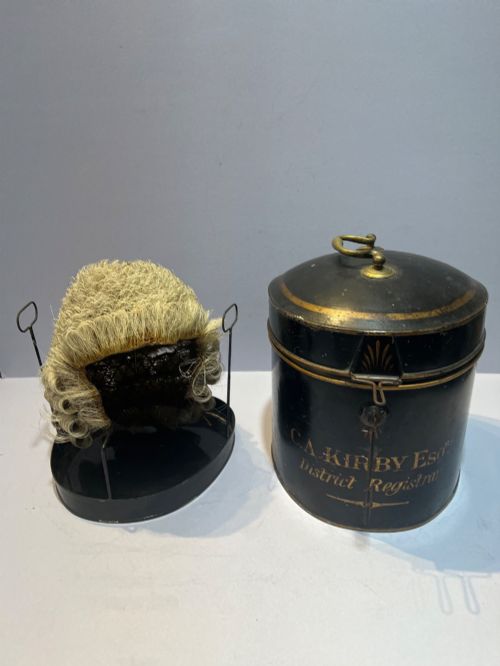
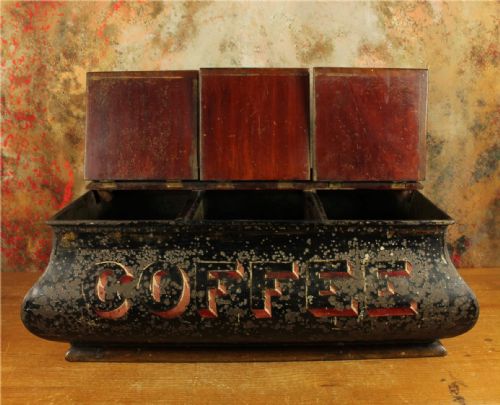
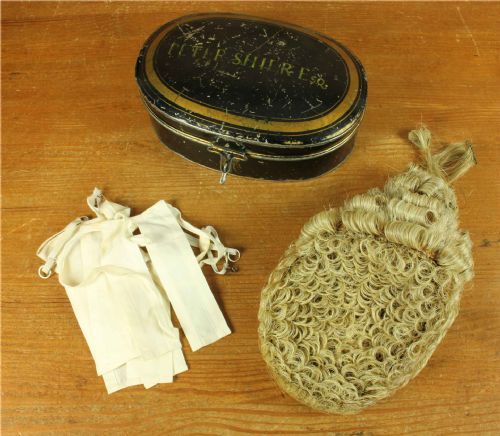
A black tin box encompasses toleware storage tins, legal document boxes, and military hat containers originating from the Georgian, Victorian, and early 20th century periods. Buyers seeking a black tin box will encounter painted metal vessels designed for practical tasks like storing wigs, documents, hats, and spices.
The objects appearing on this page span several specific forms, including barristers' wig tins, solicitor document containers, military bicorn hat boxes, and folk art barge wear log boxes. These pieces reflect the functional needs of professionals, the military, and domestic households from the nineteenth century onward.
Originating predominantly from English workshops, these items utilise durable sheet iron and metal painted surfaces. Collectors find both plain utility pieces and decorated examples featuring gold leaf or folk art motifs.
How they were made
Construction relies on sheet iron and tin, formed into rigid storage vessels designed to withstand heavy daily use. Makers applied paint, lacquer, and occasionally gold leaf to finish the exterior surfaces and protect the metal underneath.
Specialised examples incorporate interior elements such as brass fittings, wooden trays, and horsehair padding to secure delicate contents like legal wigs and military headwear. The combination of durable metal bodies with painted finishes defines the manufacturing approach of these nineteenth and early twentieth-century pieces.
Black Tin Box Retail Price Guide 2026
Typical asking prices for black tin box among the pieces listed under this phrase on Sellingantiques today, from the lower quarter to the upper quarter. They describe what is for sale here now, not the wider market.
Listings feature items from the Georgian period through the 1930s, utilising tin, sheet iron, brass, and paint.
What varies in quality
Quality separates plain utilitarian storage from pieces bearing maker details, high-grade paintwork, or specialised internal fittings. Examples retaining original gold leaf decoration, fitted trays, and named provenance sit above standard unadorned containers.
The survival of original painted surfaces, lacquered finishes, and structural integrity without heavy corrosion dictates the standing of individual pieces. Craftsmanship appears in the precision of the metal forming and the retention of complete sets, such as multi-compartment boxes or nesting trays.
Eade & Son·Ravenscroft Law·Hawkes & Co
The Black Tin Box Glossary
- Toleware
- Painted or lacquered sheet metal ware, often associated with domestic and utilitarian containers from the Georgian and Victorian eras.
- Bicorn
- A historical cocked hat form associated with military and official dress, requiring specialised shaped storage tins.
- Folk art
- Decorative painting and utilitarian making traditions created by rural or self-taught artisans, seen in items like barge wear log boxes.
- Legal collectables
- Artefacts related to the legal profession, including wig cases and solicitor document tins.
Black Tin Box: Frequently Asked Questions
What were these tins originally used for?
These metal boxes served practical purposes such as transporting and protecting barristers' wigs, storing solicitor documents, and keeping military headwear safe from damage.
Built for professional, military, and domestic environments, they provided secure storage for items requiring protection against dust and moisture.
How do I date a black tin box?
Dating relies on stylistic clues, construction techniques, and any associated maker marks or named provenance found on the piece.
Georgian, Victorian, and early twentieth-century examples display shifts in paint finish, hardware, and the specific professional or military use they served.
Can I use them for modern storage?
These sturdy metal containers adapt well to contemporary interiors for organising documents, accessories, or household items.
Their robust sheet iron and toleware construction ensures they remain functional storage pieces while displaying historical character.