




Black Taxidermy Mount
These black taxidermy mount examples bring dark, dramatic natural history forms into a room with striking presence.
Black Taxidermy Mount
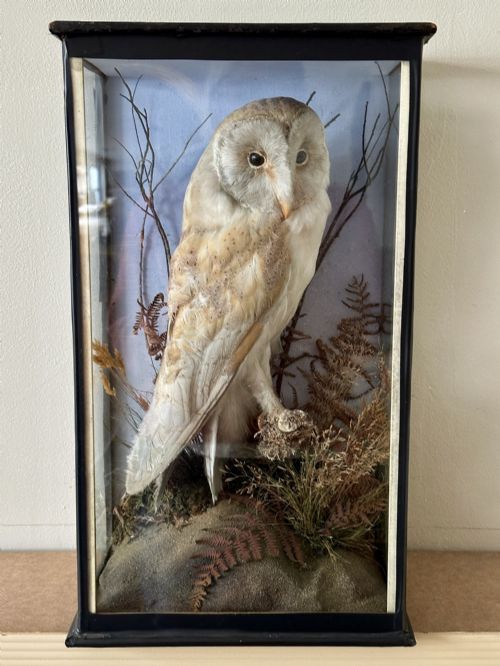
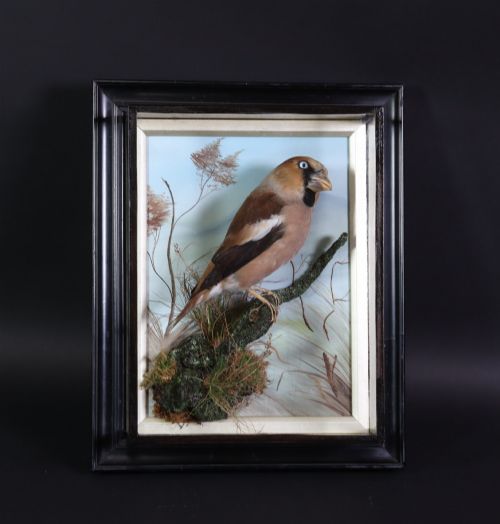
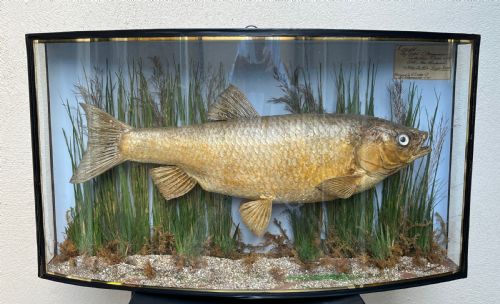
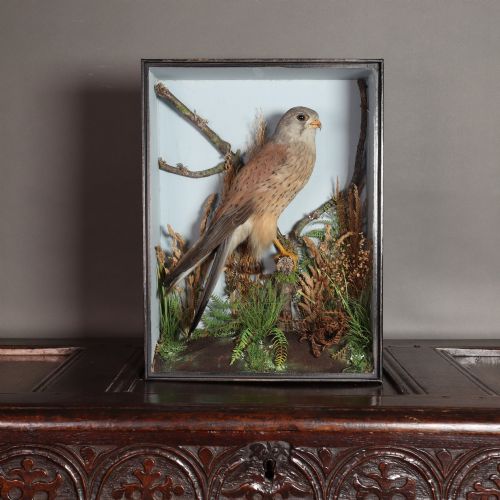
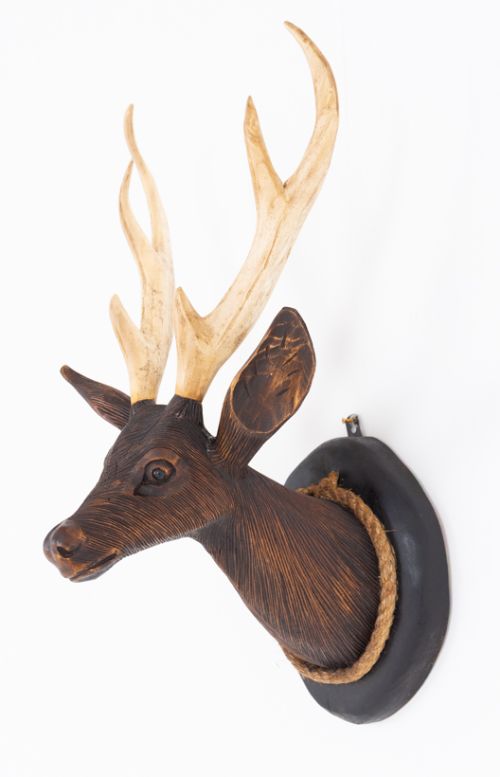
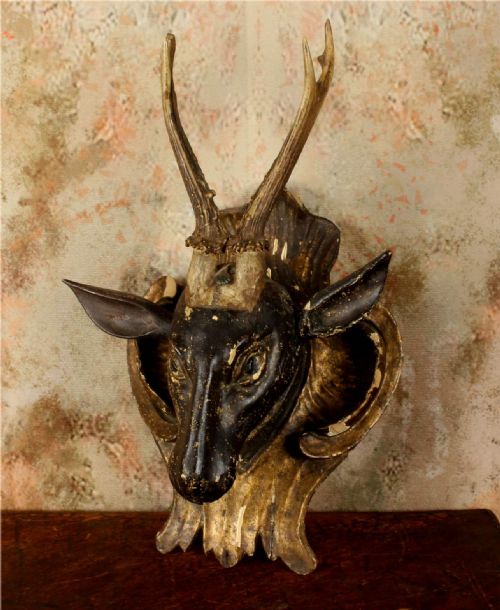
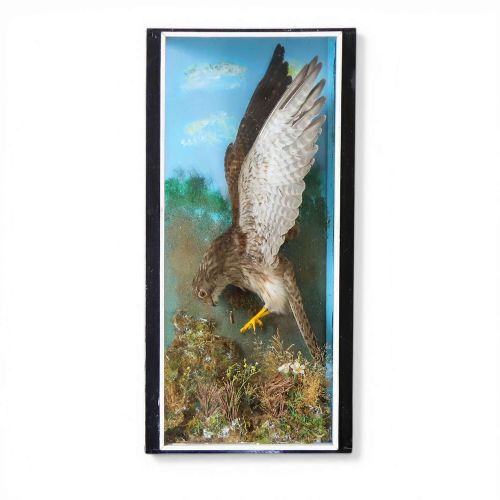
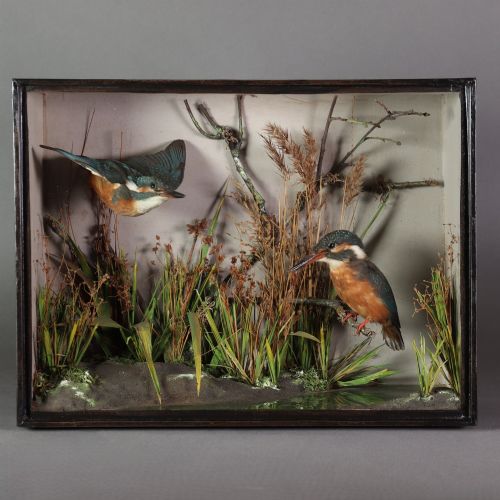
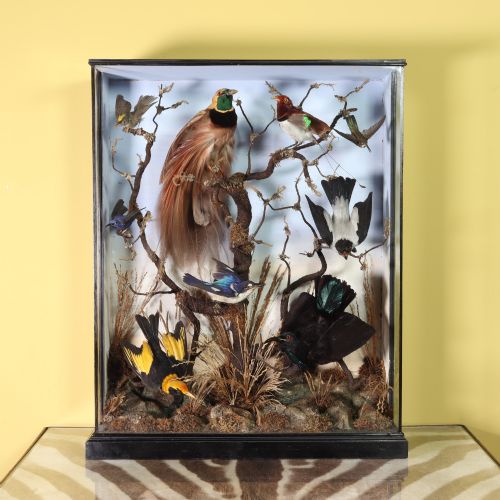
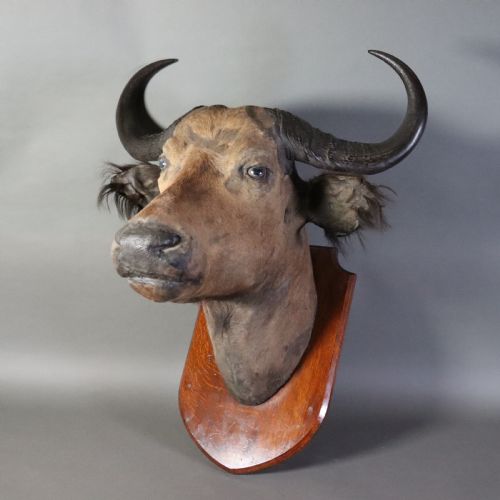
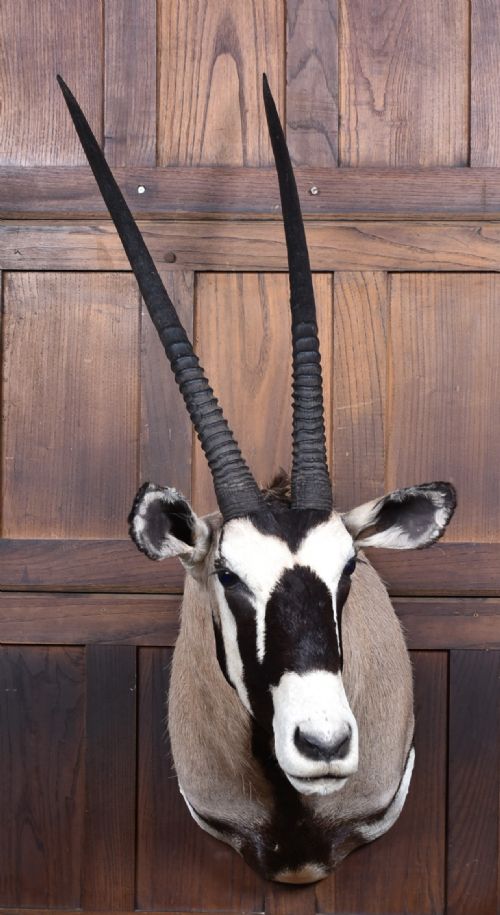
A black taxidermy mount groups preserved specimens and horns set upon carved wood shields or housed inside glass display cases. These objects span the Victorian, Edwardian, and early twentieth century periods, reflecting a long history of interior natural history display.
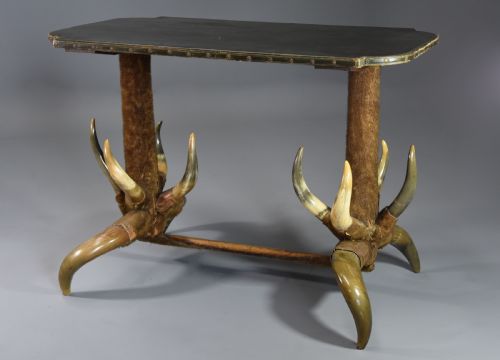
Most pieces encountered here take the form of wall trophies, bird specimens in cases, or practical items such as horn tables and coat racks. The selection relies heavily on nineteenth and early twentieth century craftsmanship from British and Continental makers.
Materials and construction methods
Makers shaped these pieces using natural materials including bone, horn, hide, feathers, and wood such as oak. Preserved specimens and antlers were fixed to carved wooden shields or arranged within glass display cases.
Black Taxidermy Mount Retail Price Guide 2026
Typical asking prices for black taxidermy mount among the pieces listed under this phrase on Sellingantiques today, from the lower quarter to the upper quarter. They describe what is for sale here now, not the wider market.
The listings include specimens set in glass cases, wall-mounted horns, and carved wooden shields spanning the Victorian to early twentieth century periods.
Judging quality in preserved specimens and mounts
Quality rests upon the preservation state of the feathers, hide, and form over decades of exposure. Natural history mounts by known practitioners show superior anatomical accuracy and careful taxidermy technique.
The housing matters just as much as the specimen itself. Original glass cases, painted backdrops, and deeply carved wooden shields distinguish finer workshop pieces from simpler decorative items.
Little and Co·J Griffiths of Burford·T E Gunn·Gerrard and Sons London·Hutchings of Aberystwyth·W F Homer London·J Cooper and Sons
The Black Taxidermy Mount Glossary
- Taxidermy mount
- The art of preserving and positioning animal specimens for display. These pieces often include birds, fish, or mammalian heads fixed to walls or set on surfaces.
- Diorama
- A three-dimensional scene enclosed within a glass case. These settings frequently feature painted backgrounds to mimic natural habitats.
- Black Forest style
- A distinctive decorative woodcarving tradition originating in central Europe. Pieces in this style often depict forest animals such as stags and bears.
- Trophy
- An animal head or horns mounted on a shield to commemorate a hunt. These objects served as prominent wall decorations in nineteenth-century interiors.
- Shield
- A carved wooden backplate shaped to support mounted horns or animal heads. They range from simple geometric timber boards to deeply carved foliage designs.
Black Taxidermy Mount: Frequently Asked Questions
How do I care for antique taxidermy?
Keep mounted specimens away from direct sunlight and damp conditions to protect feathers, hair, and hide from deterioration.
Dust glass cases gently with a soft cloth and avoid chemical cleaning agents on the historic wooden shields and horns.
Are these mounts from the Victorian period?
Many examples date from the Victorian and Edwardian eras, spanning the late nineteenth into the early twentieth century.
Some pieces reflect specific regional traditions like Black Forest carving or work by prominent London taxidermists.
How were horn tables used historically?
Large animal horns were repurposed into functional furniture such as side tables, chairs, and coat racks during the nineteenth century.
These utilitarian items brought natural history aesthetics into domestic hallways and studies.
What is a taxidermy diorama?
A diorama encloses preserved birds or fish within a glass-fronted case alongside painted backgrounds and artificial foliage.
This method protected fragile specimens from dust and created a miniature natural habitat for display.