



Black Shade Standard Lamp
A black shade standard lamp provides vertical illumination while anchoring a room with dark tones and sculptural presence.
Black Shade Standard Lamp
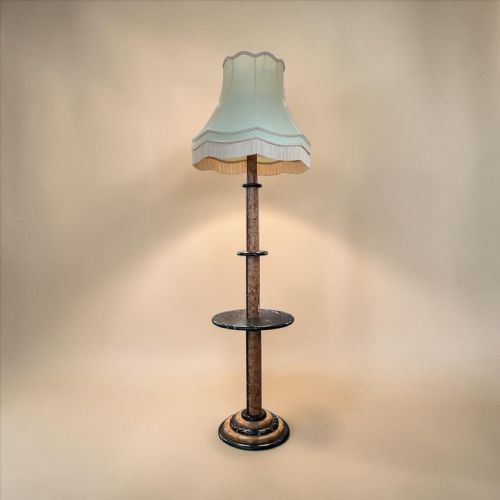
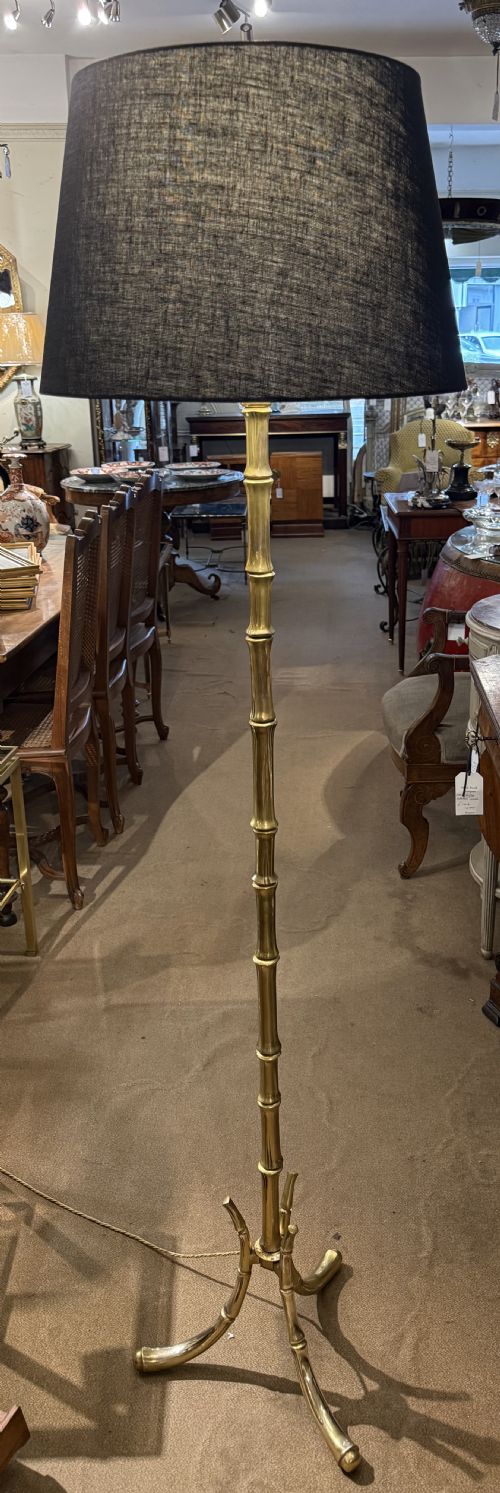
When you search for a black shade standard lamp, you find floor-standing lighting fixtures that combine upright supports with dark fabric or painted shades. These pieces range from Victorian wrought iron telescopic designs to 1920s black lacquered examples featuring Chinoiserie decoration.
The versions most likely to meet you on this page date from the nineteenth century through the 1930s. They appear in forms such as standard lamps, floor lamps, and occasional variations incorporating marble or gilt wood.
Makers and styles span several decades, encompassing Edwardian Chinoiserie, Neoclassical brass work, and Art Deco interpretations. Each piece brings functional height and a distinct silhouette to interior spaces.
How they were made
Construction relies on structural materials such as wrought iron, brass, mahogany, and lacquered wood, often paired with marble bases or gilt details for added weight and balance. Telescopic mechanisms and adjustable arms permit height and directional changes.
Surface decoration frequently involves hand-applied lacquer and Chinoiserie motifs, alongside inlaid woodwork seen in Hoshiarpur pieces. Fabric shades complete the assembly, sometimes featuring handmade embroidery or silk.
Black Shade Standard Lamp Retail Price Guide 2026
Typical asking prices for black shade standard lamp among the pieces listed under this phrase on Sellingantiques today, from the lower quarter to the upper quarter. They describe what is for sale here now, not the wider market.
Object forms recorded on this page include floor lamps, standard lamps, and table lamps styled in Chinoiserie, Neoclassical, and Art Deco designs.
What varies in quality
Quality rests in the integrity of the materials, from heavy solid marble and cast brass to finely applied lacquer work. The precision of mechanical joints, such as telescopic adjustments and swivel arms, separates standard production from superior examples.
Artistic execution dictates the upper tier of the range, visible in hand-painted Chinoiserie details and intricate inlay rather than plain finishes. The harmony between the base and the accompanying handmade shade defines the overall success of the piece.
Maison Bagues·Hoshiarpur
The Black Shade Standard Lamp Glossary
- Telescopic
- Describing a standard lamp with a sliding shaft that adjusts in height. This mechanism allows the owner to alter the vertical reach of the light source.
- Chinoiserie
- European interpretation of Chinese and East Asian artistic traditions. It appears on lacquered wooden shafts and decorative panels.
- Bouillotte
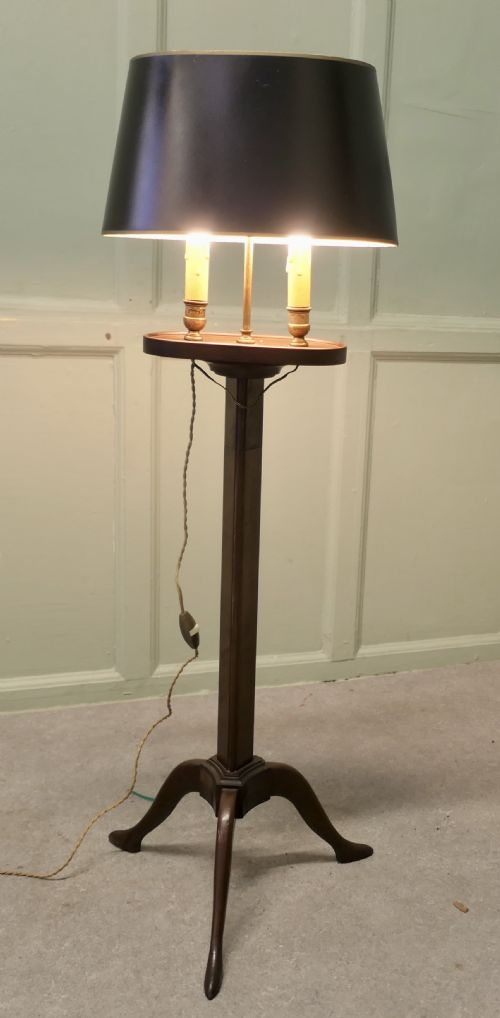
- A style of lamp originally designed for card games, featuring an adjustable metal shade on a central pillar. These often incorporate twin candle arms.
- Hoshiarpur
- A tradition of intricate wooden inlay originating from the Punjab region, utilising materials like brass and bone set into dark timber. Pieces from this tradition possess a distinct geometric texture.
- Gilt wood
- Timber treated with gold leaf or gold paint to simulate solid gold. This technique highlights carved details on tall lamp bases.
Black Shade Standard Lamp: Frequently Asked Questions
Where should I place a black shade standard lamp?
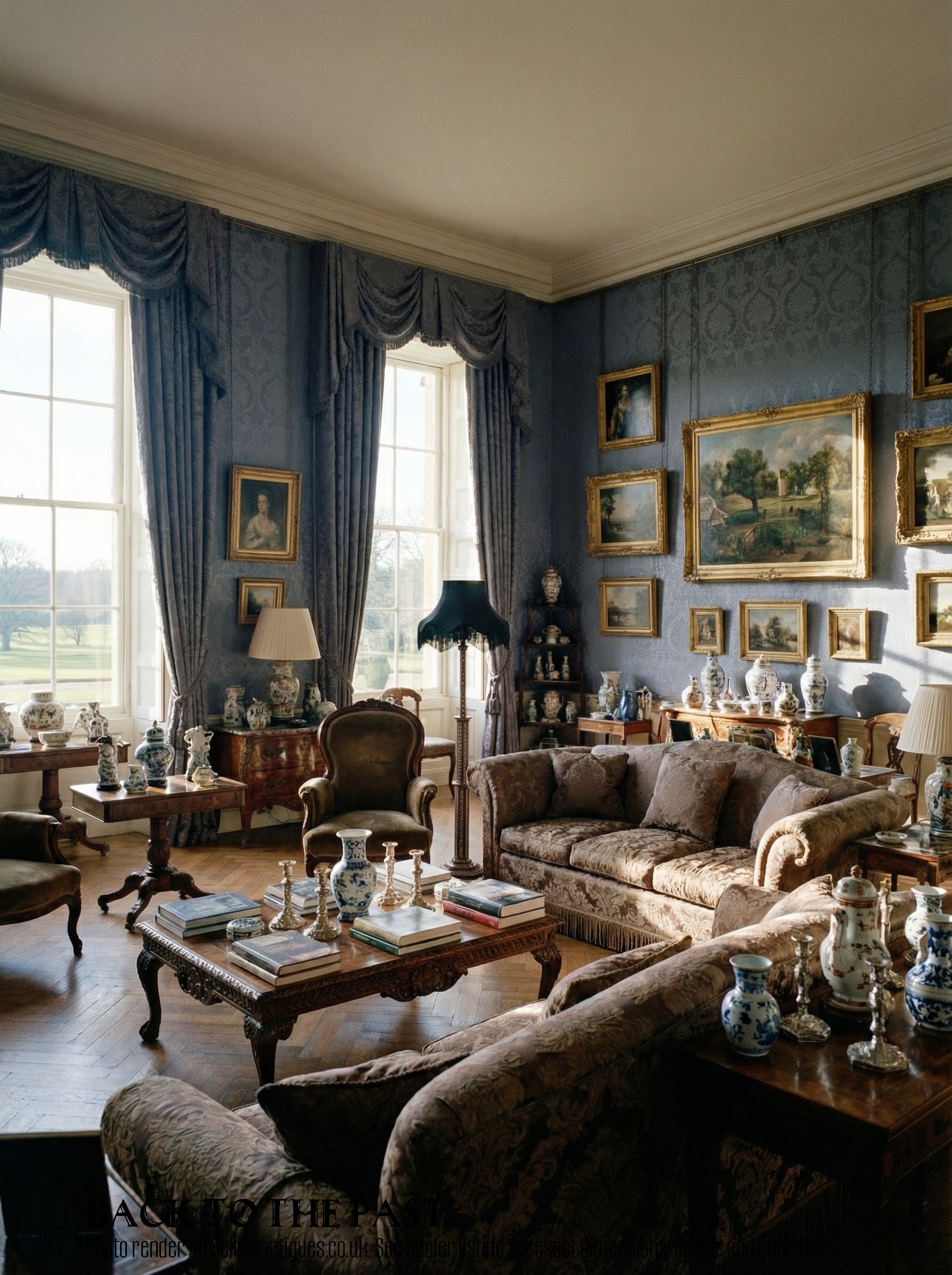
These lamps function effectively in corners or beside seating areas where downward, directional light is required. The dark shade concentrates the beam rather than casting a wide ambient glow.
Ensure the heavy base, whether marble or cast iron, sits on a stable floor surface. Keep the flex clear of foot traffic to protect the vintage wiring.
How do I care for lacquered wood?
Lacquered surfaces require gentle dusting with a soft, dry cloth to prevent micro-scratching. Avoid modern chemical sprays and abrasive polishes that strip historical finishes.
Direct sunlight can cause dark lacquer to fade unevenly over time. Position the lamp away from unshaded windows to preserve the depth of the finish.
What period do wrought iron standard lamps belong to?
Wrought iron standards appear frequently across the Victorian era and into the early twentieth century. These pieces often feature hand-forged scrollwork and functional telescopic adjustments.
The metalwork displays tool marks and variations characteristic of manual smithing. These details help distinguish nineteenth-century examples from later reproductions.