

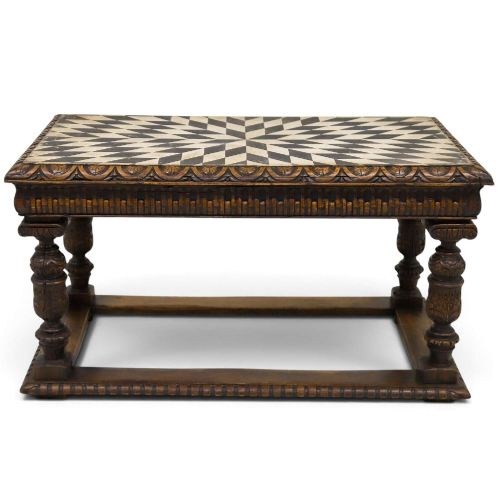
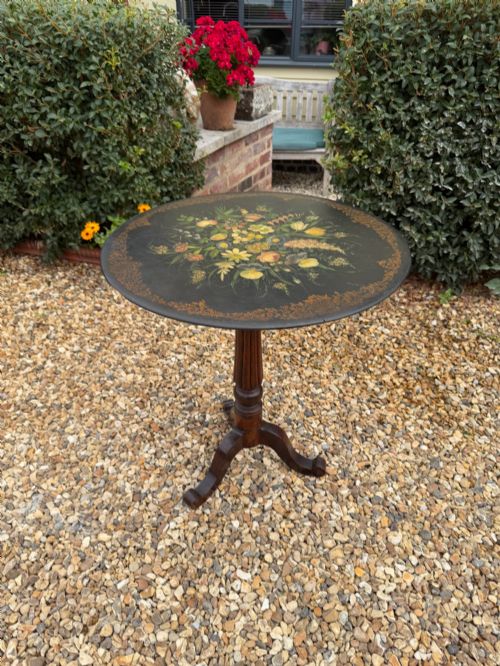
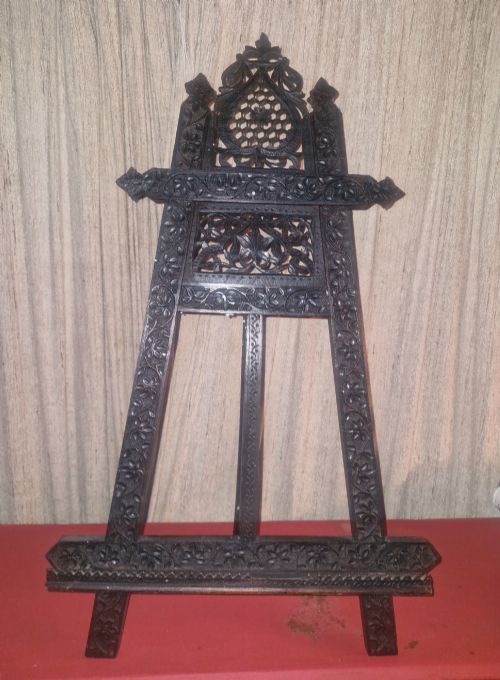
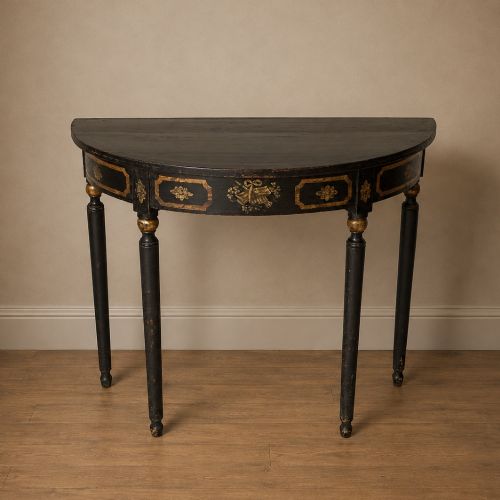




Black Painted Wood Table
A black painted wood table brings dark tone and formal presence to a room, ranging from console tables to occasional tables.
Black Painted Wood Table
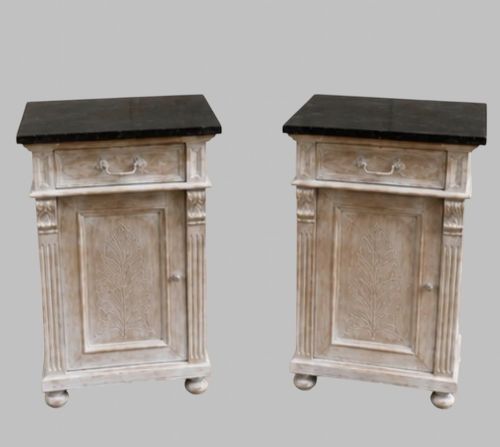
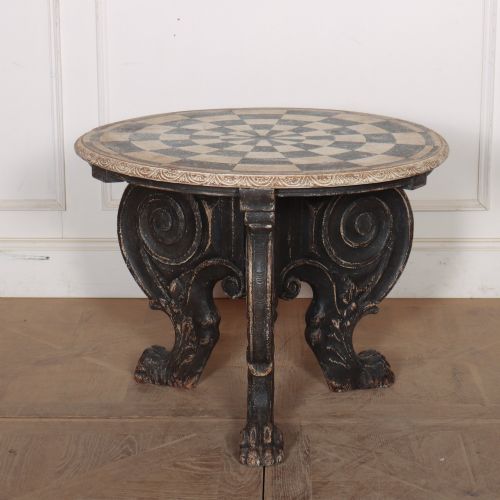
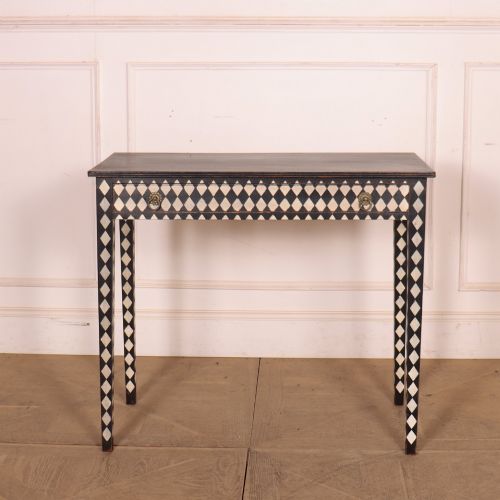
When you search for a black painted wood table, you encounter a diverse group of surfaces finished in dark paint, lacquer, or ebonised wood. The selection spans console tables, side tables, coffee tables, and lamp tables across various historic periods.
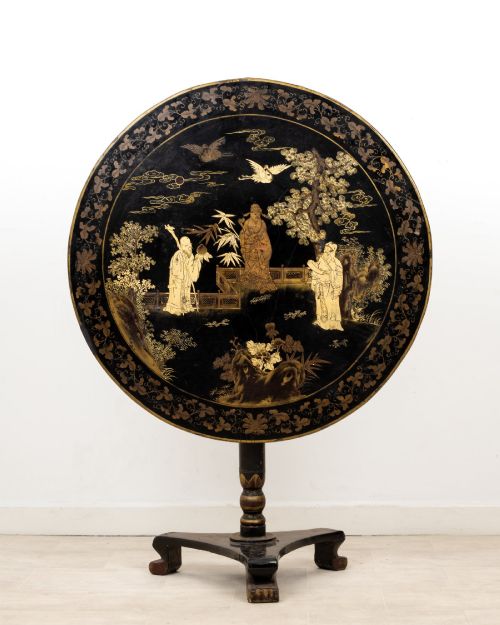
The most common forms on this page include console tables and occasional tables from the nineteenth century, alongside later pieces in Chinoiserie and Regency styles. These examples demonstrate how dark finishes were applied to timber frames to create striking silhouettes.
Originating from English, French, and Chinese workshops, these tables incorporate decorative elements such as parcel gilt, painted motifs, and slate tops. Each piece reflects the aesthetic preferences of its era, from Victorian formality to Anglo-Indian design.
How they were made
Carpenters and cabinet makers constructed these frames using traditional timbers like pine, beech, and oak, often shaping them into demilune, rectangular, or occasional forms. Surfaces were then prepared for decorative finishes through smoothing and priming.
The distinctive black appearance is achieved through layers of dark paint, lacquer, or ebonised wood treatments, sometimes enhanced with gold leaf and parcel gilt highlights. Artisans in Chinese and European workshops applied these finishes by hand to create durable and lustrous exteriors.
Black Painted Wood Table Retail Price Guide 2026
Typical asking prices for black painted wood table among the pieces listed under this phrase on Sellingantiques today, from the lower quarter to the upper quarter. They describe what is for sale here now, not the wider market.
Listings feature painted wood, lacquer, and ebonised timber across console tables, occasional tables, and bedside cabinets.
What varies in quality
The standard of a black painted wood table depends on the precision of the underlying carpentry and the depth of the finish. Superior examples display carefully carved details, stable joints, and well-preserved paint or lacquer surfaces.
Finishing techniques distinguish everyday items from exceptional works, particularly where hand-applied gold leaf, porcelain plaques, or intricate Chinoiserie scenes are integrated. The integrity of the timber beneath the dark coating remains central to the durability and overall presence of the table.
The Black Painted Wood Table Glossary
- Ebonised wood
- Timber treated with stains, dyes, or polish to imitate dense, dark ebony. This technique was particularly popular during the Victorian and Napoleon III periods for achieving a formal black sheen.
- Chinoiserie
- European decorative style reflecting Chinese artistic influences, frequently featuring painted motifs on lacquered backgrounds. It appears on cabinets, occasional tables, and screens from the nineteenth and early twentieth centuries.
- Demi-lune
- A half-moon shaped furniture form, commonly seen in console tables designed to sit flat against a wall. This profile allows the table to occupy minimal floor space while providing a useful surface.
- Parcel gilt
- Woodwork embellished with small areas of gold leaf applied over a base paint or lacquer. This technique accentuates carved details and mouldings.
- Occasional table
- A small, movable table designed for specific, intermittent use within a room. These pieces include tilt-top designs and lamp tables.
- Low boy
- A small English table with drawers, typically raised on four legs, dating back to the eighteenth century. It served various domestic functions before evolving into specialised side furniture.
Black Painted Wood Table: Frequently Asked Questions
What is a black painted wood table?
A black painted wood table is a surface finished with dark paint, lacquer, or ebonised treatment, encompassing console, side, and coffee table forms. These pieces range from eighteenth-century low boys to nineteenth-century Regency and Victorian designs.
Such tables derive their character from the interaction between the dark finish and underlying timber or carved details. They provide functional surfaces while introducing strong tonal contrast to interior spaces.
How do I date a black painted table?
Dating relies on observing the structural form, joinery methods, and the style of the painted or lacquered decoration. Pieces from the eighteenth century often show simpler, utilitarian lines, whereas nineteenth-century examples may incorporate Regency or Victorian revival motifs.
Examining the materials underneath the paint, such as pine, oak, or beech, helps confirm the period of manufacture. Stylistic markers like Chinoiserie scenes or ebonised surfaces further narrow down the decade.
Where should I place a console table?
Console tables are traditionally positioned against hallway walls, beneath mirrors, or in living rooms to display lamps and decorative objects. Their shallow profile makes them suitable for narrow circulation spaces.
Pairing a console table with a wall-mounted mirror or painting creates a balanced focal point in an interior. They offer surface area without obstructing movement through a room.
How do I care for lacquered wood?
Lacquered and painted surfaces require dusting with a soft, dry cloth to prevent abrasive particles from accumulating. Moisture and direct sunlight should be avoided to protect the integrity of the finish.
Polishing should be done sparingly and only with products suited to historic painted or lacquered items. Gentle maintenance preserves both the sheen and the decorative details.