



Black Iron Lighting
Black iron lighting brings weight and structural character to a room, offering functional illumination shaped by centuries of metalwork traditions.
Black Iron Lighting
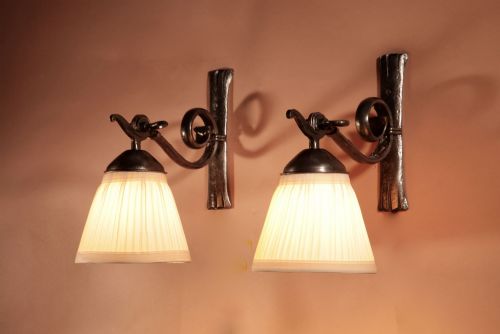
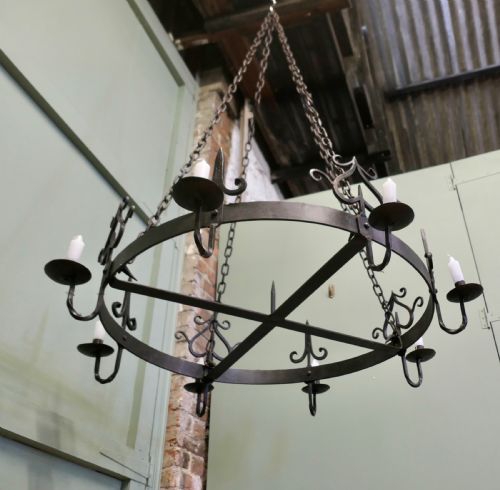
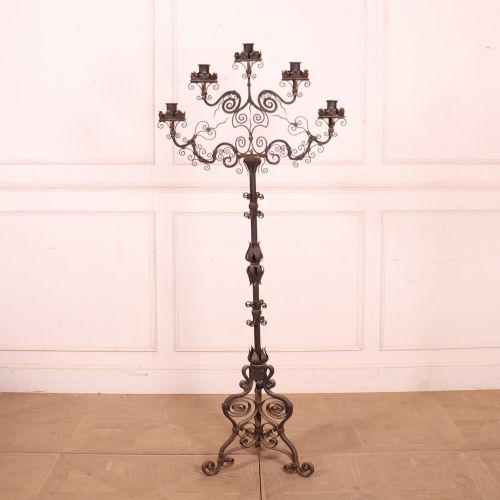
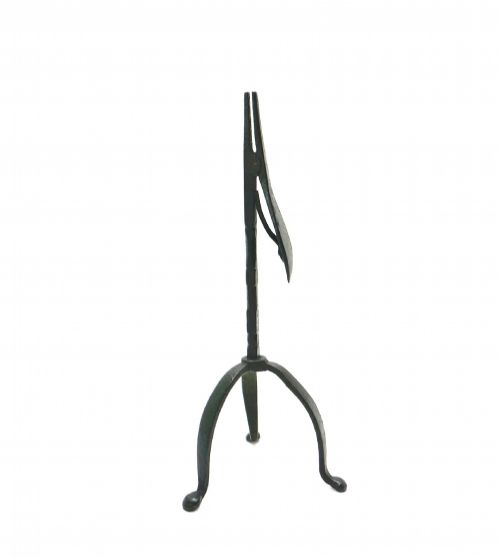
Black iron lighting encompasses heavy utilitarian objects, decorative chandeliers, and adjustable floor lamps designed to hold candles, oil, or electricity. These pieces range from early floor-standing rushlight holders to industrial factory pendants and exterior lanterns.
The selection leans heavily toward wrought iron and cast iron variants originating from the eighteenth, nineteenth, and early twentieth centuries. Domestic and industrial applications appear side by side, spanning styles from Gothic Revival to Art Deco.
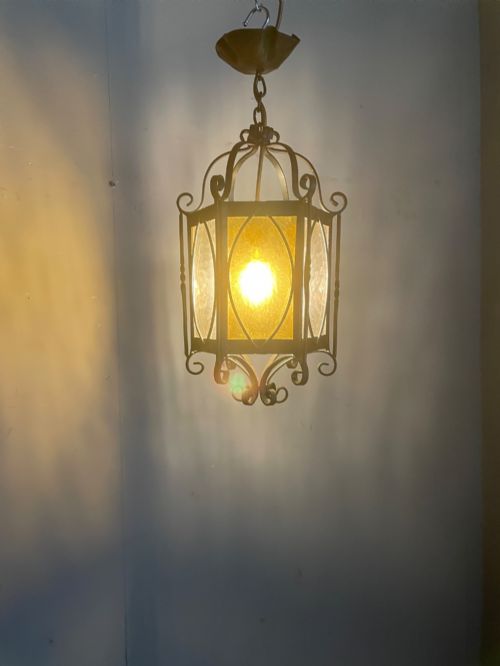
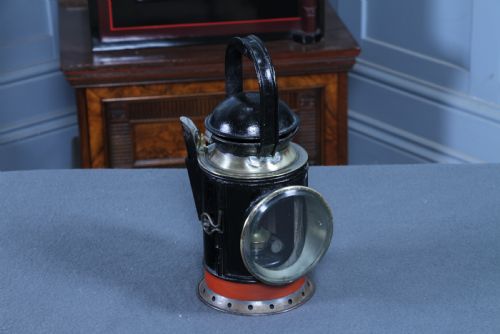
Buyers encounter everything from heavy castle wall brackets and railway hand lamps to delicate French table lamps. Floor lamps with telescopic arms and hall lanterns with glazed panels also recur frequently.
Materials and construction
Black iron lighting relies on forged wrought iron and moulded cast iron, often combined with brass, copper, or glass components. Blacksmiths shaped wrought iron by hand while hot, producing visible hammer marks and directional grain.
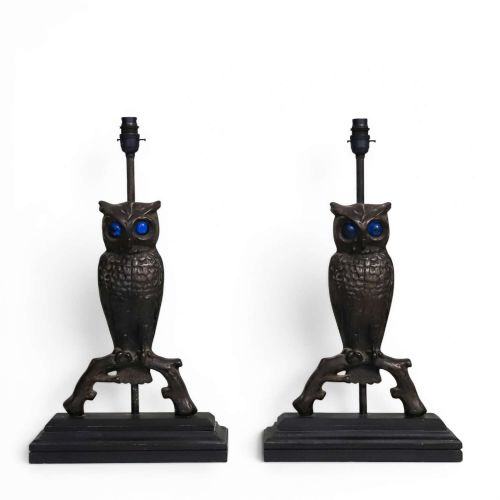
Cast iron pieces utilised moulds to create uniform shapes, intricate decorative motifs, and sturdy structural bases. Many surviving domestic examples began life as functional items like andirons or railway equipment before undergoing conversion to electric lamps.
Black Iron Lighting Retail Price Guide 2026
Typical asking prices for black iron lighting among the pieces listed under this phrase on Sellingantiques today, from the lower quarter to the upper quarter. They describe what is for sale here now, not the wider market.
The listings span eight distinct periods, from the 17th century through to the 1940s, encompassing Gothic Revival, Arts and Crafts, and Art Deco styles.
Distinctions in craftsmanship
Quality rests on the integrity of the blacksmith's hand or the precision of the foundry cast, alongside the preservation of original surfaces. Early forged pieces demonstrate purposeful manipulation of hot metal, whereas mass-produced industrial items rely on clean utilitarian assembly.
The presence of secondary materials such as stained glass, cut glass, or patinated brass alters the visual weight of an object. Alterations and conversions, such as electrified oil lamps or repurposed brackets, reflect practical adaptations across different eras.
REVO·Degue·Daris·Hugo Berger Goberg
The Black Iron Lighting Glossary
- Wrought iron
- Iron beaten and shaped by hand while hot, identifiable by fibrous textures and subtle irregularities. This material allows for strong, slender structural arms.
- Cast iron
- Molten iron poured into a mould to set, producing complex shapes and heavier structural components. It provides rigidity for large bases and architectural lanterns.
- Rushlight holder
- A spring-action clip device designed to grip a dried rush dipped in animal fat for simple illumination. These early utilitarian objects often feature tripod bases.
- Torchère
- A tall ornamental stand or candlestick designed to support a light source at a high level. They frequently appear in heavy iron configurations for domestic interiors.
- Pricket stick
- A candlestick featuring an upward-pointing metal spike that secures a thick candle directly onto the top plate. This traditional format appears across ecclesiastical and secular domestic settings.
Black Iron Lighting: Frequently Asked Questions
How do I mount a heavy iron wall lantern safely?
Heavy iron wall lights require direct anchorage into solid masonry or substantial internal timber framing due to their considerable weight. Professional installation ensures the mounting bracket securely bears the combined load of the metal frame and glass panels.
Positioning the fixture at an appropriate height protects the metalwork from accidental knocks while providing balanced illumination in hallways or porches.
Can converted railway lamps be used indoors?
Railway lamps and industrial fixtures adapt well to domestic interiors when wired for standard household electrical circuits. Their robust construction brings distinct industrial character to modern living spaces.
Placing these items on desks or side tables highlights their original utilitarian function while offering functional task lighting.
How should I clean antique black iron surfaces?
Dusting with a dry, soft cloth prevents the accumulation of grime without disturbing the historic patination of the metal. Avoid abrasive cleaners or chemical polishes that strip away the protective dark finish.
Applying a light microcrystalline wax occasionally helps protect wrought and cast iron surfaces from moisture in unheated environments.
What defines Art Deco black iron lighting?
Art Deco lighting in iron often pairs geometric metal frames with coloured or frosted glass panels, as seen in French table lamps. These designs emphasise clean lines and symmetrical patterns influenced by the interwar period.
The integration of wrought iron bases with decorative glass shades creates a striking contrast between heavy metal and luminous glass.