



Black Glass Base
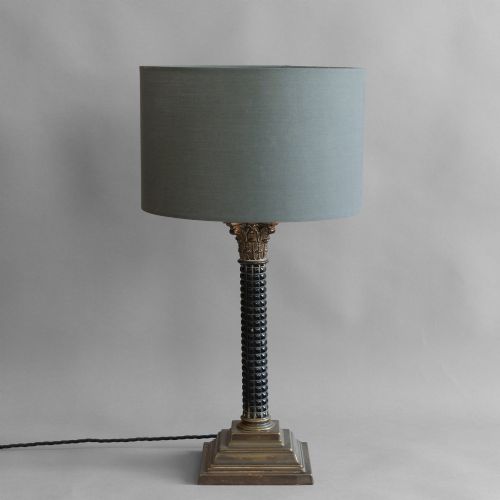
A black glass base anchors table lamps, clocks and display domes with a dark, reflective weight that draws the eye downward.
Black Glass Base
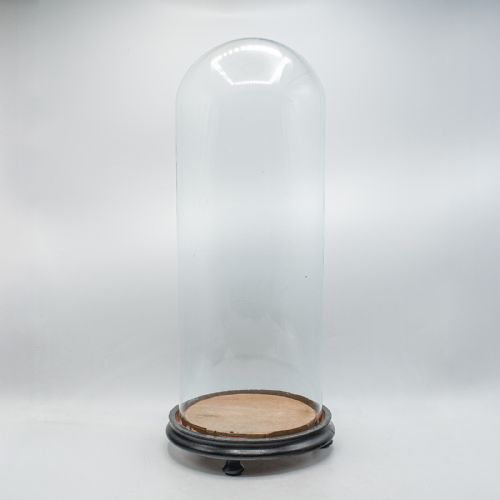
Items featuring a black glass base appear across Victorian and Art Deco periods, frequently taking the form of oil lamps, desk lighting, and clock plinths. The evidence shows these dense, dark foundations supporting glass display domes, taxidermy showcases, and specialised lighting fixtures from the nineteenth and early twentieth centuries.
Buyers seeking this specific configuration will most commonly encounter Victorian oil lamps and display containers alongside 1930s lighting designs. The combination provides a stable, light-absorbing platform that heightens the presence of the objects mounted above it.
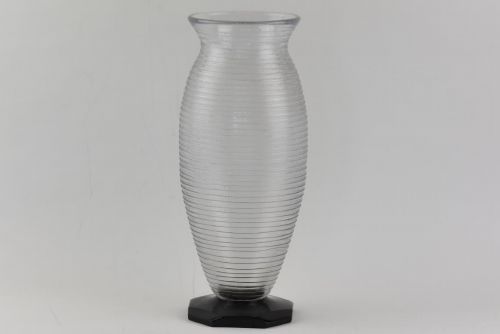
Makers utilise these opaque dark supports to create visual contrast against polished brass, clear blown crystal, and mounted specimens. The selection spans several decades of domestic manufacture, linking heavy Victorian utilitarian wares with sleek interwar decorative objects.
Materials and construction methods
Makers formed the primary foundation from heavy cast or moulded glass, often pairing the dark material with brass mountings, steel components, and ebonised wood. The manufacturing process required precise temperature control during cooling to ensure the dense glass base remained stable and free of internal stress.
Artisans combined the glass footings with delicate elements like blown crystal vessels, ceramic reservoirs, and patinated bronze figures. Structural integrity relied on threaded metal rods or secure collars that joined the heavy glass base to the upper functional body.
Black Glass Base Retail Price Guide 2026
Typical asking prices for black glass base among the pieces listed under this phrase on Sellingantiques today, from the lower quarter to the upper quarter. They describe what is for sale here now, not the wider market.
Listings feature items spanning the Victorian era through the 1930s Art Deco period, utilising glass, brass, ebonised wood, and steel.
Distinctions in quality
Superior examples display deep, uniform coloration throughout the glass without distracting surface bubbles, swirl marks, or dull patches from heavy abrasion. The weight and thickness of the material dictate stability, separating robust commercial pieces from lighter, more vulnerable items.
Craftsmanship shows in the precision of the seating where the glass meets metal collars, ceramic bodies, or wooden mounts. Finer pieces maintain crisp moulding edges and retain original hardware rather than modern replacement fasteners.
Eileen Grey·P M Favre·Val Saint Lambert·Karl Palda
The Black Glass Base Glossary
- Cloche
- A bell-shaped glass cover designed to protect delicate items or specimens. It rests directly upon the supportive base, enclosing the display in a dust-free environment.
- Ebonised
- Wood treated to resemble expensive ebony through staining or painting. This dark finish frequently complements the tone of an adjacent glass foundation.
- Spelter
- A zinc alloy cast into decorative figures andlamp mounts, often painted to resemble bronze. It provides a lighter alternative to brass while maintaining intricate sculptural detail.
- Baccarat
- A renowned French crystal manufacturer known for high clarity and precise cutting. Items from this tradition represent the upper tier of decorative table components.
- Taxidermy showcase
- An enclosed display utilising a glass cover and supportive base to preserve and exhibit natural specimens. These enclosures protect fragile botanical or zoological displays.
Black Glass Base: Frequently Asked Questions
What items sit on a black glass base?
The evidence shows these dark foundations supporting table lamps, oil lamps, clocks, and tall taxidermy display domes. They also anchor specialised decorative items like crystal liquor services and sculptural desk pieces.
Items range from nineteenth-century Victorian utility lighting to 1930s Art Deco desk accessories. Each piece utilises the dense, reflective quality of the dark glass to ground the design.
How do I clean a glass base safely?
Clean the glass surface using a soft, lint-free cloth and mild soapy water to remove accumulated dust without scratching the material. Avoid abrasive pads or harsh chemical cleaners that might damage historical finishes or mounted metal collars.
Take care around older brass or steel fittings attached to the glass. Ensuring moisture does not seep between joined components preserves the structural integrity of the piece.
Are these glass bases solid black?
Most examples utilise dense, opaque black glass that absorbs light and provides a stable, heavy footing for the object above. Some pieces may show deep dark tones when viewed under direct light.
The manufacturing techniques of the Victorian and Art Deco periods created this solid coloration by adding specific metallic oxides to the molten batch before moulding.
How do I date an antique glass base?
Dating relies on the accompanying style, manufacturing methods, and associated objects like oil lamp burners or clock movements. Victorian pieces often feature heavier brass collars and classical proportions, while 1930s items display cleaner Art Deco geometric lines.
Examining the underside for mould seams, pontil marks, or maker signatures helps narrow the period of manufacture. Comparing the form to documented designs from makers like Karl Palda or Val Saint Lambert provides further clarity.