
Black Gilt Framed Artwork
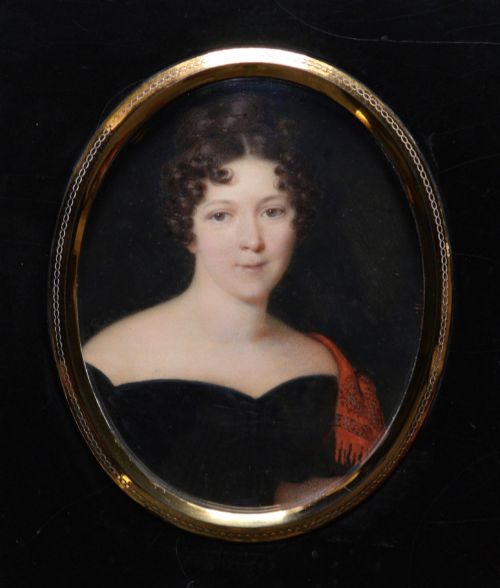
Black gilt framed artwork gathers centuries of portraiture, prints and silhouettes held within dark and gold surrounds.
Black Gilt Framed Artwork
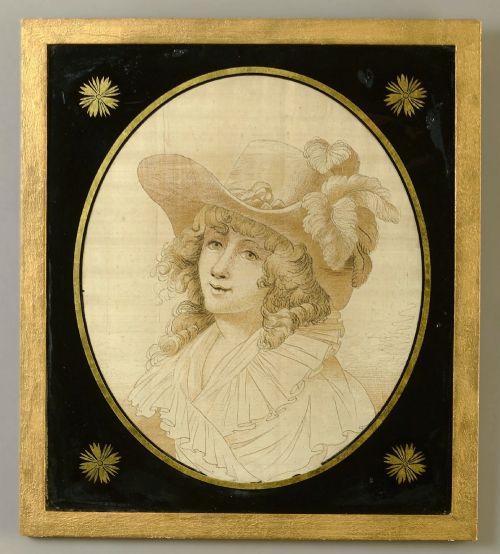
When you search for black gilt framed artwork, you encounter a diverse collection of wall pieces spanning oil paintings, watercolours, etchings, engravings, silhouettes and woven silk panels. These items range from Georgian and Regency creations to Victorian and mid-century works, bringing historical depth to interior spaces.
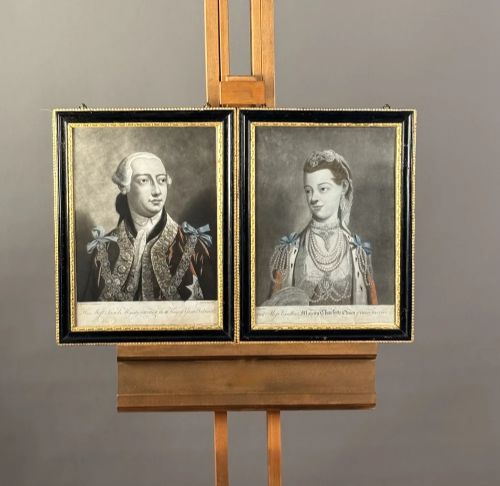
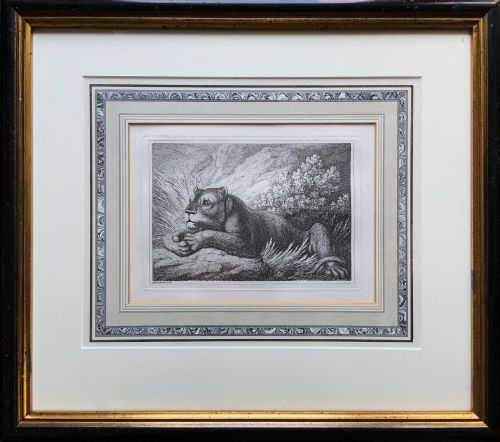
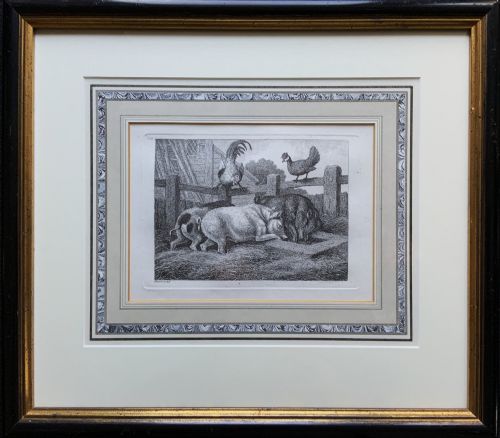
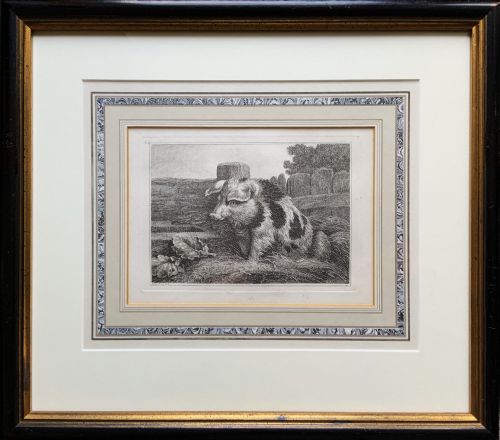
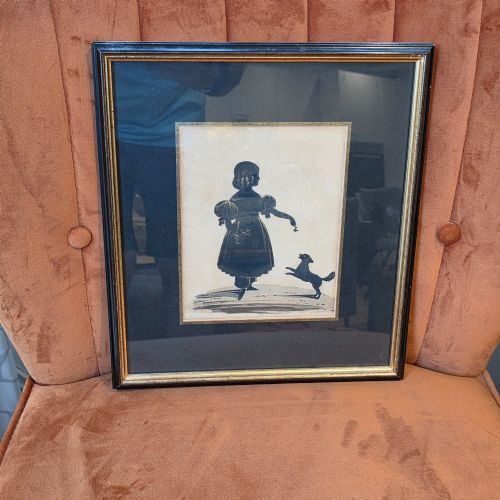
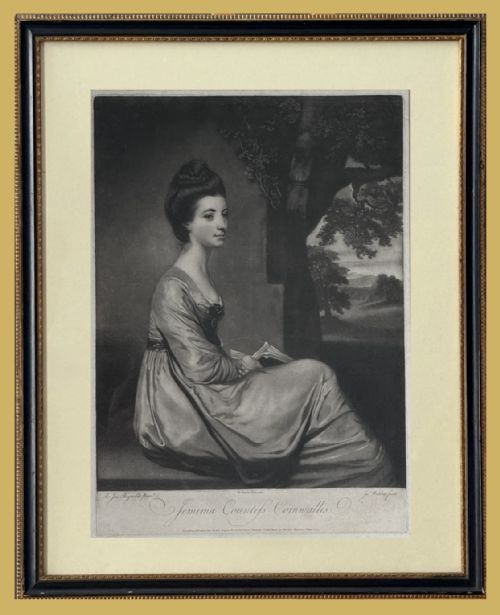
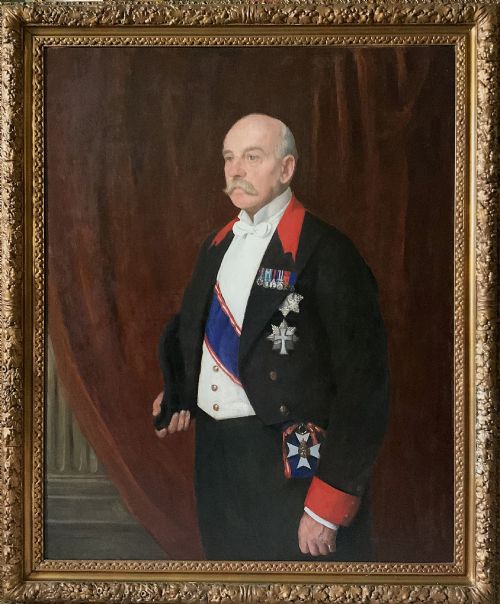
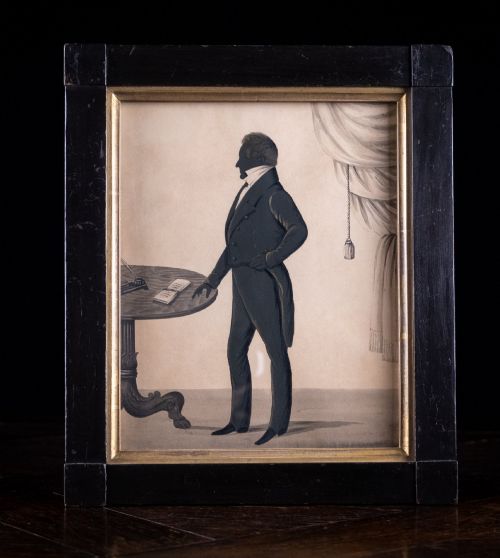
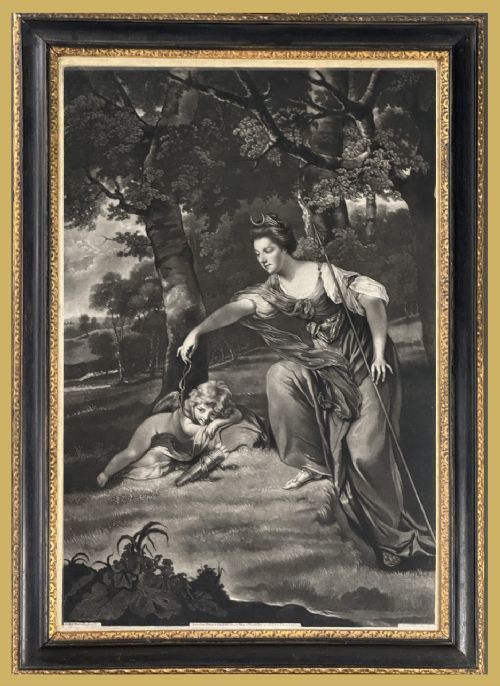
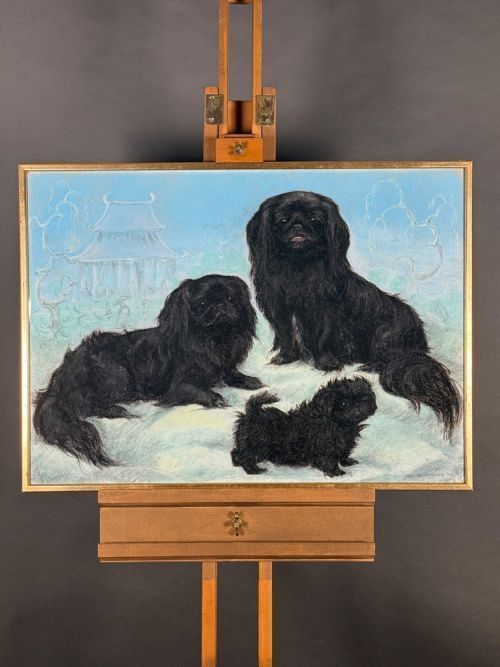
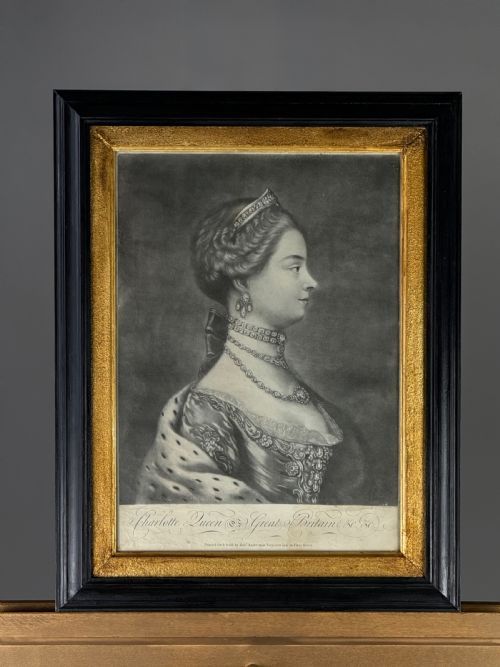
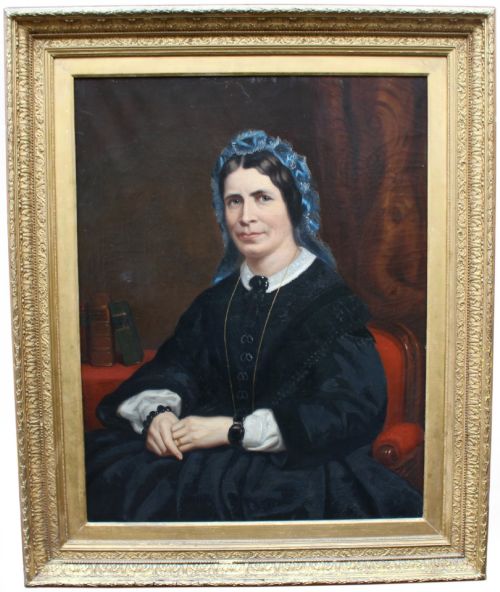
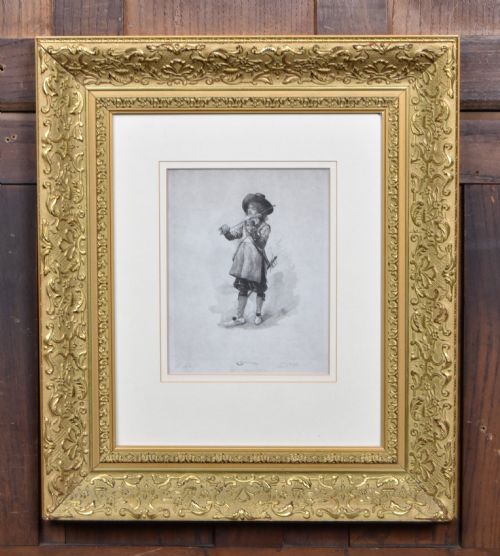
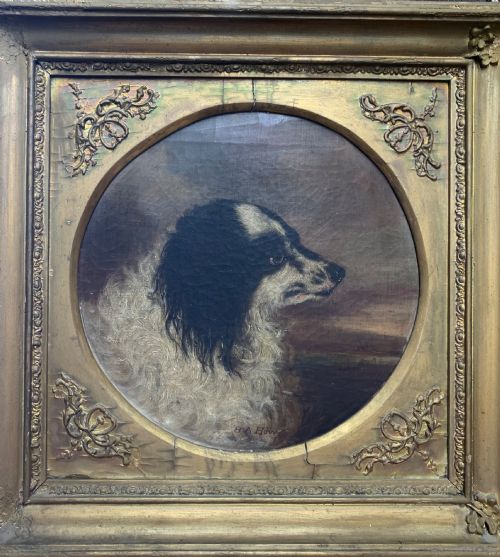
The dominant forms on this page include framed prints, mezzotints, and meticulous cut-paper silhouettes, often encased in dark wood or ebonised surrounds accented with gold leaf. Portraiture forms a major part of the selection, depicting individuals, children and animals from past centuries alongside classical and mythological scenes.
Makers and artists represented across the listings include historical figures such as William James Hubard, William Hogarth and Herbert Dicksee, alongside anonymous folk-art pieces and delicate needlework. Buyers find works executed in ink, pastel, oil on canvas, and gouache, each retaining its original character within a dark and gilded border.
How they were made
The physical construction of these pieces relies on traditional craftsmanship involving paper, glass, wood, and gold leaf applied to create rich contrasts. Artisans utilised oil on canvas, delicate watercolour, ink, and pastel, pairing them with custom frames shaped from timber and finished with gilding.
Printmakers employed copperplate engraving, etching and mezzotint techniques to produce detailed monochrome or hand-coloured editions. Silhouette artists cut paper with precision or painted directly onto card and glass, occasionally incorporating verre églomisé techniques to frame the imagery with gilded borders on glass.
Listings feature paper, glass, wood, gold leaf, and oil on canvas across 18th-century, Regency, and Victorian periods.
What varies in quality
Quality in these works rests upon the fidelity of the draughtsmanship, the precision of the engraving or brushwork, and the preservation of the original medium. Fine hand-colouring, crisp detail in cut-paper profiles, and the sensitivity of portraiture separate standard decorative prints from works by recognised artists and skilled practitioners.
The enclosure itself plays a vital role, with period frames showing distinct craftsmanship through hand-carved mouldings and genuine gold leaf rather than modern synthetic finishes. The integrity of the glass, whether original float glass or historic cylinder glass, alongside stable mounting on paper, silk, or canvas, dictates the overall standard.
William James Hubard·James Watson·Sir Joshua Reynolds·William Hogarth·Herbert Dicksee·Gustave Doré
The Black Gilt Framed Artwork Glossary
- Mezzotint
- A printmaking process of the intaglio family where the plate is roughened to produce dark tones before highlights are scraped away. This technique allows for rich tonal gradations, frequently utilised for 18th-century portraits.
- Verre églomisé
- A cold decoration technique where gold or silver leaf is applied to the reverse of glass and etched or painted before framing. It creates a reflective, decorative border around silhouettes and miniature paintings.
- Silhouette
- A solid black profile portrait, typically cut from paper or painted on card, popularised in the 18th and 19th centuries. These likenesses range from simple amateur cuttings to elaborate gilded works by professional profile artists.
- Etching
- A printmaking method where lines are bitten into a metal plate with acid to hold ink for printing onto paper. Master printmakers used this to achieve fine, expressive linear detail.
- Micromosaic
- Composed of tiny glass tesserae assembled to form intricate pictorial scenes, frequently mounted within plaques and framed for display during the 19th century.
Black Gilt Framed Artwork: Frequently Asked Questions
What periods do these artworks come from?
The pieces span multiple historical eras, with examples originating from the 17th, 18th, 19th, and early 20th centuries. Regency and Victorian items are particularly common.
Buyers encounter various traditional styles including Georgian portraiture, Neoclassical subjects, and Victorian folk art.
How should I hang framed antique art?
Hang these works away from direct sunlight to protect delicate watercolours, paper, and textiles from fading. Stable indoor humidity prevents warping in antique wood and gilt frames.
Ensure wall fixings match the weight of the piece, especially for heavier oil paintings and monumental framed panels.
What subjects are depicted in these works?
Subjects include individual portraits, historical figures, children, animals such as dogs and leopards, and botanical studies. Narrative scenes from literature and classical mythology also appear frequently.
Artisans recorded notable figures alongside anonymous subjects, capturing everyday life and grand military portraits alike.