

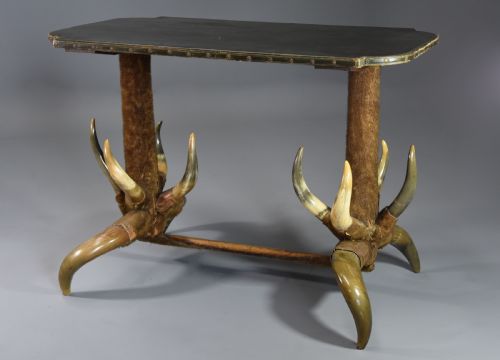


Black Console Desk
These black console desk pieces bring dark, striking surfaces into a room, offering functional writing and display space with genuine period character.
Black Console Desk
A black console desk sits at the intersection of practical writing furniture and decorative display, taking forms such as writing tables, side tables, and console tables. When exploring a black console desk, buyers encounter diverse iterations spanning the eighteenth, nineteenth, and early twentieth centuries.
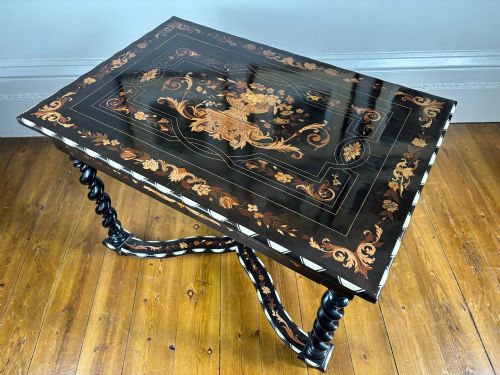
The selection ranges from ebonised wood surfaces and painted finishes to industrial iron bases and elaborate marquetry. Victorian examples sit alongside Dutch Baroque Revival, Spanish Baroque Revival, and industrial designs, offering distinct regional interpretations.
Makers and manufacturers utilised timber, brass, bone inlay, leather, and cast iron to construct these forms. The resulting objects function equally well as writing desks, dressing tables, and central display pieces within traditional or contemporary interiors.
How they were made
Craftsmen built these pieces using solid timbers and applied ebonisation, paint, or polish to achieve dark surfaces. Ebonised wood provides a uniform black finish that mimics expensive ebony, often complemented by contrasting brass or bone inlay.
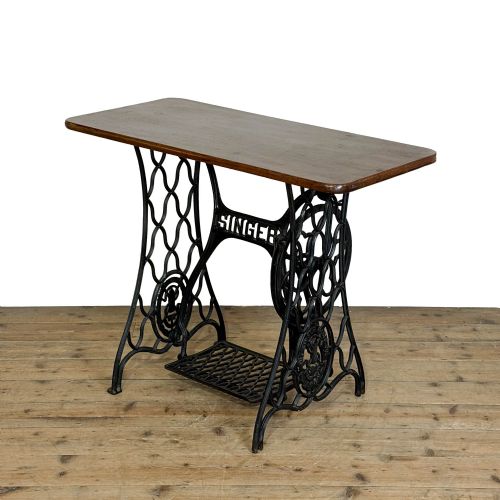
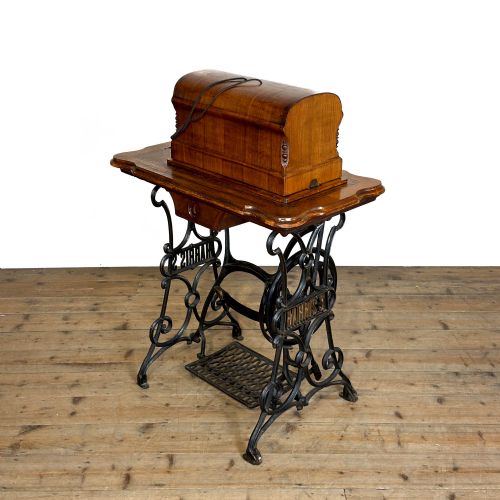
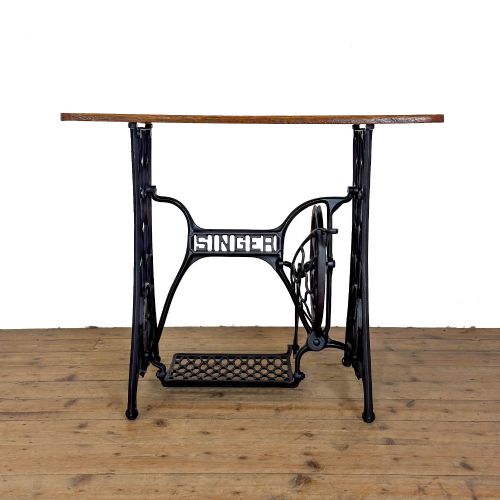
Industrial variants incorporate heavy cast iron bases, such as sewing machine bases and foundry frames, paired with robust wooden tops. Painted examples utilise layered pigments on timber substrates, sometimes incorporating decorative motifs like Chinoiserie.
Black Console Desk Retail Price Guide 2026
Typical asking prices for black console desk among the pieces listed under this phrase on Sellingantiques today, from the lower quarter to the upper quarter. They describe what is for sale here now, not the wider market.
Listings feature pieces spanning the 18th century, Victorian era, and Edwardian period, utilising ebonised wood, cast iron, and bone inlay.
What varies in quality
Quality rests upon the execution of the surface treatment, whether through precise ebonisation, hand-applied paint, or intricate bone inlay and marquetry. Superior examples exhibit refined joinery and well-preserved decorative details that remain intact across the structure.
The integration of materials dictates the overall calibre, distinguishing standard utilitarian pieces from highly decorative parlour or drawing room furniture. Finer specimens maintain original hardware, structural integrity, and thoughtful proportions appropriate to their specific period style.
The Black Console Desk Glossary
- Ebonised wood
- Timber treated with stain, paint, or chemical processes to resemble natural ebony. This dark finish gained popularity during the Victorian and Napoleon III periods to create striking contrast.
- Marquetry
- The art of applying pieces of veneer to a structure to form decorative patterns. Craftsmen utilised various woods and bone inlay to create pictorial or geometric designs on table tops.
- Industrial style
- Furniture incorporating heavy engineering components, cast iron bases, and utilitarian timber. These pieces reflect nineteenth-century manufacturing and workshop utility.
- Console table
- A table designed to stand against a wall, frequently supported by brackets or legs. They serve decorative and functional purposes in hallways and reception rooms.
- Aesthetic Movement
- A late nineteenth-century design style emphasising visual and compositional beauty over narrative or practical function. Pieces from this movement often feature ebonised surfaces and parcel gilt details.
Black Console Desk: Frequently Asked Questions
What is a black console desk?
A black console desk combines the wall-hugging profile of a console table with the surface utility of a writing desk. These pieces typically feature dark ebonised or painted finishes.
They appear across various periods, including the Victorian era and the eighteenth century, offering versatile use as writing surfaces or display tables.
How do I date a black console desk?
Dating relies on observing construction methods, timber types, and stylistic markers such as Victorian aesthetic details or industrial cast iron bases. Secondary woods and fixings provide further clues to age.
Comparing the decorative vocabulary, such as Dutch Baroque Revival motifs or plain painted surfaces, helps place the object within its historical context.
Where should I place my desk?
These tables function well against a hallway wall, behind a sofa, or serving as a compact writing desk in a study or bedroom. Their dark finishes anchor lighter interior colour schemes.
Consider the room's lighting to ensure the ebonised or painted surfaces are suitably highlighted without causing harsh reflections.
Are these desks good for daily writing?
Many examples were originally built as writing tables, ladies writing desks, or side tables, providing adequate surface area for correspondence and notebook use. Drawer spaces, where present, accommodate stationery.
Surface materials like leather inserts or polished timber offer suitable writing planes while maintaining period character.