



Black Ceramic Statue
These black ceramic statue pieces bring expressive figure work and rich glaze finishes to a room, offering tactile presence across multiple eras.
Black Ceramic Statue
A black ceramic statue encompasses figurative pottery and porcelain sculptures spanning from the eighteenth century through the art deco period. Buyers investigating this category encounter earthenware figures, porcelain groupings, and terracotta animal models.
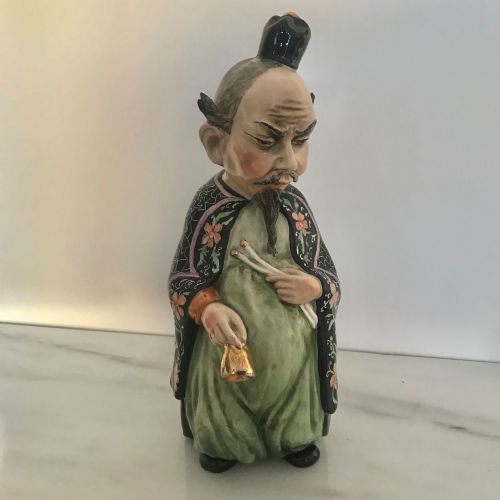
The selection ranges from Victorian Staffordshire dogs and continental porcelain figurines to Chinese and Japanese ceramic representations. Works appear alongside earthenware huntsmen and glazed fish groups mounted on wooden bases.
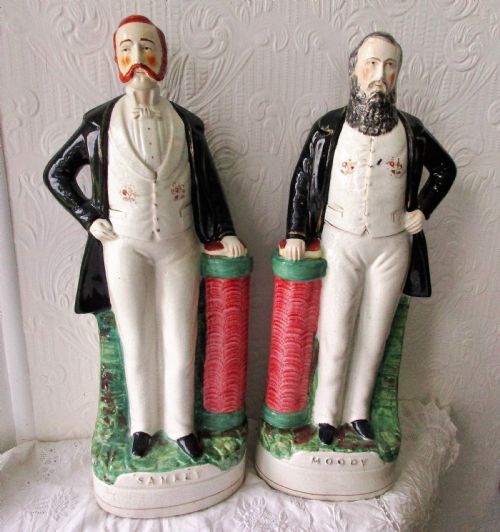
Pieces frequently reflect specific regional traditions, including Staffordshire portrait figures and Tang Dynasty style pottery horses. Each creation delivers distinct sculptural character through varied manufacturing approaches.
Materials and construction methods
Makers utilised earthenware, porcelain, and terracotta as foundational bodies for these figures, applying specialised lead glazes and enamel decoration. Artisans shaped clay into detailed animal and human forms before firing the pieces in kilns.
Surface treatments involve hand enamel painting and glossy glaze layers, sometimes accented with gilt details. Manufacturing techniques evolved from eighteenth century porcelain methods to twentieth century art deco pottery styling.
Black Ceramic Statue Retail Price Guide 2026
Typical asking prices for black ceramic statue among the pieces listed under this phrase on Sellingantiques today, from the lower quarter to the upper quarter. They describe what is for sale here now, not the wider market.
Several dogs keep eternal watch from nineteenth century mantelpieces.
Distinctions in quality
Finely executed examples demonstrate superior sculptural proportion and precise hand enamel brushwork across the ceramic surface. The clarity of the glaze application and the crispness of moulded details distinguish superior workshop output.
The sophistication of the stylistic execution, whether capturing an art deco fish group or a Victorian portrait figure, dictates the artistic standing of the work. Superior pieces maintain integrity in their firing and decorative finishes.
Guido Cacciapuoti·Beswick
The Black Ceramic Statue Glossary
- Earthenware
- Porous pottery fired at lower temperatures, commonly used for traditional figures and dogs. It requires a glaze to become impermeable to liquids.
- Porcelain
- A fine, hard ceramic material fired at high temperatures, valued for its smooth texture and white body. It allows for delicate modelling in figurine production.
- Terracotta
- Unglazed or glazed fired clay of a brownish-red colour, frequently utilised for sculptural works. The material provides a warm, matte finish.
- Lead glaze
- A shiny coating applied to pottery before a second firing, creating a glass-like protective surface. This technique deepens the visual depth of the underlying ceramic body.
- Staffordshire pottery
- Earthenware figures and animals produced in the Staffordshire potteries of England. These decorative items became staples of Victorian mantelpieces.
Black Ceramic Statue: Frequently Asked Questions
What periods do these statues cover?
The pieces span from the eighteenth century through the Victorian era and into the nineteen thirties. Examples include nineteenth century English pottery alongside earlier continental porcelain.
Production dates reflect distinct stylistic movements, encompassing both traditional portrait figures and art deco ceramics.
How were these ceramic figures used?
These sculptures served primarily as decorative ornaments for domestic interiors, frequently displayed on mantelpieces or cabinets. Pairs of figures often balanced room displays.
Certain items represented allegorical themes, historical personages, or cultural deities, combining utility with narrative display.
How do I care for ceramic statues?
Keep pieces away from direct sunlight to preserve enamel and gilt details on the glaze surface. Dust gently with a soft dry cloth.
Avoid using harsh cleaning solutions or water immersion, particularly on older earthenware and antique porcelain bodies.
How do I identify different styles?
Examine the glaze type, modelling technique, and decorative motifs to determine the originating period. Victorian Staffordshire pieces show distinct moulding characteristics.
Twentieth century works display streamlined art deco forms or specific regional glazing traits associated with Japanese Kutani or Chinese traditions.