




Black Cast Iron Base
A black cast iron base provides the sturdy, industrial foundation for utility tables, garden furniture, and repurposed sewing mechanics.
Black Cast Iron Base
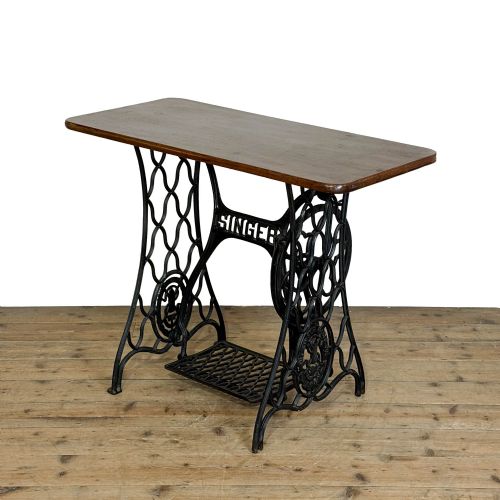
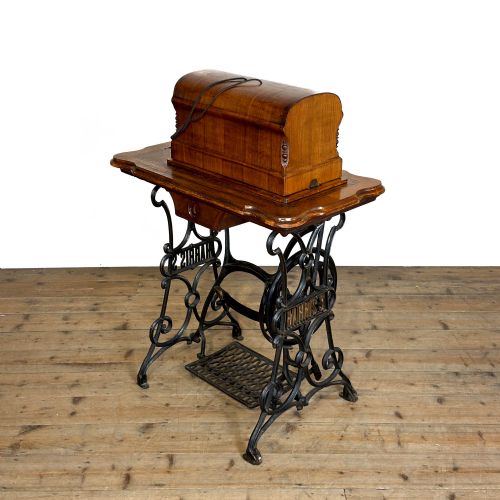
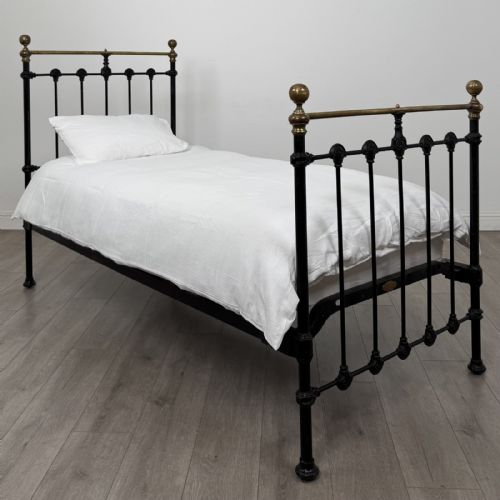
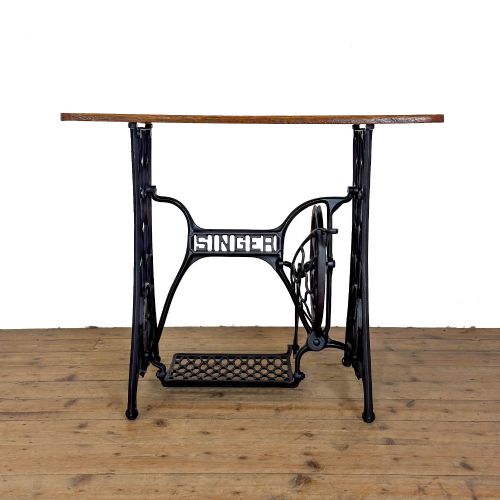
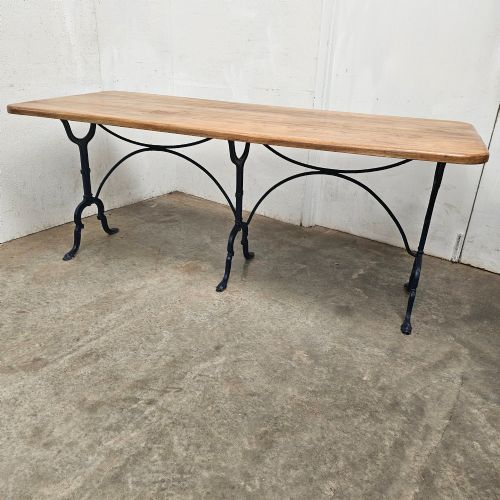
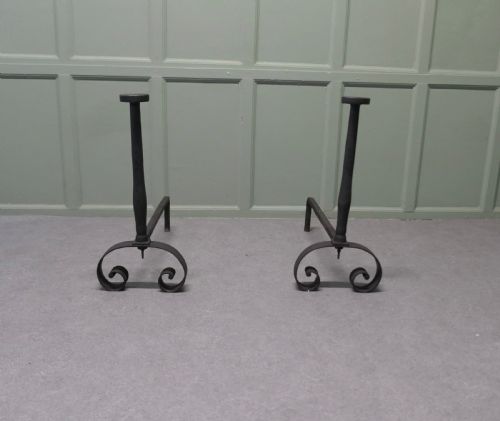
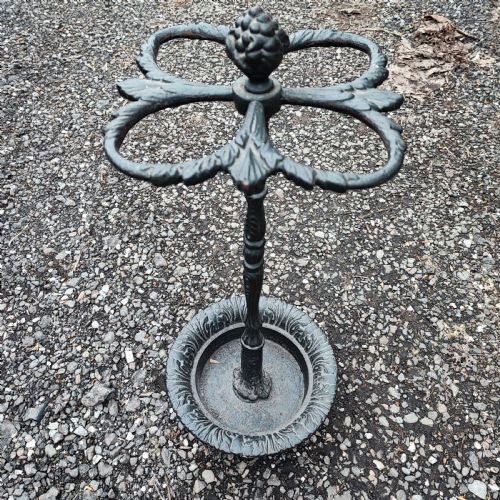
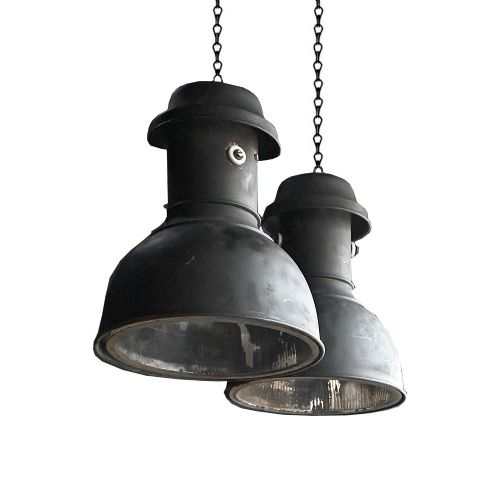
When you search for a black cast iron base, you encounter heavy structural supports salvaged from industrial machinery, Victorian pub tables, and period sewing machines. These items range from scrollwork occasional tables to heavy bistro frames paired with timber or marble tops.
The selections span the nineteenth century through the mid-twentieth century, encompassing Victorian, Edwardian, and industrial styles. Many pieces show their origins in repurposed factory equipment, garden furniture, and domestic treadle tables.
Pub tables and bistro tables dominate the domestic forms, whilst factory stool bases and machine legs represent the industrial side of the material. Each piece combines functional metal casting with varied surfaces like mahogany, oak, elm, or marble.
Assessing quality in cast iron
The crispness of the cast ornamentation and the clarity of factory markings separate standard utility components from finer decorative castings. Finer examples retain sharp scrollwork details and well-defined manufacturer lettering without the smoothing effects of excessive wear or poor secondary moulding.
The integrity of the metal structure, the absence of structural cracks, and the originality of matching timber or marble tops dictate the overall standard. Pieces that retain their original factory paint or patinated finish demonstrate superior preservation compared to heavily altered items.
Black Cast Iron Base Retail Price Guide 2026
Typical asking prices for black cast iron base among the pieces listed under this phrase on Sellingantiques today, from the lower quarter to the upper quarter. They describe what is for sale here now, not the wider market.
Some nineteenth-century iron legs once drove domestic productivity before finding new retirement as living room coffee tables.
Blackstone and Co·Jones Sewing·Singer Sewing Machine·Kenrick·Gritzner and Co·Max Kohl
The Black Cast Iron Base Glossary
- Cast iron
- An iron-carbon alloy poured into moulds to create rigid, heavy structural forms. It provides the essential weight and rigidity found in these industrial bases.
- Treadle
- A foot-powered lever mechanism used to operate machinery. This mechanism forms the structural base of many antique sewing tables.
- Scrollwork
- Ornamental branching curves cast directly into the metal frame. This decorative detailing is common on Victorian garden and occasional tables.
- Patina
- The surface sheen and colour acquired by metal and wood through age and use. A genuine surface shows natural wear rather than artificial distress.
- Bistro table
- A small café table typically featuring a central metal pedestal or three-legged iron base. These items combine durable cast metal with wooden or stone tops.
Black Cast Iron Base: Frequently Asked Questions
How do I clean a cast iron base?
Dust the surface regularly with a dry cloth to prevent dirt accumulation.
Apply a light coat of neutral paste wax or mineral oil to protect the metal from moisture without altering its dark finish.
Are these bases suitable for outdoor use?
Many nineteenth-century pieces originated as garden tables or exterior furniture designed to withstand the elements.
Unprotected iron will develop active rust if left in damp conditions, so sheltered placement preserves the original metal.
How can I date a cast iron base?
Examine the casting quality, fastening methods, and any maker marks or registration numbers stamped into the metal.
Stylistic indicators such as Victorian scrollwork or industrial factory forms help narrow down the manufacturing decade.
Can I replace the top on an antique base?
Many industrial bases were salvaged separately from their original wooden or marble surfaces and paired with new tops.
Ensuring the weight distribution matches the heavy iron support keeps the structure stable and functional.