





Black and Chrome Table
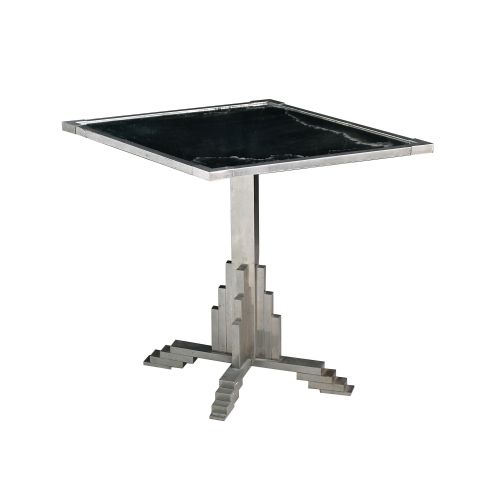
A black and chrome table brings high-contrast geometric lines into a room, offering functional surface space with distinct industrial shine.
Black and Chrome Table
A black and chrome table combines dark surfaces with polished metal framing, emerging primarily from periods such as the 1920s, 1930s, and 1950s within Art Deco and Mid-Century Modern styles.
Buyers encountering this search phrase find occasional pieces and side tables featuring materials like ebonised wood and mirrored glass alongside chrome plating.
The aesthetic bridges domestic utility with striking modernist geometry, spanning small occasional surfaces designed for functional placement.
How they were made
Construction relies heavily on applied chrome plating over underlying metal structures, paired with ebonised wood, glass tops, or marble elements.
Makers utilised industrial finishing techniques, combining reflective metallic framing with painted metal or dark enamel surfaces to achieve strong visual contrast.
Black and Chrome Table Retail Price Guide 2026
Typical asking prices for black and chrome table among the pieces listed under this phrase on Sellingantiques today, from the lower quarter to the upper quarter. They describe what is for sale here now, not the wider market.
Materials recorded across the inventory include chrome, glass, fabric, metal, enamel, ebonised wood, bakelite, and marble.
What varies in quality
Quality rests upon the precision of the framing joints, the purity of the glass or mirrored inserts, and the original condition of the chrome finish.
Superior examples maintain crisp integration between the dark wooden or glass components and the structural metalwork, reflecting careful period manufacturing standards.
Blangy Clockmakers·Karl Palda·Smith Electric
The Black and Chrome Table Glossary
- Chrome
- Electroplated chromium providing a hard, corrosion-resistant, highly reflective metallic finish. This coating defines the bright surfaces of twentieth-century modernist metalwork.
- Ebonised wood
- Timber treated to resemble ebony through staining or painting. This dark finish creates the characteristic contrast against polished metal.
- Art Deco
- A design style dominant in the 1920s and 1930s characterised by sleek geometric shapes and streamlined forms. It forms the primary design influence for these items.
- Occasional table
- A small, light table intended for specific, flexible uses around a room. These pieces provide functional surfaces without dominating a domestic space.
Black and Chrome Table: Frequently Asked Questions
What periods do these pieces date from?
The available selection spans the 1920s, 1930s, and 1950s, capturing the height of Art Deco and early Mid-Century Modern design.
Most items originate from the 1930s, reflecting the widespread industrial adoption of chrome plating during that decade.
How do I care for chrome and ebonised surfaces?
Maintain chrome components by wiping them gently with a soft dry cloth to remove dust and preserve the reflective finish.
Avoid harsh chemical cleaners that might degrade the protective plating or damage the dark ebonised wooden elements.
What materials appear alongside chrome?
Listings feature combinations of chrome with glass, mirrored tops, marble, enamel, and ebonised wood.
These varied materials contribute to the strong textural contrast typical of modernist decorative arts.
Are these items strictly tables?
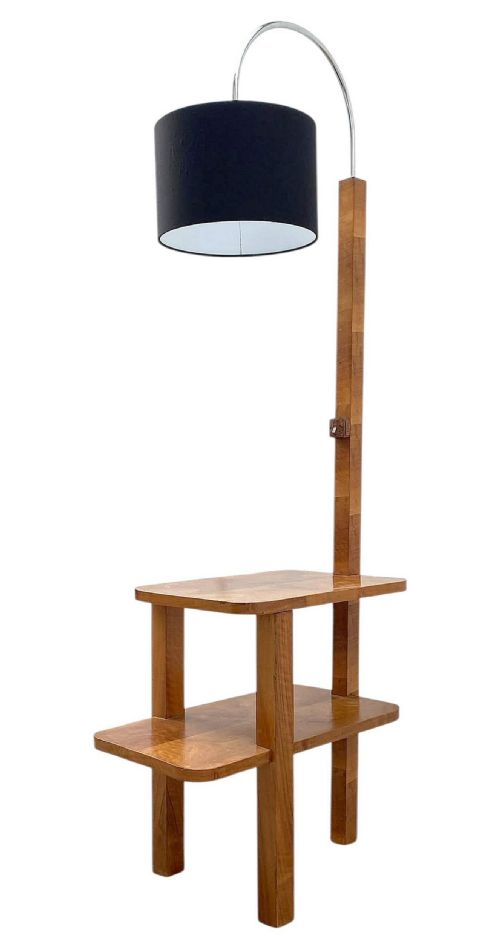
While the search term specifies a table, the broader category includes side tables, occasional tables, and rotating serving trays like lazy susans.
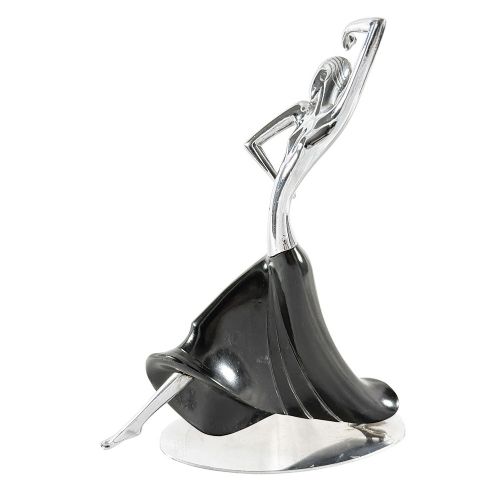
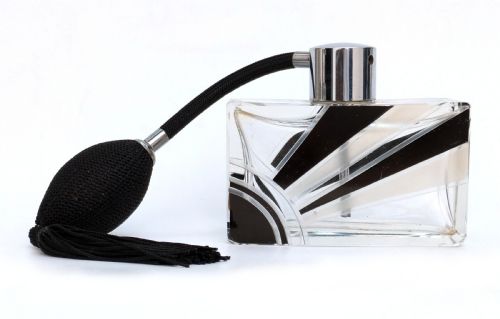
Other items sharing these materials encompass desk clocks, perfume atomisers, and lamps from the same design eras.