


Bistro Dining Table
A bistro dining table offers compact social seating, combining robust metal bases with timber or marble tops for everyday use.
Bistro Dining Table
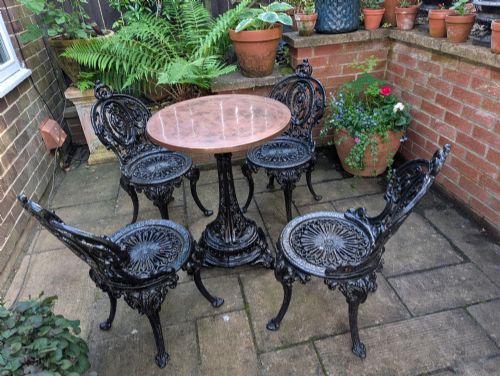
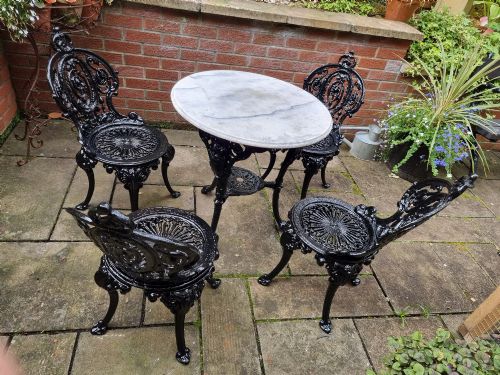
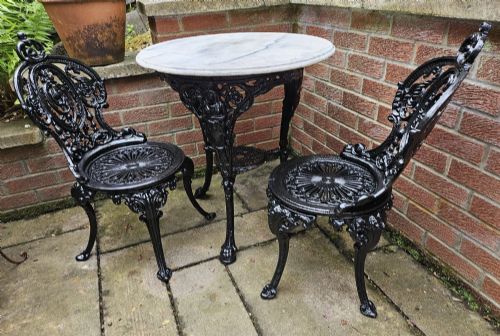
A bistro dining table is a compact surface designed for social gathering, often pairing a durable metal base with a timber, marble, or zinc top. These pieces emerge in styles like French Provincial, Victorian, and Art Deco, reflecting utilitarian origins in domestic and commercial spaces.
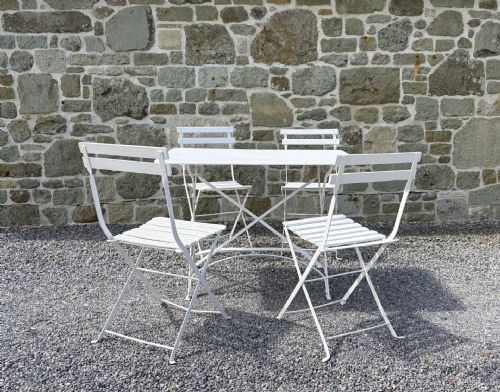
The versions most common on this page span the nineteenth century through the early twentieth century, encompassing French country designs and British Victorian pub tables. They appear as standalone folding tables, wine tasting tables, and sets complete with matching chairs.
Makers and designers working in this category range from Christopher Dresser to general industrial foundries producing heavy iron frameworks. The forms serve both interior dining rooms and conservatory or garden settings.
How they were made
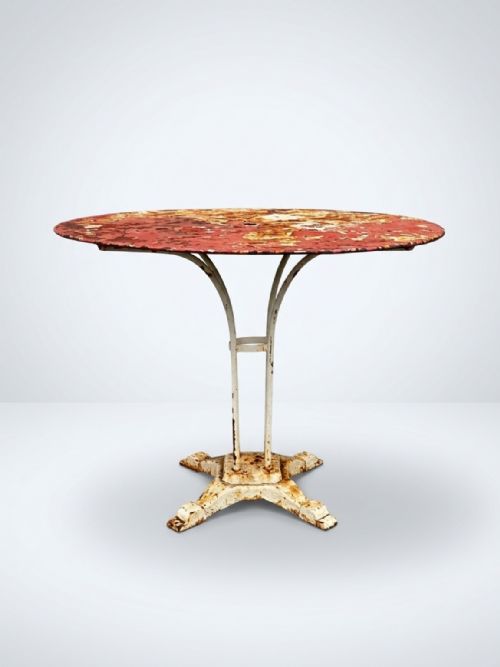
Foundries cast molten metal into intricate or utilitarian bases using iron, creating heavy supports that anchor the furniture against tipping. These metal frames combine with wooden planks in oak, elm, walnut, and mahogany, or flat slabs of white marble and zinc.
Joinery methods rely on traditional carpentry for wooden tops and folding mechanisms, while iron components utilise bolts and rivets. Surfaces retain original paint finishes or bare patinated timber resulting from decades of hard use in cafes and gardens.
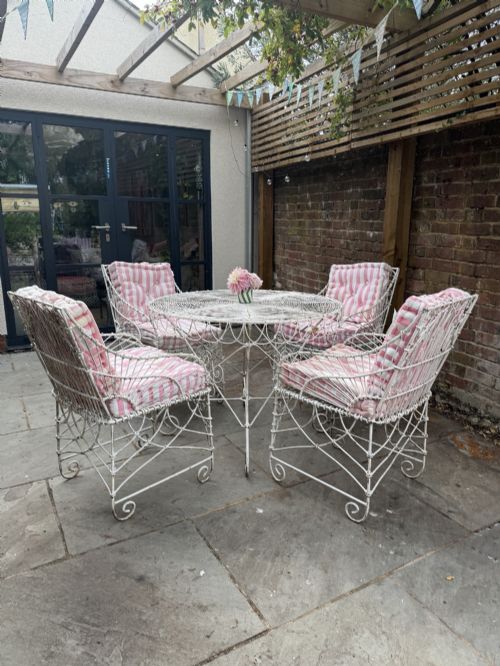
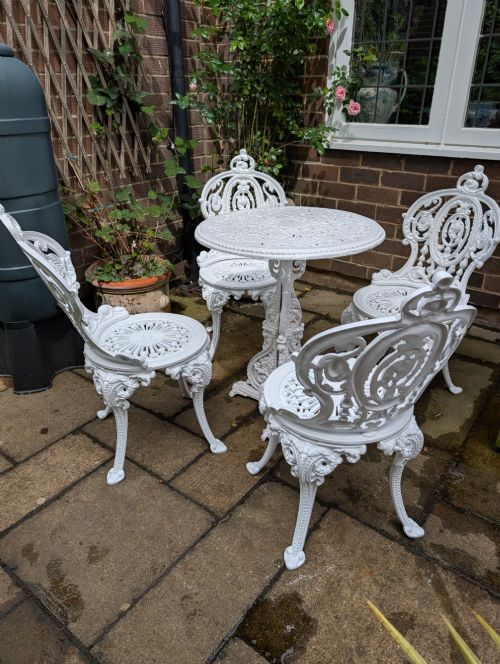
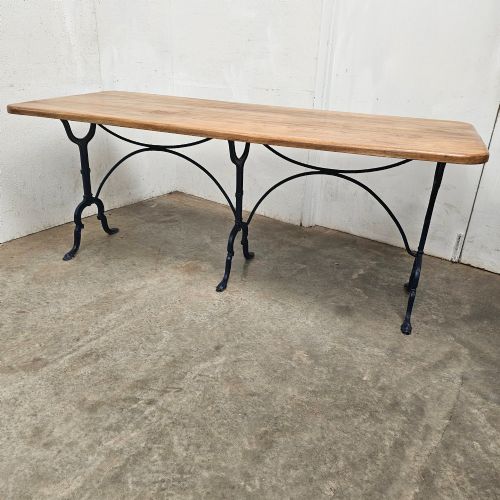
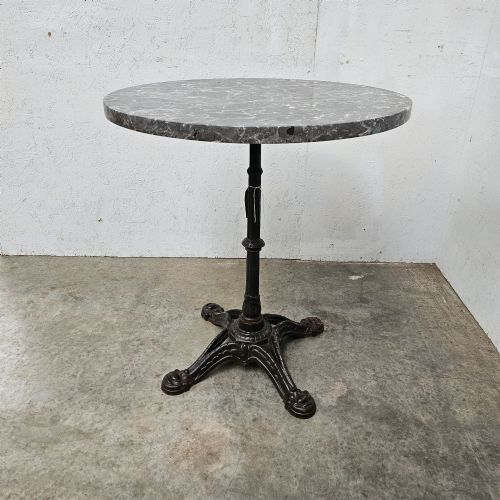
The furniture forms on this page include folding tables, wine tasting tables, pub tables, and complete dining sets with matching chairs.
What varies in quality
The distinction between ordinary and superior examples lies in the weight and complexity of the cast iron base, alongside the selection of timber or stone for the top. Heavy foundry work and named designs display greater sculptural ambition than standard commercial castings.
Original material integrity determines the standing of a piece, particularly where untouched marble slabs, zinc sheeting, or dense hardwoods like oak and elm survive intact. Surface patination achieved through genuine age separates honest tables from heavily restored alternatives.
Christopher Dresser·The Rotherham
The Bistro Dining Table Glossary
- Cast Iron
- An iron-carbon alloy poured into moulds to create rigid, heavy furniture bases with decorative or industrial profiles. This material provides the substantial weight needed to keep small tables stable.
- Vineyard Table
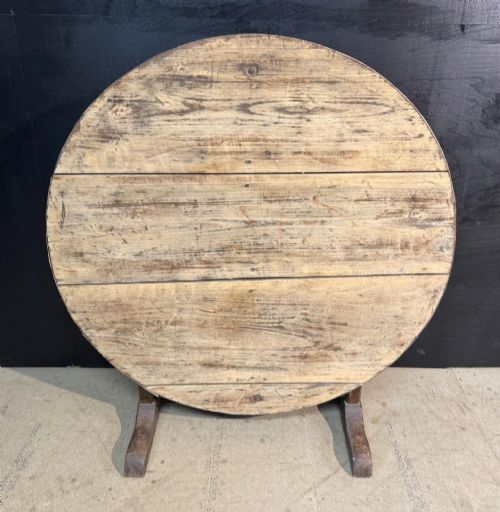
- A folding wooden table historically utilised for agricultural work or seasonal harvesting in France. Their hinged frames allow them to be stored flat when not in use.
- Patina
- The surface sheen and colour acquired by wood, metal, and stone through years of handling, polishing, and environmental exposure. It acts as a primary indicator of genuine age.
- Zinc Top
- A sheet metal surface applied to wooden framing, offering a waterproof and heat-resistant workspace common in French cafes and bars. Over time, the metal develops a mottled grey oxidation.
- Wine Tasting Table
- A specialist regional table designed for sampling wine, often featuring a round top raised on a sturdy central or tripod pedestal base. These examples originate primarily from French rural districts.
Bistro Dining Table: Frequently Asked Questions
Are bistro dining tables suitable for daily use?
These tables provide sturdy surfaces for regular meals, relying on solid timber tops and heavy iron bases designed for commercial or domestic endurance.
Their compact footprints make them practical for smaller dining rooms, kitchens, and conservatories without sacrificing structural stability.
How do I identify a French bistro table?
French examples often combine cast iron pedestal bases with oak, elm, or marble tops, sometimes featuring folding vineyard mechanisms or stamped foundry marks.
Stylistic cues lean towards French industrial or provincial aesthetics, distinguishing them from British Victorian pub furniture.
Can these tables be used outdoors?
Many surviving pieces originate from gardens and terraces, constructed with weather-resistant cast iron and durable timber or stone.
Protecting vulnerable wooden tops during winter months preserves the original patination and prevents structural warping.
What is a wine tasting table?
A wine tasting table is a nineteenth-century French form intended for evaluating wine, characterised by a compact round top and robust pedestal support.
They function well as intimate dining surfaces or occasional tables within modern interiors.