



Birthstone Ring
A birthstone ring brings together personal significance and lasting metalwork, offering a wearable piece of history rooted in specific months and dates.
Birthstone Ring
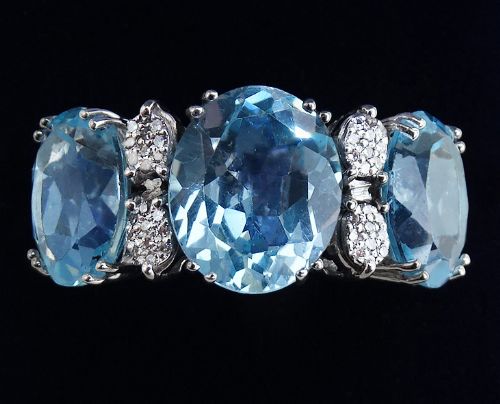
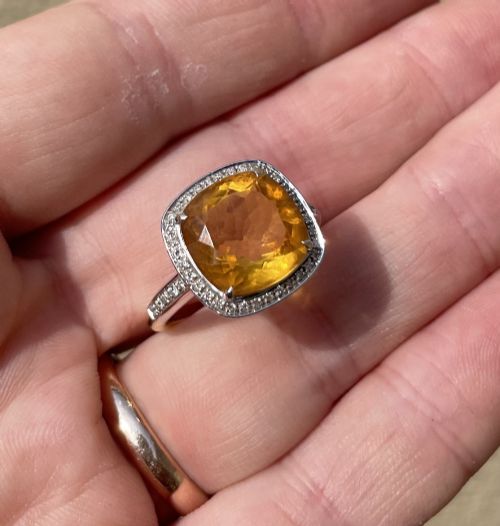
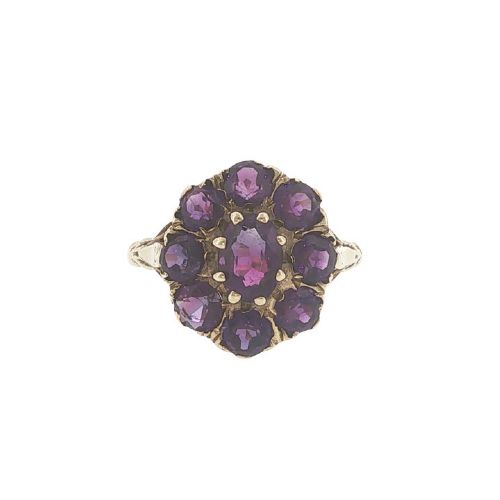
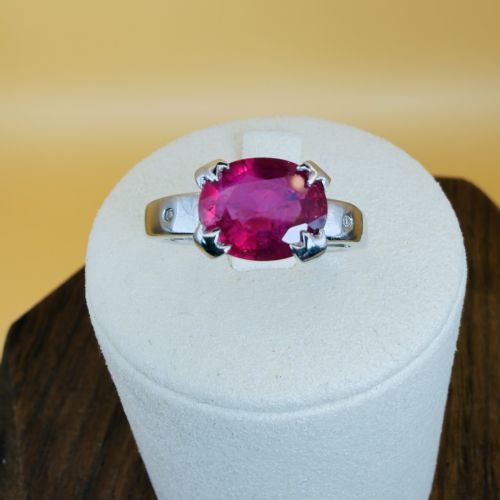
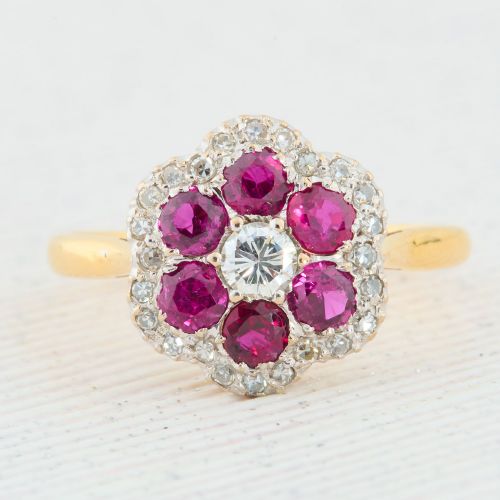
The pieces on this page appear in various configurations, from simple solitaires to elaborate cluster and halo formations. Gemstones such as amethyst, aquamarine, ruby, and citrine dominate the selections.
Buyers will encounter both vintage iterations and antique pieces dating from the early twentieth century onwards. Each object type centres firmly on finger rings created across diverse stylistic periods.
Materials and construction methods
Gold forms the primary structural foundation, appearing frequently as nine-carat yellow gold and white gold alongside higher carat variations. Gemstones are secured into these metal settings using traditional claw and bezel techniques.
Diamonds frequently accompany coloured centre stones in cluster or trilogy arrangements to provide contrast and brilliance. Hallmarks stamped into the metal bands help confirm the composition and origin of the piece.
Birthstone Ring Retail Price Guide 2026
Typical asking prices for birthstone ring among the pieces listed under this phrase on Sellingantiques today, from the lower quarter to the upper quarter. They describe what is for sale here now, not the wider market.
The listings feature rings spanning the Edwardian period through the mid-twentieth century, utilising white gold, yellow gold, diamond, amethyst, and ruby.
Assessing quality in jewellery
Quality rests upon the cut, saturation, and clarity of the primary gemstone, alongside the integrity of the surrounding metalwork. Robust claw settings that securely hold each stone indicate superior craftsmanship.
The precision of the mounting and the preservation of original hallmarks distinguish finer examples from standard production. Well-executed cluster arrangements show careful stone matching and balanced proportions.
The Birthstone Ring Glossary
- Cluster ring
- A ring featuring a central gemstone surrounded by a group of smaller stones, often diamonds. This layout maximises visual impact and perceived sparkle.
- Solitaire
- A ring set with a single gemstone, allowing the character and colour of that specific stone to remain the sole focus.
- Trilogy ring
- A design incorporating three stones set in a row, traditionally representing the past, present, and future.
- Halo ring
- A setting where a central gem is encircled by a concentric ring of smaller pavé-set diamonds or coloured stones.
- Hallmark
- An official mark stamped into precious metal to indicate purity, origin, and sometimes the year of testing.
Birthstone Ring: Frequently Asked Questions
How do I clean a birthstone ring?
Most gold and gemstone rings respond well to gentle cleaning using warm water and mild washing liquid with a soft brush. Avoid harsh chemical dips, particularly if the piece contains softer organic or treated stones.
Dry the ring thoroughly with a lint-free cloth before wearing or storing it again. Regular gentle maintenance preserves the clarity of the stones and the shine of the metal.
Are these rings suitable for daily wear?
Many of these pieces are durable enough for everyday use, provided they are checked periodically by a jeweller for loose settings. Harder stones like diamond and ruby withstand daily friction very well.
Softer gems require more mindful wear to prevent scratching or impact damage. Removing rings during strenuous physical tasks helps protect the setting.
How can I tell the period of a ring?
Stylistic indicators such as Edwardian filigree work or mid-century geometric lines offer initial clues about a ring's era. Examining the cut of the stones and the construction techniques provides further context.
Official hallmarks stamped inside the band often provide definitive dates or assay office markers. Comparing these details against known periods helps narrow down the timeline.
What is a cluster ring?
A cluster ring arranges multiple smaller gemstones around a larger focal stone to create a concentrated burst of colour and light. This design style gained significant popularity during the Edwardian and mid-century eras.
The arrangement allows makers to combine diamonds with coloured gems such as amethyst, aquamarine, or ruby. Such configurations maximise both perceived size and brilliance.