



Birmingham Silver Tabletop
Birmingham silver tabletop pieces bring functional elegance to a room, offering sturdy Sterling Silver craftsmanship alongside wood, glass, and fabric details.
Birmingham Silver Tabletop
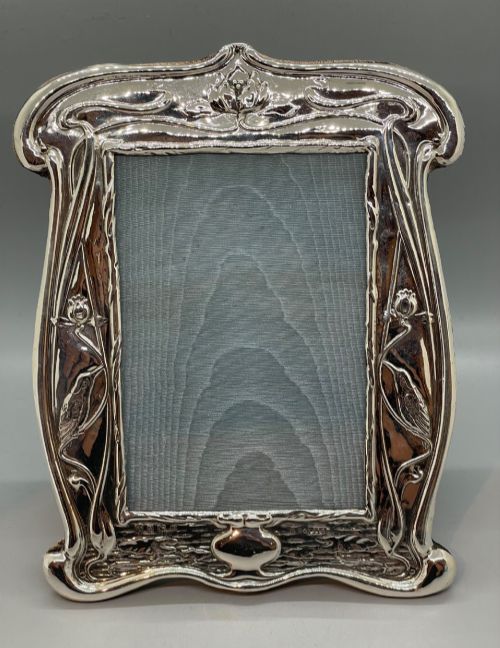
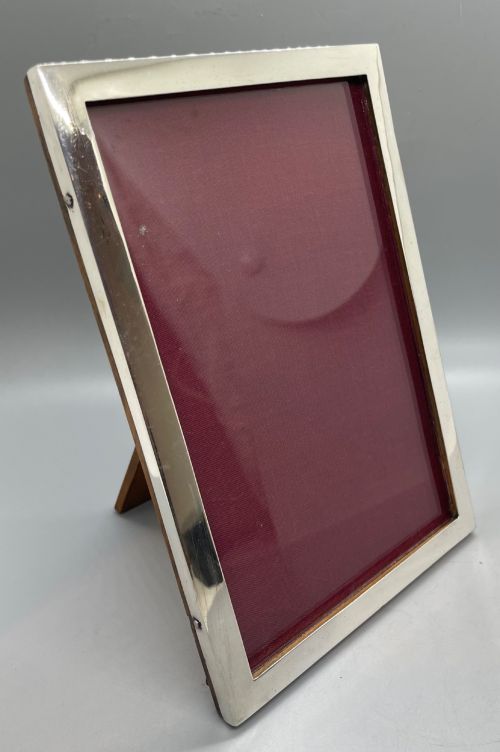
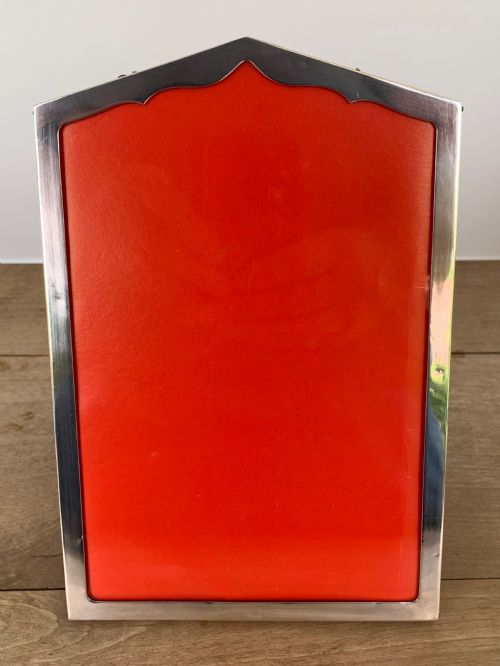
You are most likely to meet Edwardian and George V photo frames on this page, often featuring wooden backs and stands. These pieces range from standard rectangular shapes to heart-shaped designs, reflecting the domestic tastes of the early twentieth century.
The objects span from Victorian snuff boxes dated to the eighteen seventies through to nineteen thirties candlesticks. This mix shows how silversmiths adapted their output from small pocket items to larger table accessories over sixty years.
How they were made
Makers shaped Sterling Silver into picture frames and snuff boxes, frequently incorporating wooden backs and stands to support the metal fronts. Fabric and silk linings appear internally, while brass and silver plate supplement the primary silver construction in related pieces like table gongs.
Engraving was utilised extensively to decorate the surface of picture frames and snuff boxes, creating floral or geometric patterns characteristic of Edwardian and Art Nouveau styles. Silversmiths also employed easel stands hinged to wooden panels, allowing tabletop frames to rest securely at an angle.
Birmingham Silver Tabletop Retail Price Guide 2026
Typical asking prices for birmingham silver tabletop among the pieces listed under this phrase on Sellingantiques today, from the lower quarter to the upper quarter. They describe what is for sale here now, not the wider market.
Listings feature four decades of twentieth-century design alongside Victorian items, utilising Sterling Silver, wood, glass, and silk.
What varies in quality
The distinction between standard items and superior examples lies in the crispness of the engraved decoration and the substance of the Sterling Silver sheet used for the front. Thicker metal resists denting and holds the maker marks and hallmarks with greater clarity.
Quality also shows in the construction of the wooden backs and easel stands, where well-fitted hinges and durable materials ensure the piece functions properly on a table. Finer pieces display careful integration between the silver front and its structural support.
Henry Matthews·Deakin & Francis
The Birmingham Silver Tabletop Glossary
- Hallmark
- Official stamps punched into precious metals to indicate the standard of silver, the assay office, and the year of assay. Birmingham items display the anchor symbol.
- Sterling Silver
- An alloy of silver containing ninety-two point five percent pure silver and seven point five percent other metals, chiefly copper. This is the standard material for the frames and snuff boxes listed here.
- Easel Back
- A hinged support attached to the rear of a picture frame that allows it to stand upright on a table. These are frequently made of wood covered in fabric.
- Dinner Gong
- A suspended metal disc struck with a mallet to announce meals. The examples here include brass elements mounted in tabletop frames.
Birmingham Silver Tabletop: Frequently Asked Questions
What periods do these pieces span?
The items range from Victorian and Edwardian eras through to the George V period and nineteen thirties. You will encounter pieces dated from eighteen seventy-three up to nineteen thirty-four.
This span captures shifting design sensibilities, moving from Victorian ornamentation into Edwardian curves and later Art Deco geometries.
How do I identify a Birmingham hallmark?
Birmingham silver bears an anchor symbol alongside the lion passants and date letters. This indicates the piece was assayed at the Birmingham office.
Makers' initials also appear near these marks, helping to attribute the item to specific silversmith workshops.
What materials support the silver fronts?
Tabletop photo frames typically use wooden backs and stands to provide structural rigidity. Fabric and silk linings frequently cover these wooden supports.
Related tabletop items may also incorporate brass, glass, and silver plate alongside the primary Sterling Silver components.
How were these objects used originally?
Photo frames and picture frames sat on desks and tables to display portraits in domestic settings. Snuff boxes served to hold tobacco for personal use.
Larger items like dinner gongs were placed on dining furniture to summon household members or guests.