





Bedside Cupboard Unit
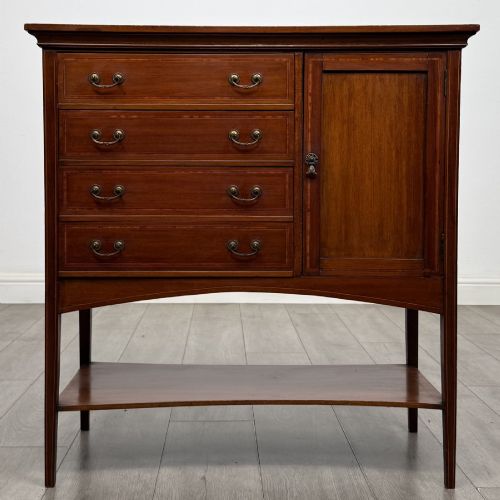
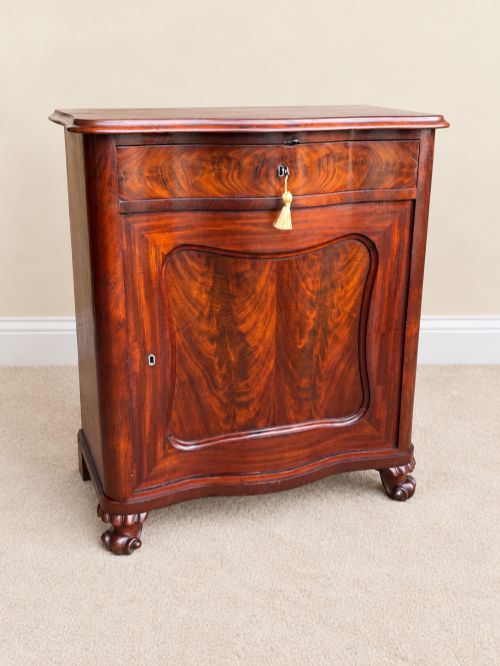
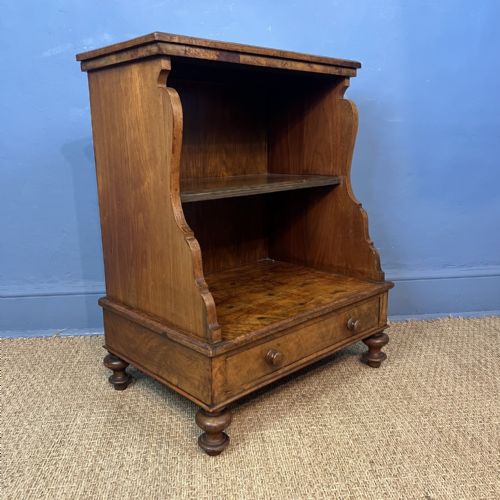
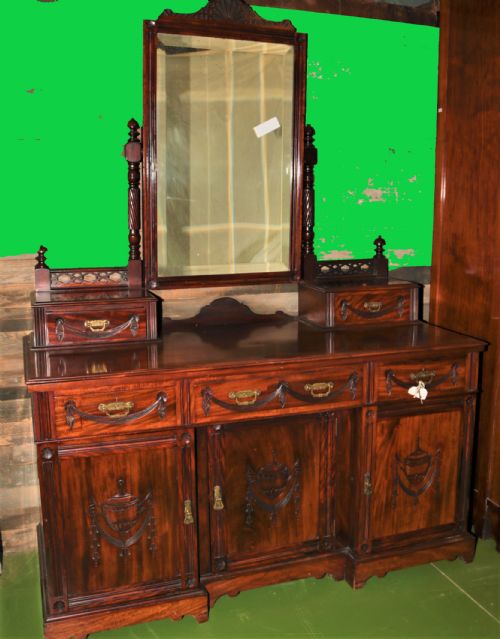
These bedside cupboard unit examples offer compact storage beside the bed, combining period timber work with practical compartments.
Bedside Cupboard Unit
A bedside cupboard unit provides enclosed or open storage beside a bed, taking the form of cabinets, small chests of drawers, and open bookcases. When searching for a bedside cupboard unit, buyers encounter diverse forms ranging from Victorian mahogany cabinets to mid-century teak examples.
The pieces span several decades and eras, including Victorian, Edwardian, and twentieth-century designs. Common configurations include single-drawer cupboards, open shelving, and narrow proportions suited to smaller spaces.
Origins and styles vary widely, featuring English country pieces, Georgian influences, Jacobean revival work, and Queen Anne style walnut chests. Each piece reflects the domestic storage needs of its respective period.
Materials and Construction
Cabinet makers utilised a variety of hardwoods such as mahogany, oak, burr walnut, walnut, and teak, often finished with a polished surface. Wood selection dictated the primary grain pattern and tone of the finished bedside unit.
Metal hardware such as brass H hinges provided functional movement for doors and complemented the timber construction. Some pieces incorporated carved details or iron fittings depending on the prevailing style.
Bedside Cupboard Unit Retail Price Guide 2026
Typical asking prices for bedside cupboard unit among the pieces listed under this phrase on Sellingantiques today, from the lower quarter to the upper quarter. They describe what is for sale here now, not the wider market.
A sturdy oak cupboard from Halifax proudly bears a maker's stamp, proving that even bedside storage once carried local civic pride.
Assessing Quality and Character
Quality in a bedside cupboard unit rests upon the selection of timber veneers, such as burr walnut or figured mahogany, paired with sound joinery. Finer examples display thoughtful proportions and careful timber matching.
The integration of original hardware, such as specific hinge types and drawer pulls, distinguishes better preserved pieces. Construction details like hand-cut joints and solid secondary timbers elevate the standard of the cabinet work.
Simpson Halifax
The Bedside Cupboard Unit Glossary
- Burr walnut
- A prized timber veneer showing swirling knot formations, often utilised on high-end cabinet fronts and top surfaces.
- H hinge
- A surface-mounted metal hinge shaped like the letter H, commonly seen on vintage and antique cabinet doors.
- Nightstand
- An alternative term for a bedside table or small cabinet placed adjacent to a bed.
- Open shelf
- A storage compartment without a door, allowing immediate access to books or bedside items.
Bedside Cupboard Unit: Frequently Asked Questions
What is a bedside cupboard unit used for?
These units provide convenient storage next to a bed for nighttime essentials, books, and personal items. Their enclosed cupboards or drawers keep surfaces tidy while maintaining a compact footprint.
Different configurations allow owners to choose between concealed storage behind doors or open shelving for quick access to reading material.
How do I date an antique bedside cabinet?
Dating relies on observing timber choices, construction techniques, and stylistic markers associated with specific periods like the Victorian or Edwardian eras. Hardware types and secondary woods also offer clues to the approximate decade of manufacture.
Comparing the decorative details, such as carved oak motifs or Queen Anne style legs, helps narrow down the historical context of the piece.
Are these units suitable for small bedrooms?
Many examples feature narrow proportions and compact dimensions specifically designed to fit beside a bed without crowding the room. Tall pairs or low open bookcases provide vertical storage options that maximise available floor space.
Their varied footprints accommodate tight layouts while retaining functional surface areas for lighting and small items.
What wood types are most common?
Oak and mahogany appear frequently across Victorian and twentieth-century examples, offering durable and stable structures. Walnut, burr walnut, and teak also feature in pieces influenced by mid-century or revival styles.
Each timber brings a distinct grain and colour palette that defines the overall aesthetic of the cabinet.