

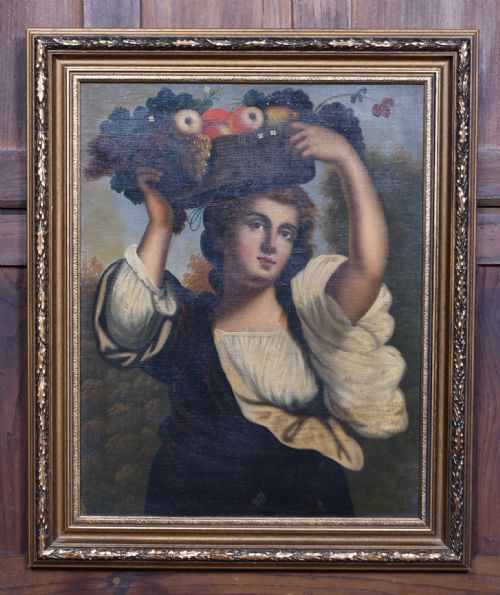


Basket Fruit Oil Painting
A basket fruit oil painting brings rich Flemish Baroque, Victorian and 20th-century studies of produce directly to your wall.
Basket Fruit Oil Painting
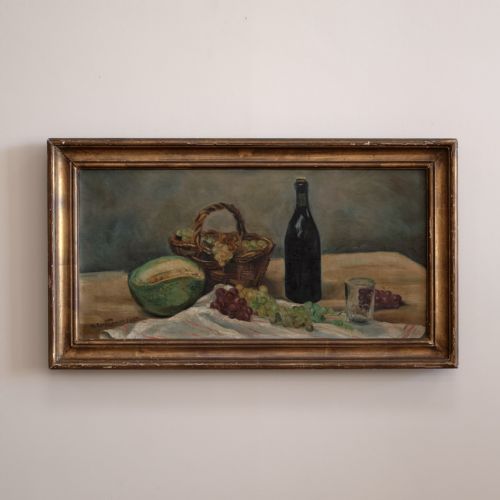
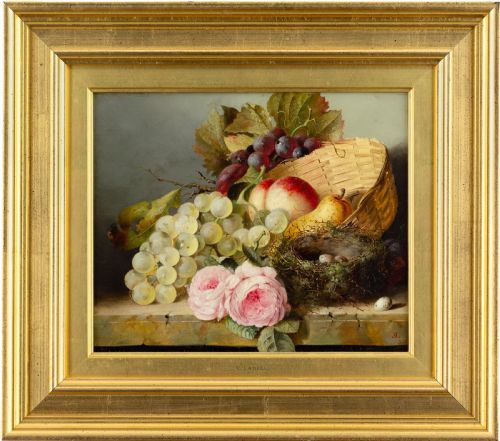
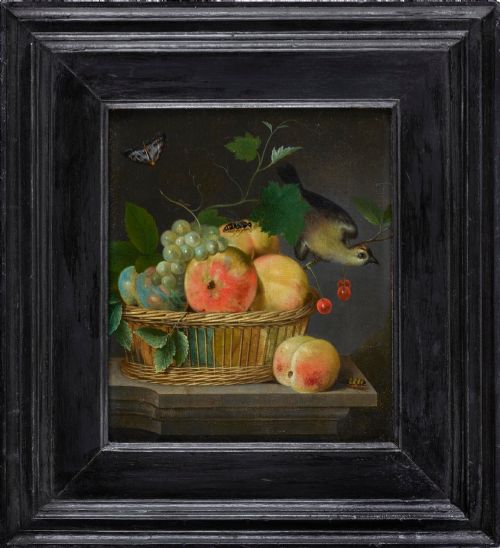
A basket fruit oil painting captures traditional still life and portrait subjects across the seventeenth, eighteenth, nineteenth and twentieth centuries. These works range from seventeenth-century Flemish Baroque compositions to Victorian academic studies and early twentieth-century canvases.
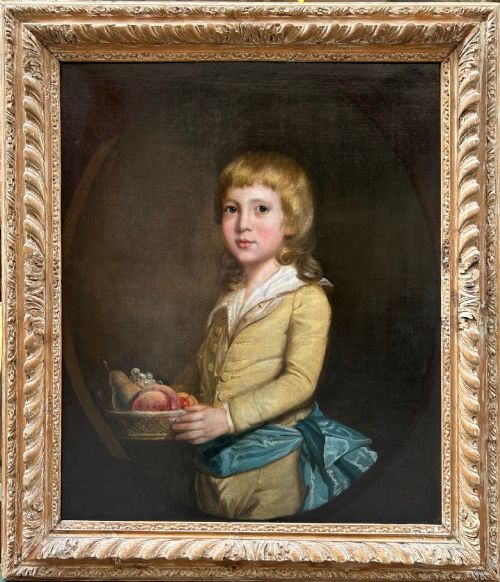
You are most likely to encounter nineteenth-century works and early twentieth-century canvases depicting wicker baskets filled with apples, grapes and assorted produce. Portraits featuring subjects carrying fruit baskets also appear within these historical periods.
The compositions span academic European school paintings, traditional still life arrangements and intimate studies on canvas, wood, and card.
Materials and construction
Artists painted these works primarily with oil paint applied to stretched canvas, wooden panels, or card surfaces. The pigment layers build up rich textures for the fruit skins, foliage, and woven wicker containers.
Many surviving examples retain their original frames constructed from wood, giltwood, or gilded wood, which often feature decorative moulding suited to the period of the painting.
Surviving supports include canvas, wood, card and oil paint, housed variously in plain or gilded wood frames.
Assessing quality
Quality rests upon the handling of light, shadow, and tactile surface detail across the fruit and the weave of the basket. Finer examples demonstrate confident brushwork that renders the natural sheen of grapes and apples convincingly.
The sophistication of the composition and the preservation of the original oil paint layer distinguish works of higher artistic merit from standard decorative pieces.
Edward Ladell·Thomas Beach·Gaspar Peeter Verbruggen·Alfred Arthur Brunel de Neuville·Evelyn Chester·Edouard Fleury·James Cole
The Basket Fruit Oil Painting Glossary
- Oil on Canvas
- Pigment mixed with drying oil applied to a woven fabric support. This material combination underpins the majority of fine art paintings in this category.
- Giltwood
- Wood carved and covered with a thin layer of gold leaf or gold paint. Frames utilising this material frequently accompany traditional paintings.
- Flemish Baroque
- An artistic style originating in Flanders during the seventeenth century characterised by dramatic lighting and exuberant detail. Works from this tradition often feature elaborate still life arrangements.
- Still Life
- A painting genre focused primarily on inanimate everyday objects, such as baskets of fruit and flowers. These studies emphasise natural arrangement and play of light.
Basket Fruit Oil Painting: Frequently Asked Questions
What periods do these paintings cover?
The works span from the seventeenth century through to the mid-twentieth century. You will find seventeenth-century Flemish Baroque pieces alongside eighteenth-century portraits and nineteenth-century academic studies.
Twentieth-century examples continue the traditional subject matter into the 1960s, offering a broad historical sweep of oil painting techniques.
How should I display a canvas painting?
Traditional oil paintings on canvas require stable indoor environments away from direct sunlight and excessive humidity. Proper hanging protects both the paint surface and the wooden stretcher bars.
Matching the canvas to an appropriate period frame, such as giltwood or gilded wood, preserves the historical context of the artwork.
Are all these works pure still life?
While the majority of listings focus strictly on baskets filled with fruit and flowers, the category also includes figurative works. Some canvases depict portraits of young boys or ladies carrying fruit baskets.
Both portraiture and pure still life utilise traditional oil paint techniques on canvas, wood, or card.
How do I identify a European school painting?
European school attributions typically denote works created within continental artistic traditions where the specific individual hand is unrecorded. These paintings reflect the academic training and stylistic conventions of their era.
They share materials like oil on canvas with signed works by named artists from the nineteenth and twentieth centuries.