



Baroque Wood Mirror
A baroque wood mirror brings dramatic carved depth and gilded light to a room, drawing the eye with sweeping scrolls and architectural presence.
Baroque Wood Mirror
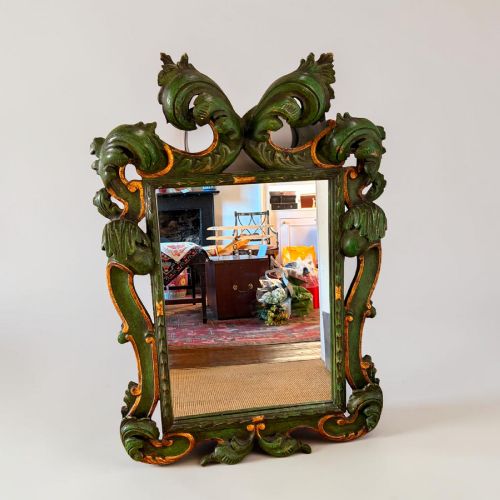
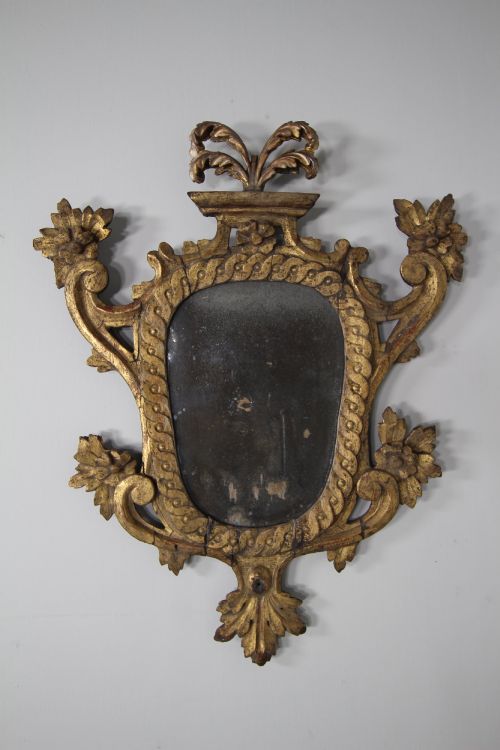
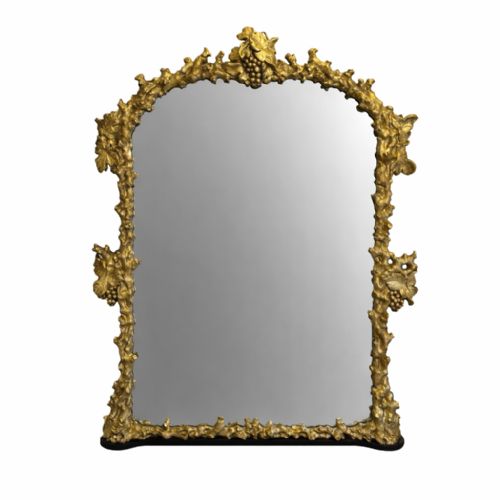
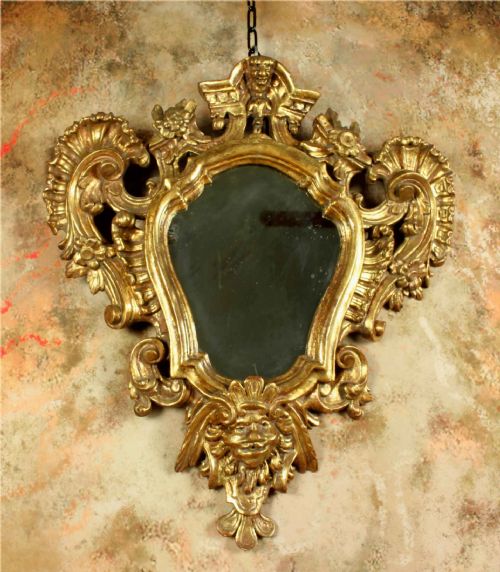
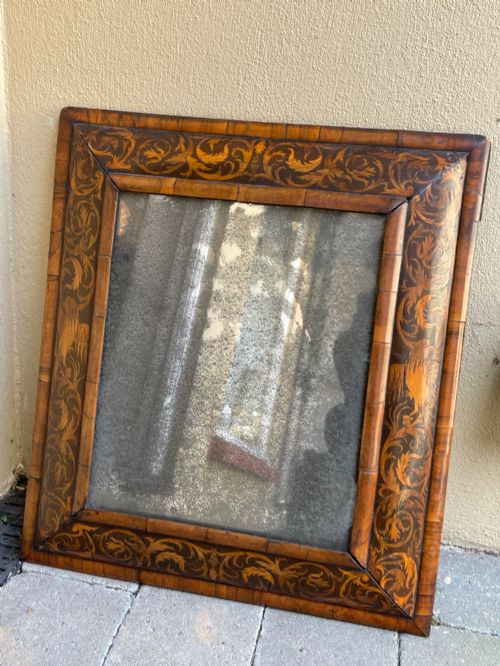
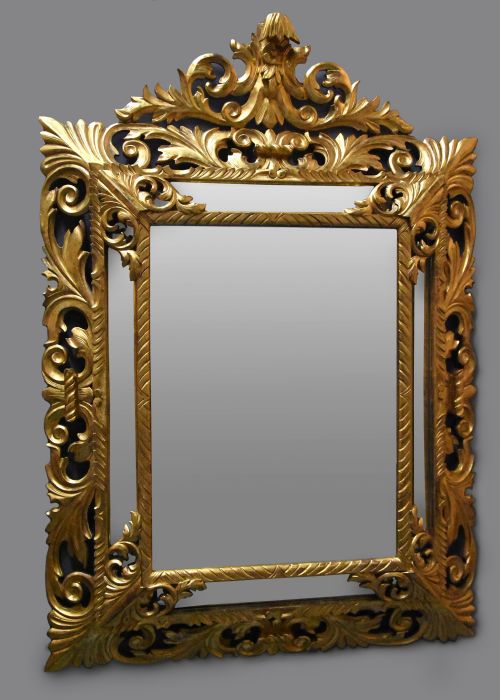
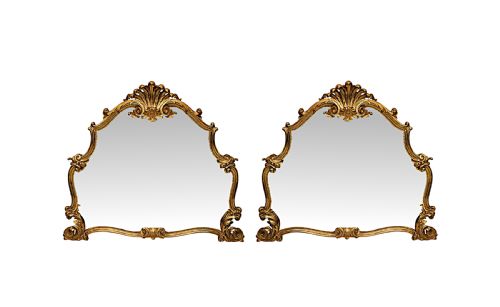
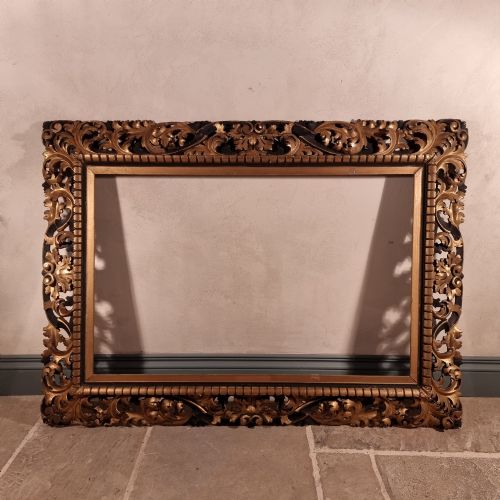
A baroque wood mirror embodies the ornate, theatrical aesthetic of the seventeenth and eighteenth centuries, though many examples on this page date from later revival periods like the nineteenth century. Buyers encounter forms ranging from massive overmantel and pier glasses to compact table mirrors, picture frames, and cushion mirrors.
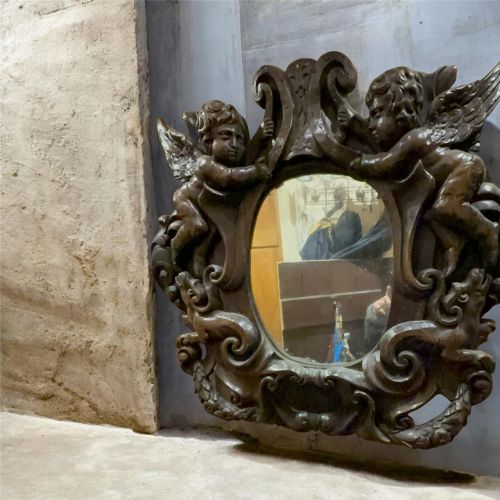
The regional origins lean heavily towards Italy, particularly Florence and Venice, alongside French and Flemish pieces. These works often display deep sculptural carving, cartouches, masks, and asymmetrical rococo or symmetrical baroque layouts designed to command a wall.
Objects span from actual seventeenth and eighteenth-century antiques to revival items from the eighteen-eighties and nineteen-twenties. The core appeal lies in the tactile warmth of carved timber and the interplay of reflected light against gilt surfaces.
Materials and construction methods
Carved timber forms the foundational structure of a baroque wood mirror, utilising woods such as oak, limewood, or pine beneath the decorative surface. Skilled artisans shaped these timbers using traditional hand chisels to create deep relief profiles before applying further ornamentation.
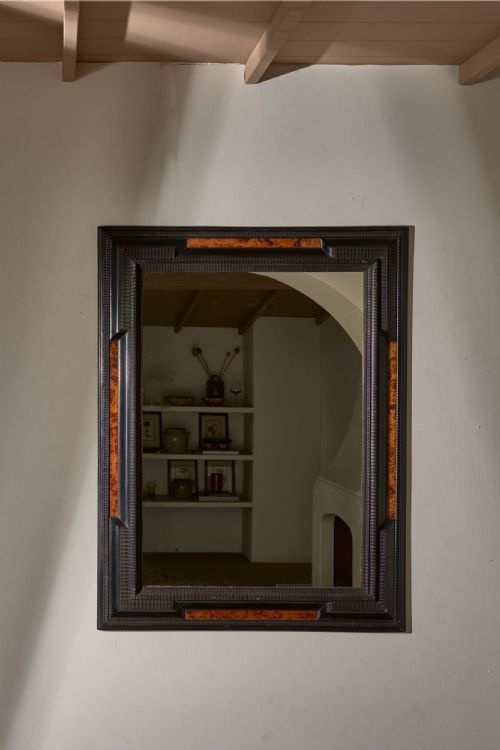
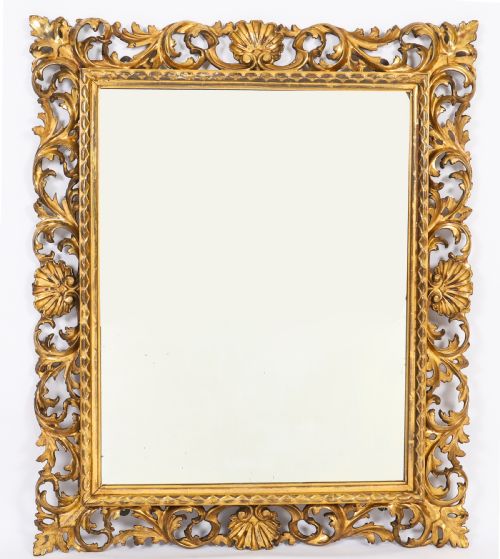
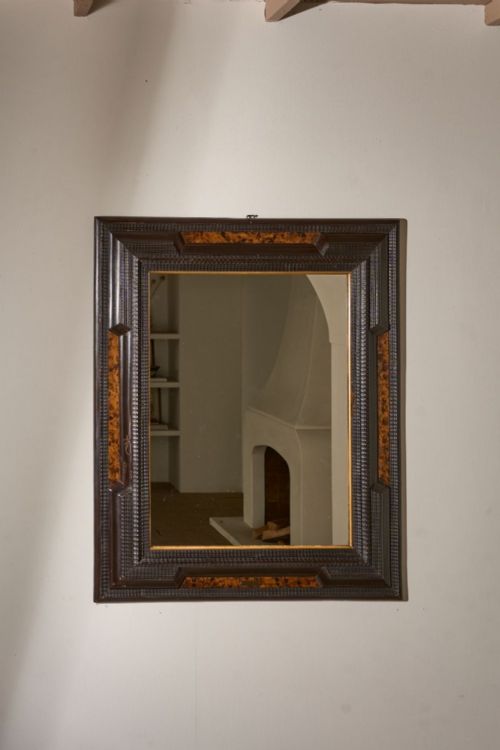
Gesso, a plaster-like mixture, was applied over the wood to build up crisp details and smooth contours for gilding. Artisans then laid gold leaf, silver leaf, or metal leaf onto the gesso ground, sometimes finishing the surface with paint, ebonising, or faux tortoiseshell effects.
The listings span multiple centuries, ranging from seventeenth-century oak and giltwood pieces up to nineteen-twenties Florentine and Venetian wall mirrors.
Distinctions in quality and execution
The depth, sharpness, and undercut precision of the hand carving separate masterwork pieces from simpler production items. Superior examples display spirited organic movement in scrolls and figures, whereas lesser pieces show shallow, stiffly rendered foliage and flat planes.
The application and preservation of the gilded or painted surface define visual hierarchy. Hand-applied gold leaf burnished to a soft metallic sheen carries far greater presence and longevity than coarse, flat metallic paint finishes.
The Baroque Wood Mirror Glossary
- Giltwood
- Timber coated with thin gold leaf applied over a prepared gesso ground. This technique gives the frame its characteristic luminous metallic glow.
- Gesso
- A traditional mixture of binder and chalk used to coat carved wood. It provides a smooth, receptive base for gilding and fine decorative relief work.
- Cushion mirror
- A frame style with a broad, sloping border that swells outwards towards the edge. This convex profile catches light from multiple angles.
- Pier glass
- A tall mirror designed specifically to hang on the narrow wall space between two windows. They often coordinate with matching console tables beneath them.
- Repoussé
- Metalwork shaped by hammering from the reverse side to form raised designs. This method appears on brass frames mounted to wooden cores.
Baroque Wood Mirror: Frequently Asked Questions
How do I hang a heavy baroque wood mirror?
Due to the substantial weight of carved timber and gesso frames, secure wall anchoring is essential. Professional fixings rated for heavy loads must attach directly into structural wall studs or masonry.
Position the hanging wire or integrated mirror brackets to distribute the downward pull evenly across the frame's upper structure rather than relying on a single central point.
Are these mirrors made of solid gold?
These pieces consist of carved wood coated in very thin beaten sheets known as gold leaf. The underlying material is timber such as oak, pine, or limewood.
An intermediate layer of gesso sits between the wood and the gold leaf to allow for sharp detailing and a smooth reflective surface.
What is the difference between original and revival pieces?
Original pieces date from the seventeenth and eighteenth centuries when the baroque and rococo movements first flourished in Europe. They show authentic age-related wear in the wood and gilding.
Revival pieces were produced during the nineteenth and early twentieth centuries, copying earlier styles with period-appropriate techniques while retaining their own historical charm.