







Baroque Wall Hanging
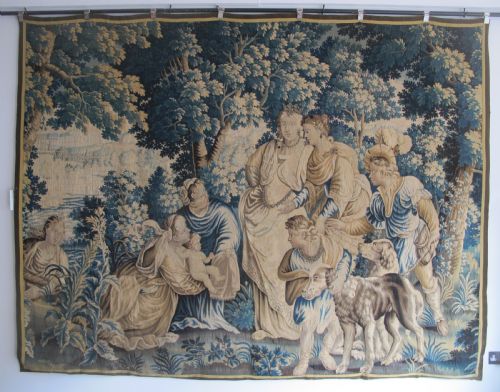
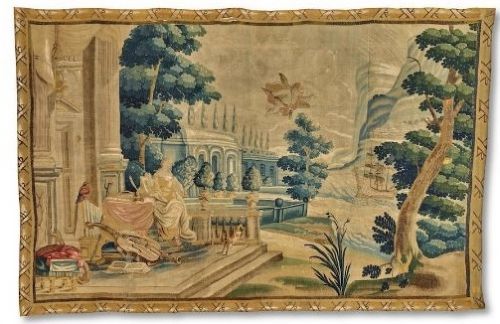
A baroque wall hanging brings dramatic seventeenth and eighteenth-century presence to a room through woven textile art, carved giltwood, and embroidered silk.
Baroque Wall Hanging
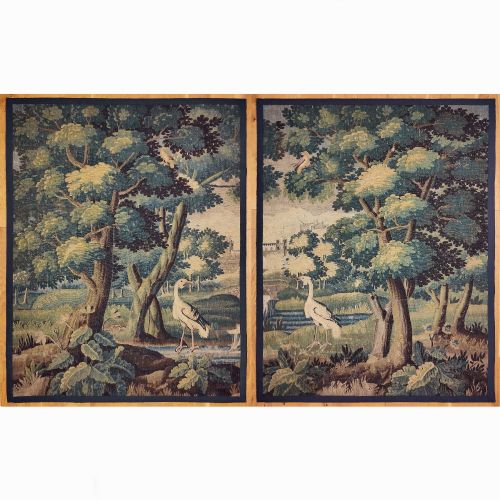
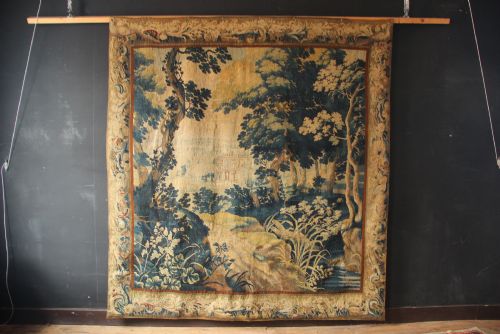
When you search for a baroque wall hanging, you encounter grand Flemish verdure tapestries, French needlework panels, and carved wooden mirrors that dominate an interior. These pieces embody the theatrical, ornate spirit of the seventeenth and eighteenth centuries, functioning as primary focal points for large architectural spaces.
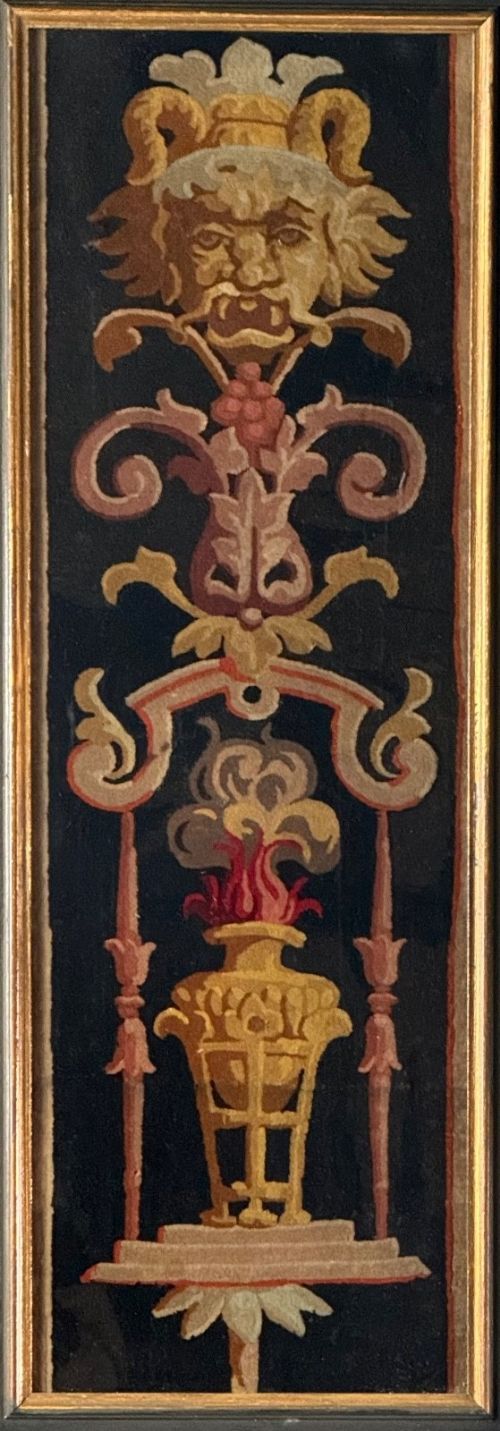
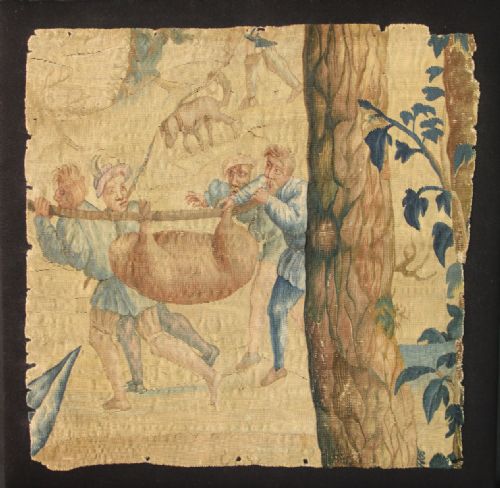
You are most likely to meet large Flemish tapestries depicting mythologies and woodland park scenes alongside carved giltwood and gesso wall mirrors from later revival periods. Textile examples range from wool and silk hangings to ciselé silk velvet panels and embroidered fragments.
Originating primarily from French, Flemish, and Italian workshops, these works span genuine seventeenth-century survivals up to nineteenth-century interpretations. The selection balances woven textile art with heavily decorated wooden frames and relief plaques.
How they were made
Woven tapestries combine wool and silk threads on heavy looms to create verdure landscapes and narrative scenes with immense depth. Textile panels often utilise embroidered silk velvet or needlework techniques.
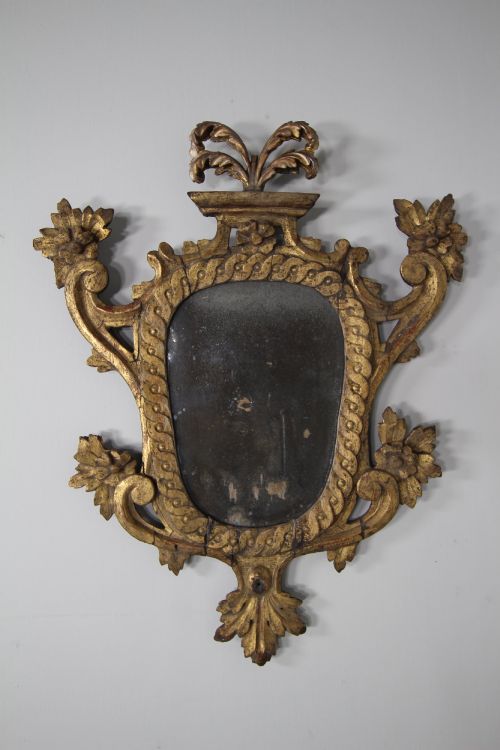
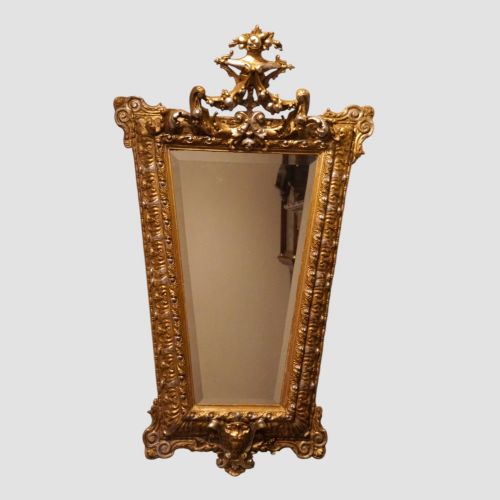
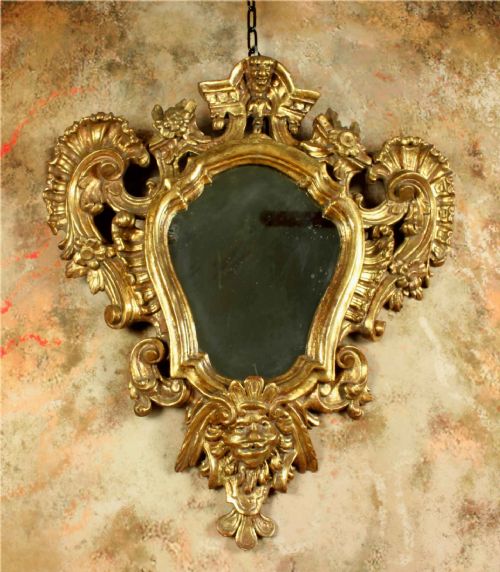
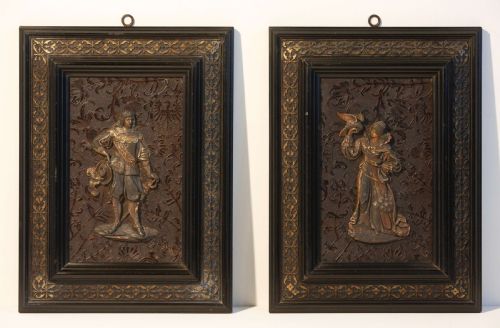
Mirrors and carved wooden panels rely on carved wood, giltwood, and gesso coated in gold leaf or silver-leaf. Makers shaped timber foundations before applying intricate decorative motifs like masks, cherubs, and scrolling foliage.
Baroque Wall Hanging Retail Price Guide 2026
Typical asking prices for baroque wall hanging among the pieces listed under this phrase on Sellingantiques today, from the lower quarter to the upper quarter. They describe what is for sale here now, not the wider market.
Carved wooden cherubs and fierce lion heads gaze out from seventeenth-century frames, keeping silent watch over centuries of domestic life.
What varies in quality
The distinction between ordinary and exceptional pieces lies in the crispness of the carving and the complexity of the woven palette. Finer tapestries display subtle tonal gradations in wool and silk, whereas better carved frames exhibit deep relief work and refined gilding rather than flat, mechanical surfacing.
Original components dictate the standing of a mirror or textile panel, particularly the presence of early mercury plates in frames or intact selvedges on tapestries. Artistry in the initial design, whether a mythological Brussels weaving or a Florentine giltwood frame, elevates the entire object.
The Baroque Wall Hanging Glossary
- Verdure tapestry
- A woven wall hanging depicting lush foliage, trees, and gardens, frequently featuring birds or animals within a woodland setting.
- Giltwood
- Timber that has been coated with a thin layer of gold leaf or gold paint, standard for ornate seventeenth and eighteenth-century mirror frames.
- Ciselé velvet
- A velvet fabric where the pile is cut in relief against an uncut background, creating patterned velvet textiles used for luxury hangings.
- Gesso
- A plaster-like mixture applied to wood surfaces as a smooth base for gilding and intricate decorative relief work.
- Mercury plate
- An early type of mirror glass created using a tin and mercury amalgam, identifiable by slight distortions and age foxing.
Baroque Wall Hanging: Frequently Asked Questions
How do I hang a heavy tapestry?
Large textile pieces require even weight distribution along the top edge using a heavy-duty timber batten or a sleeve sewn to the reverse. This prevents the fabric from stretching and distorting under its own weight.
Ensure the mounting hardware fastens securely into structural wall studs rather than surface plaster alone, given the considerable scale of seventeenth-century wall art.
Where should I place a gilt mirror?
Position gilded mirrors opposite windows to maximise the reflection of natural daylight and brighten darker interior rooms. The reflective glass paired with carved frames creates a strong architectural anchor above mantelpieces or console tables.
Keep these delicate surfaces away from direct, harsh sunlight and high humidity to protect the underlying gesso and gold leaf from deterioration.
How do I clean textile wall art?
Gentle surface dust removal using a soft brush or low-suction vacuum with a mesh screen attachment helps maintain woven wool and silk fibres. Avoid vigorous rubbing or any chemical cleaning agents that might disturb aged threads.
Professional textile conservators should handle major cleaning or structural stabilization for antique tapestries and embroidered velvet panels.
What is the difference between original and revival pieces?
Seventeenth and eighteenth-century originals carry the authentic materials, wear patterns, and manufacturing techniques of their period of origin. They represent direct historical artefacts from Flemish, French, or Italian workshops.
Revival pieces, often produced during the nineteenth or early twentieth centuries, emulate earlier baroque aesthetics using contemporary methods while retaining decorative impact.