




Baroque Tapestries
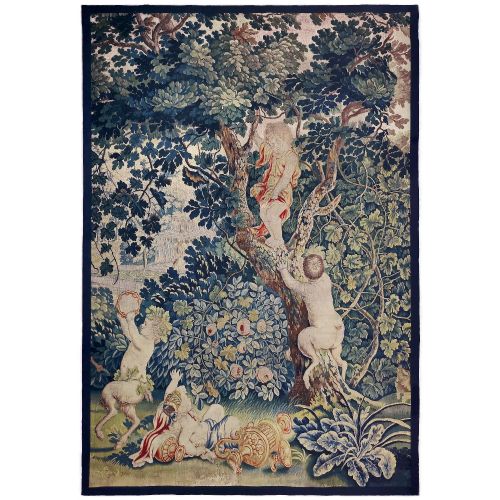
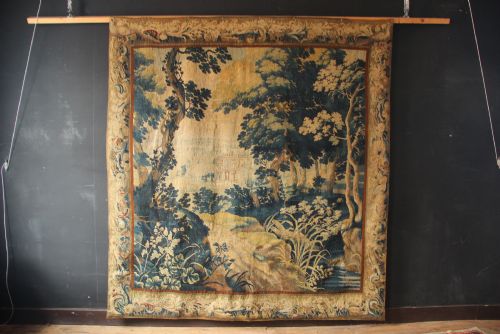
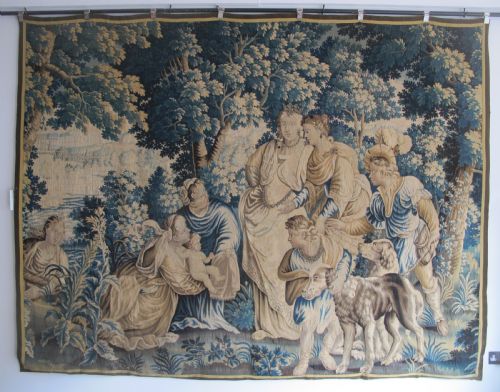
Baroque tapestries bring grand mythologies, lush verdure landscapes and woven architectural panels into a room with immense visual gravity.
Baroque Tapestries
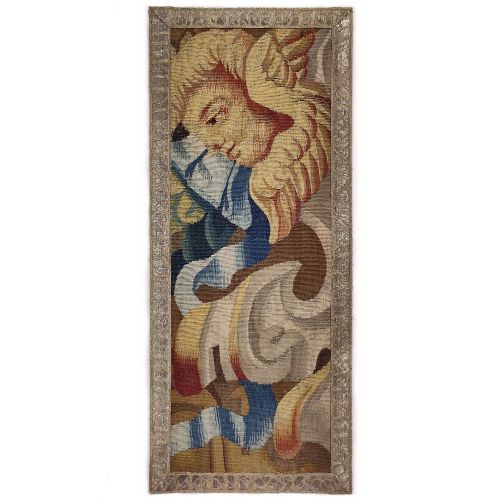
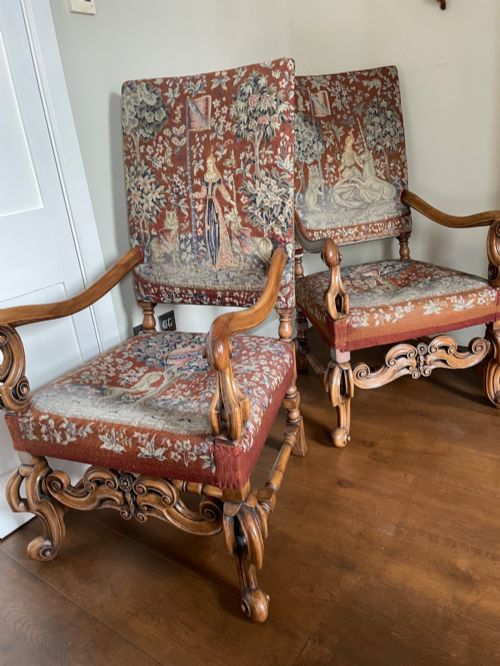
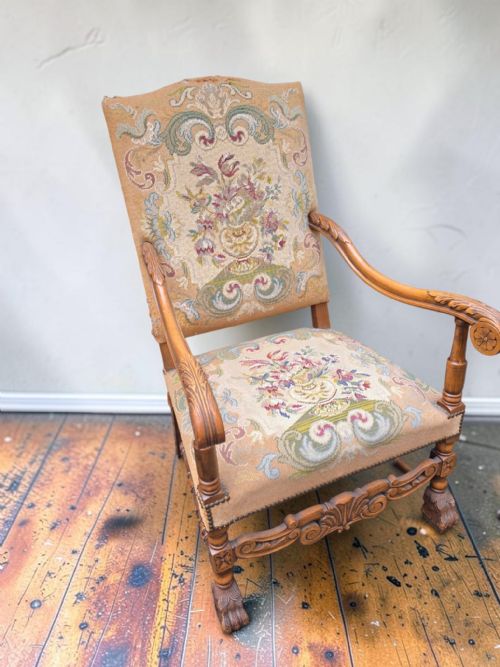
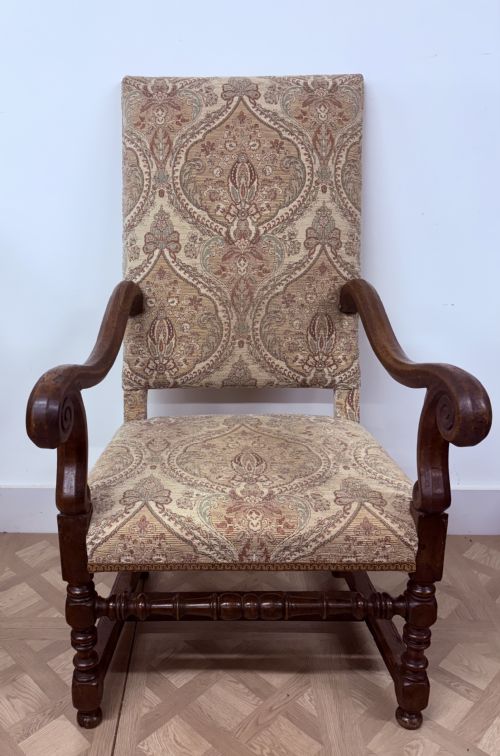
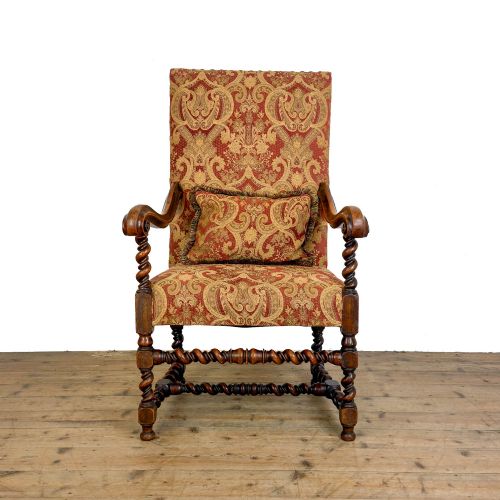
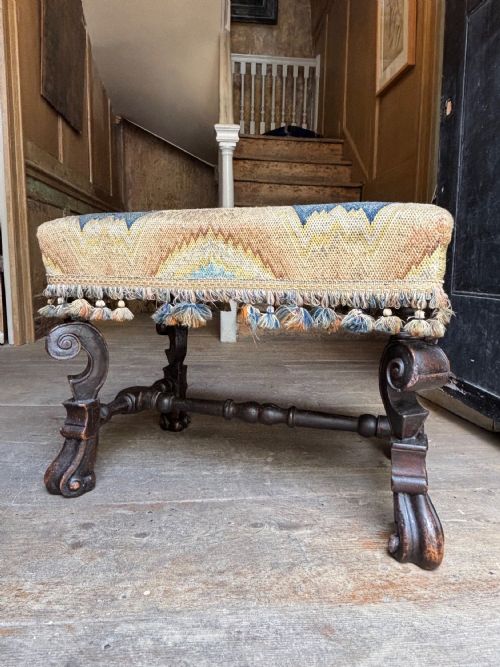
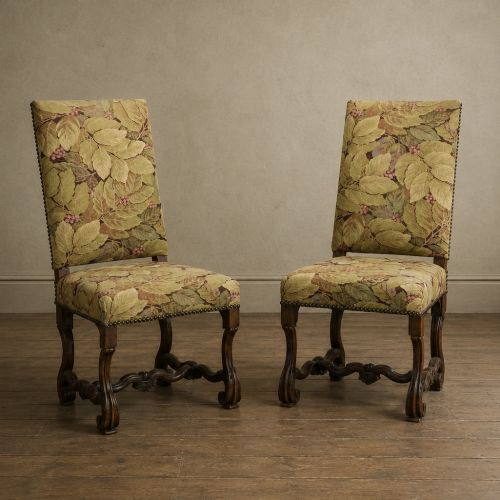
Baroque tapestries encompass grand wall hangings, fragmentary panels, and needlework textiles alongside upholstered seating such as walnut armchairs and footstools covered in period fabric. These pieces span from the seventeenth century through the eighteenth century, with later nineteenth-century revivals and early twentieth-century interpretations also appearing.
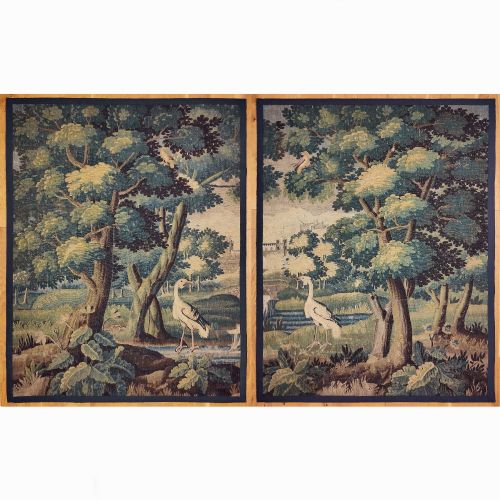
The buyer frequently encounters Flemish and French works, including Aubusson and Brussels weaves, alongside English embroidered panels and Italian examples. Subjects range from dense verdure landscapes and game parks to biblical scenes and mythological narratives.
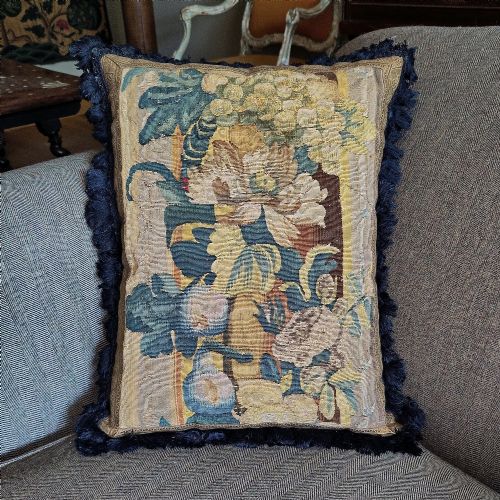
Smaller decorative items such as cushion covers and framed silkwork panels represent the scale of domestic application for these textiles. Walnut and giltwood frames often house these woven pieces or support chairs styled in the taste of the period.
Materials and Construction
These textiles rely principally on wool and silk threads hand-woven on looms or worked in fine needlework and embroidery on linen grounds. The interplay of dyed wool for structural depth and silk for luminous highlights gives these panels their enduring pictorial richness.
Supporting frames utilise hardwoods such as walnut alongside carved giltwood and ebonised timber, fashioned into elbow chairs, side chairs and stools. Ciselé silk velvet and additional fabric trims complete the upholstery and border elements found across the items.
Baroque Tapestries Retail Price Guide 2026
Typical asking prices for baroque tapestries among the pieces listed under this phrase on Sellingantiques today, from the lower quarter to the upper quarter. They describe what is for sale here now, not the wider market.
Several seventeenth-century Flemish panels depict quiet game parks where small embroidered hounds eternally chase hares through endless green woods.
Differentiating Quality
Quality rests upon the fineness of the weave and the complexity of the pictorial design, separating large-scale mythological narratives from standard decorative borders. The density of the silk and wool threads dictates the longevity and visual clarity of the landscape or figures.
The integrity of the supporting walnut or giltwood frame and the preservation of the original needlework or tapestry cover determine the overall standing of an armchair or panel. Fragmentary survivals hold distinct merit depending on the completeness and execution of the remaining design.
The Baroque Tapestries Glossary
- Verdure
- A tapestry featuring a heavy design of foliage, trees, and plants, often incorporating birds or distant châteaux. These pastoral scenes dominated seventeenth-century production.
- Aubusson
- A style of tapestry originating from the town of Aubusson in France, known for pictorial scenes and floral borders. These panels often depict pastoral or classical subjects.
- Needlework
- Hand-stitched embroidery executed on a canvas or linen ground using wool or silk threads. Pieces in this technique frequently serve as upholstery for period armchairs.
- Ciselé velvet
- A velvet fabric featuring a pattern created by varying pile heights or cut and uncut loops. This material appears in rich wall hangings and window treatments.
- Grotesques
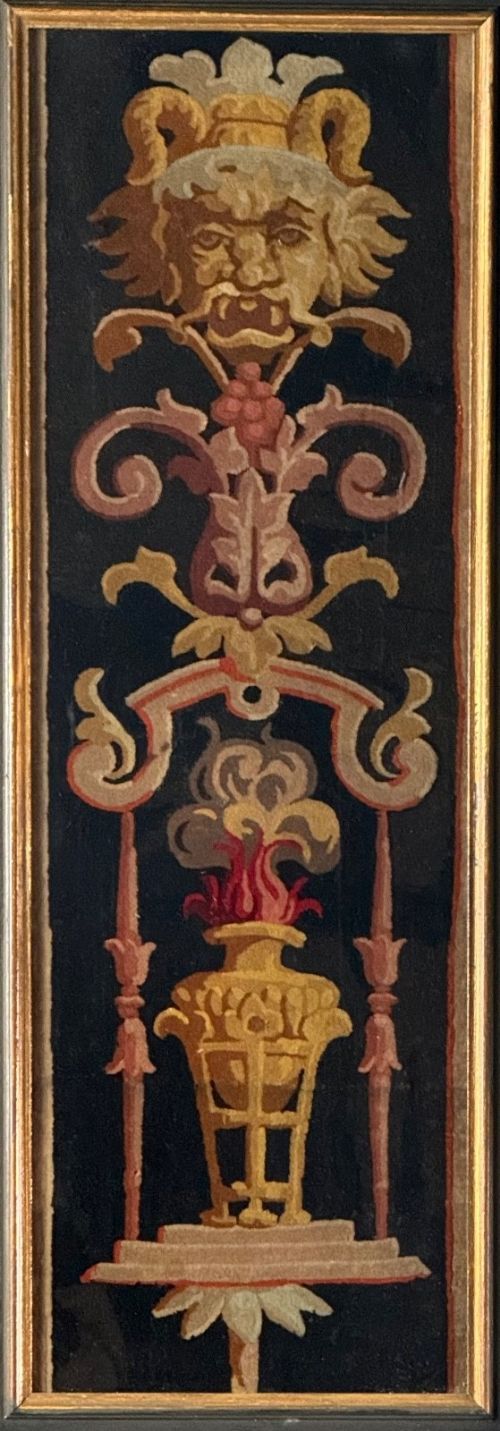
- Decorative ornamentation featuring interwoven human figures, animals, and foliage inspired by classical Roman frescoes. This motif appears in seventeenth-century panels.
Baroque Tapestries: Frequently Asked Questions
How do I hang a large tapestry safely?
Large wall hangings require a weight-distributing wooden batten or a hidden velcro system stitched to the upper reverse edge. This prevents undue strain on the historic wool and silk fibres.
Direct sunlight must be avoided to protect dyed yarns from fading over time. Professional conservation mounting ensures the fabric remains flat without distortion.
Can I use tapestry covered chairs daily?
Period armchairs and stools with needlework or tapestry covers tolerate gentle daily use when placed away from heavy friction and direct heat sources. The underlying walnut frames provide robust structural support for seating.
Rotating smaller items like cushion covers helps distribute wear evenly across the textile surface. Professional cleaning should be undertaken sparingly by specialists in historic fabrics.
What is the difference between verdure and mythological tapestries?
Verdure panels focus primarily on botanical landscapes, dense woodlands, and natural flora with occasional animals. They create a calming, immersive garden atmosphere within an interior space.
Mythological and biblical pieces centre on narrative human figures, historical events, and complex allegories. These command greater visual attention through dramatic compositions and detailed character portrayals.
How are seventeenth and nineteenth-century pieces told apart?
Seventeenth-century originals display hand-spun yarns with natural dye variations and authentic wear patterns suited to their age. The weave density and subject matter align with historical Flemish or French manufactory output.
Revival pieces from the nineteenth century often utilise machine-assisted techniques or standardised chemical dyes. Examination of the reverse side and edge bindings reveals clues regarding manufacturing date.