

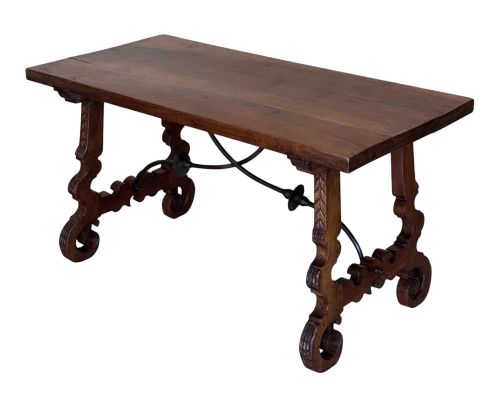
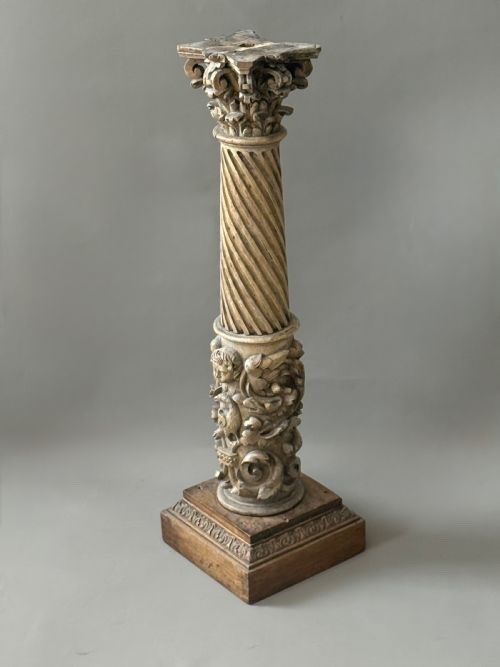
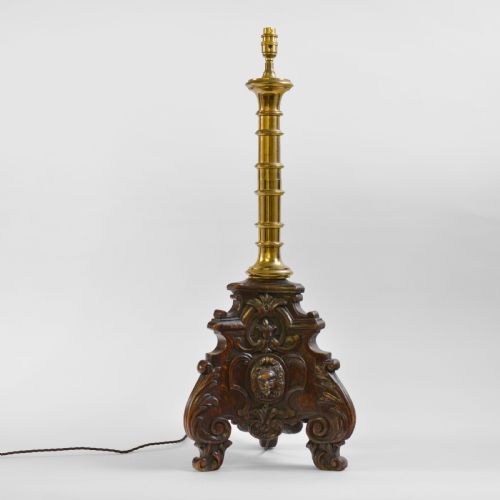

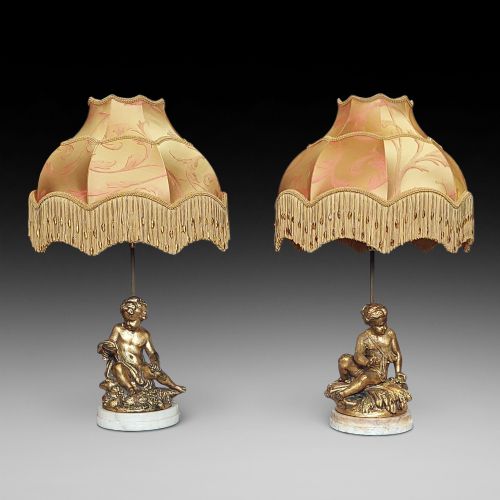


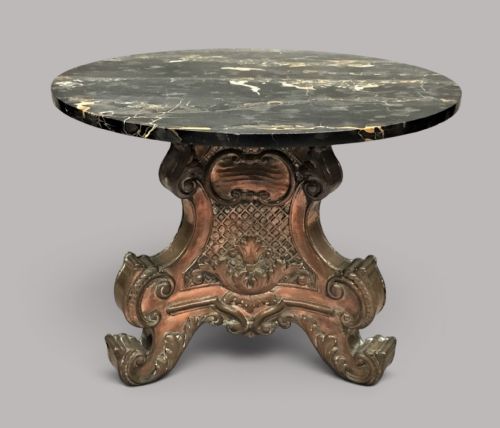
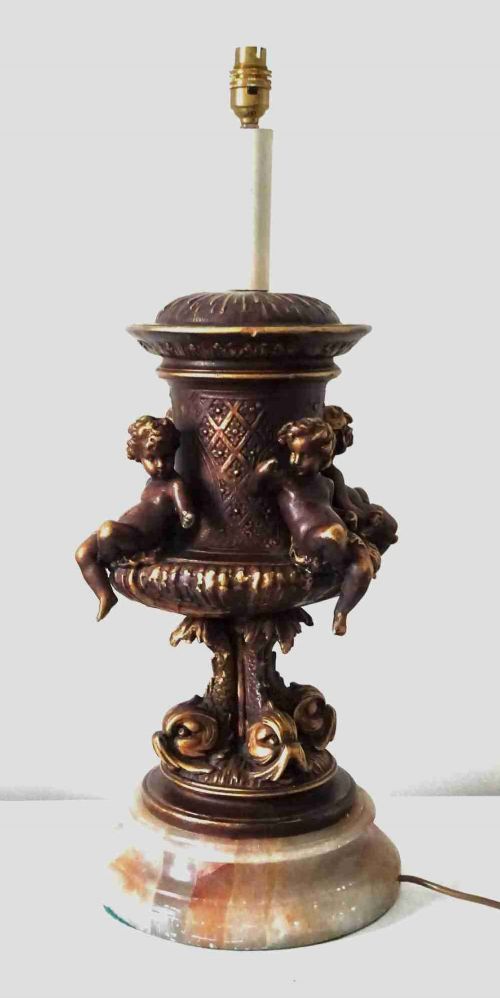


Baroque Table Base
These pieces known as a baroque table base offer robust architectural presence, emerging from centuries of European craftsmanship.
Baroque Table Base
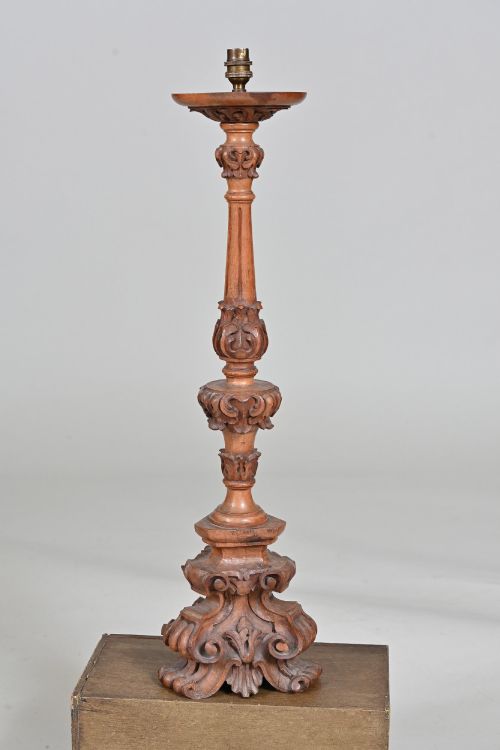
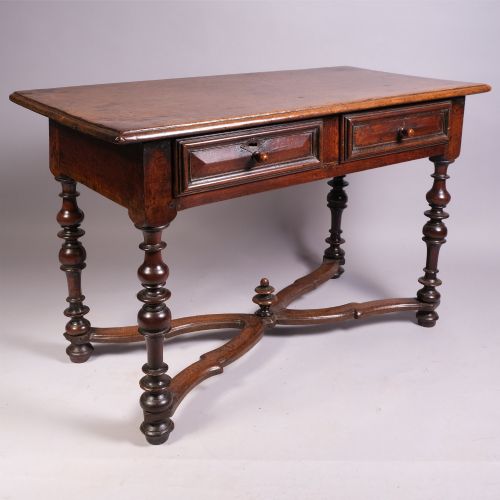
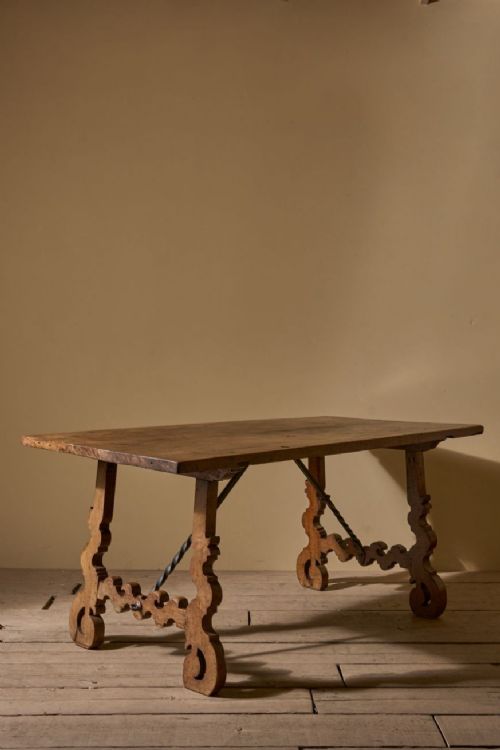
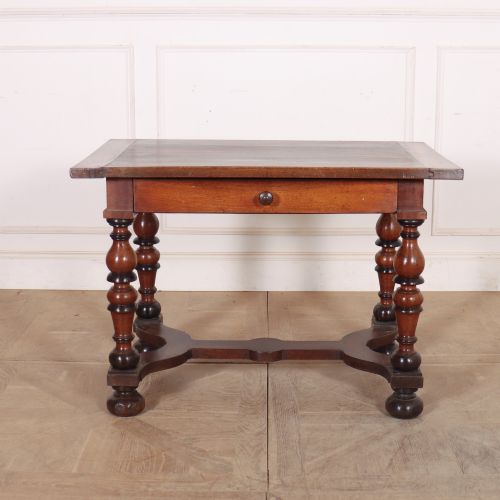
A baroque table base delivers sculptural weight and dramatic silhouette, drawing upon Italian, Spanish, and continental traditions. When you search for a baroque table base, you encounter substantial dining and side tables alongside converted lamp bases and pillars.
The materials span walnut, oak, and yew alongside wrought iron and giltwood, reflecting centuries of domestic and ecclesiastical commission. Many examples date from the seventeenth and eighteenth centuries, complemented by later revivals from the Victorian and Edwardian eras.
Support structures take the form of heavy pedestals, carved caryatids, and console stands designed to anchor a room. The proportion remains generous, whether applied to a low centre table or a monumental carved wooden pillar.
Materials and construction
Carved timber forms the core of these constructions, utilising walnut, oak, and yew shaped with deep relief and vigorous moulding. Carpenters employed traditional joinery to support heavy tops, while turnery and detailed chiselling defined the uprights.
Surface treatment frequently involves gesso and gilding, applying thin layers of gold leaf over prepared grounds to catch the candlelight. Metal components in brass and copper appear alongside marble mounts, introducing varied tactile contrast.
Baroque Table Base Retail Price Guide 2026
Typical asking prices for baroque table base among the pieces listed under this phrase on Sellingantiques today, from the lower quarter to the upper quarter. They describe what is for sale here now, not the wider market.
Current listings feature pieces spanning the seventeenth century through the early twentieth century, constructed from walnut, oak, brass, and giltwood.
Assessing quality
The depth and clarity of the hand carving dictate the visual impact of the piece, separating routine workshops from master carvers. Crisp undercut details in walnut or oak reveal a secure command of the idiom.
Surface integrity and the preservation of original gilding or patinated wood determine the historical weight of the object. Cohesive proportion between the support and its intended function governs the overall balance.
B Battioli Varese
The Baroque Table Base Glossary
- Baroque
- A European artistic style originating in the seventeenth century, characterised by drama, exuberant movement, and grandeur. It manifests in architecture and furniture through bold curves and rich ornamentation.
- Giltwood
- Timber treated with gold leaf or powder over a prepared gesso ground. This technique creates a luminous, reflective surface common on decorative stands and lamp bases.
- Caryatid
- A sculpted female figure serving as an architectural support in place of a column or pillar. These figures often appear on heavy stands and furniture bases.
- Console Table
- A table fixed to a wall or designed to stand against one, frequently supported by ornate brackets or carved legs. They often feature shaped marble or wooden tops.
- Gesso
- A plaster mixture used as a smooth base for paint or gilding on wood. It allows for crisp moulding before the application of metal leaf.
Baroque Table Base: Frequently Asked Questions
What is a baroque table base?
A baroque table base is a heavily carved and ornate structural support, often originating from seventeenth or eighteenth century European traditions. These pieces utilise substantial timbers like walnut and oak to create dramatic architectural statements.
Buyers encounter them supporting tables, desks, or adapted as large lamp bases. Their sculptural presence defines the character of a room.
How do I identify the period?
Period identification relies upon examining tool marks, timber shrinkage, and the specific characteristics of the carving style. Seventeenth and eighteenth century pieces display hand-wrought joinery and deep patination.
Later nineteenth and twentieth century revivals often incorporate stylised interpretations with cleaner mechanical cuts. Comparing the material density helps clarify the age.
Where were these pieces made?
These pieces originate across continental Europe, with strong representation from Italy, Spain, France, and Flanders. Regional workshops adapted local timbers such as walnut, oak, and yew to regional aesthetic preferences.
Italian and Spanish examples frequently exhibit dramatic figural carving, while northern workshops favoured robust structural joinery. Trade and travel subsequently distributed these items widely.
How do I live with one?
Integrating these pieces requires balancing their considerable visual weight within modern or traditional interiors. They function effectively as anchor points in hallways, studies, or living spaces.
Care involves maintaining stable humidity to protect old timber and delicate gilt surfaces. Gentle dusting preserves the natural patina without harsh chemical intervention.