


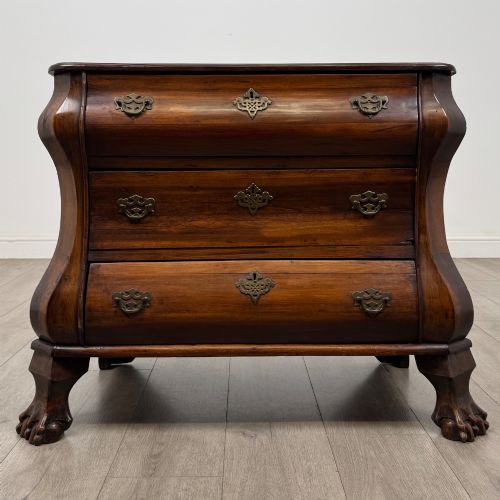
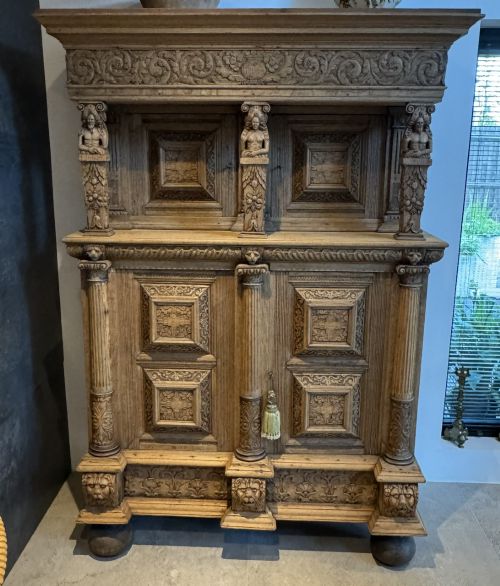
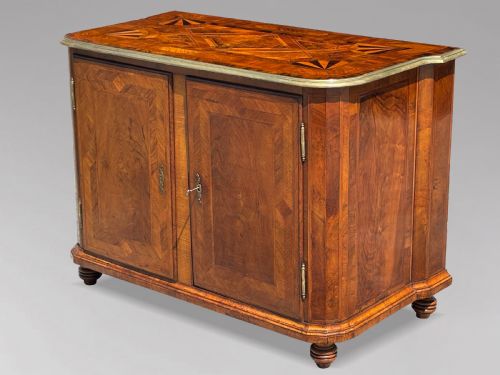


Baroque Style Furniture
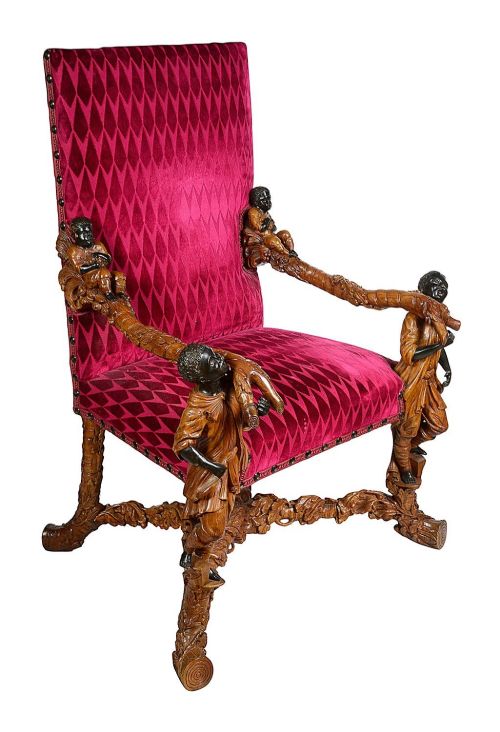
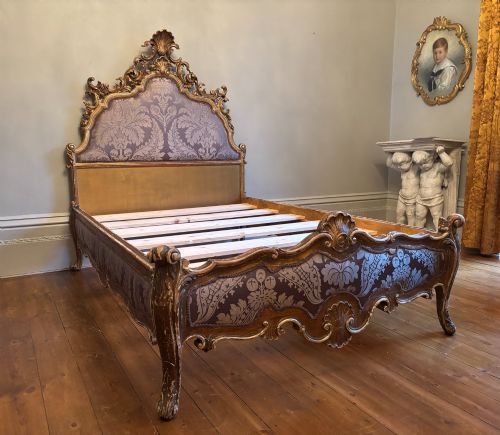
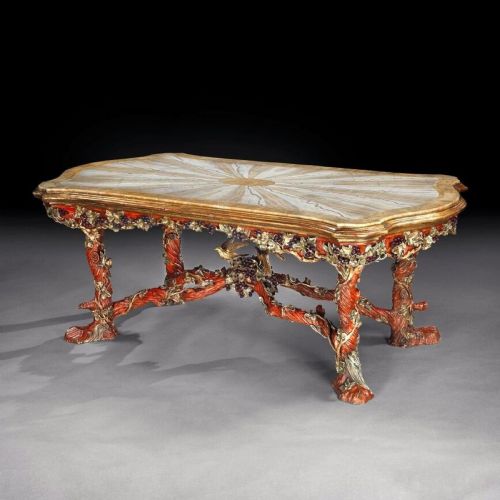
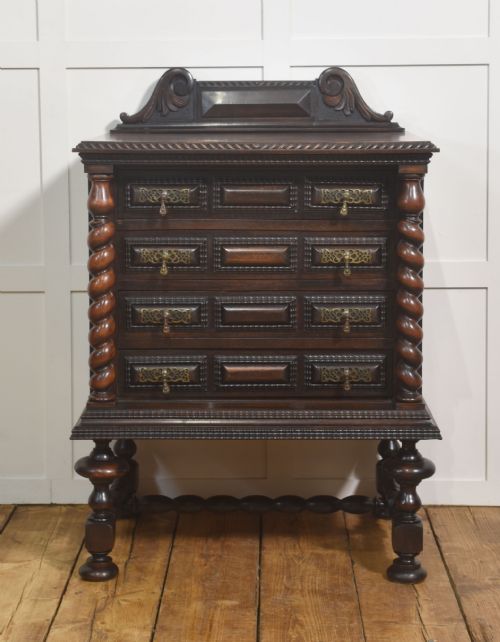
Baroque style furniture brings heavy carved timber, grand proportions and dramatic presence into a room.
Baroque Style Furniture
Baroque style furniture encompasses grand seating, heavy storage pieces and centre tables originating from various European centres including Italy, Flanders, Holland, Spain and Portugal. When examining baroque style furniture on this page, you encounter pieces spanning from the seventeenth century through to revival periods in the nineteenth and early twentieth centuries.
The selection ranges from oak and walnut chests of drawers and commodes to giltwood armchairs, side tables and display cabinets. These forms show deep carving, scrolling supports and substantial silhouettes designed to anchor a room.
You meet both original seventeenth and eighteenth-century examples alongside nineteenth-century revival pieces drawing upon Dutch, Flemish and Italian sources. Each piece demonstrates the heavy timber construction and decorative carving typical of the aesthetic.
What varies in quality
Quality rests in the depth and precision of the hand carving, where crisp lines and confident relief separate superior work from softer, flatter execution. The choice of timber grain, particularly in burr walnut or figured rosewood surfaces, dictates the visual impact of the piece.
Construction methods and the integrity of the original timber frame determine the durability and historical value of surviving cabinets, commodes and seating. Pieces retaining their early surface finishes, whether paint, giltwood or polished walnut, hold greater decorative and material consistency.
Baroque Style Furniture Retail Price Guide 2026
Typical asking prices for baroque style furniture among the pieces listed under this phrase on Sellingantiques today, from the lower quarter to the upper quarter. They describe what is for sale here now, not the wider market.
Form categories include chests of drawers, armchairs, centre tables, commodes, cabinets and andirons.
Amleto Bertoni
The Baroque Style Furniture Glossary
- Bombe
- A bulging or swelling contour found on the front and sides of certain chests of drawers and commodes. This curved profile requires skilled timber shaping.
- Giltwood
- Timber that has been coated with gold leaf or metallic paint. This finish creates a brilliant reflective surface on decorative furniture frames and mirrors.
- Marquetry
- Patterns created on furniture surfaces using thin pieces of contrasting wood veneer. Craftsmen assemble these wooden elements to form pictorial or geometric designs.
- Commode
- A low chest of drawers or cabinet developed in France during the seventeenth century. These storage pieces often feature prominent decorative hardware and shaped fronts.
Baroque Style Furniture: Frequently Asked Questions
How do I spot a revival piece?
Revival pieces often display nineteenth-century manufacturing methods beneath eighteenth-century stylistic motifs. Examine the interior timbers and secondary woods for clues to the actual date of assembly.
Hardware placement and screw types also help differentiate original seventeenth-century construction from later nineteenth-century interpretations.
Where did these styles originate?
The aesthetic developed across seventeenth-century Europe, with distinct regional interpretations emerging in Italy, Flanders, Spain and the Netherlands. Dutch and Flemish workshops favoured figured walnut and oak, while Italian makers utilised giltwood and polychrome finishes.
Later nineteenth-century revival pieces recreated these regional variations across Britain and continental Europe.
How do I care for polished wood?
Maintain timber surfaces by avoiding direct sunlight and excessive humidity fluctuations. Regular dusting with a soft, dry cloth preserves the underlying polish and natural grain.
Refrain from using silicone-based polishes that can degrade historical finishes over time.
Are these pieces suitable for daily use?
Sturdily constructed tables, desks and chests of drawers function well in modern interiors. Seating requires careful assessment of the internal frame stability before regular seating use.
Most items serve effectively as both functional furniture and prominent decorative focal points.