





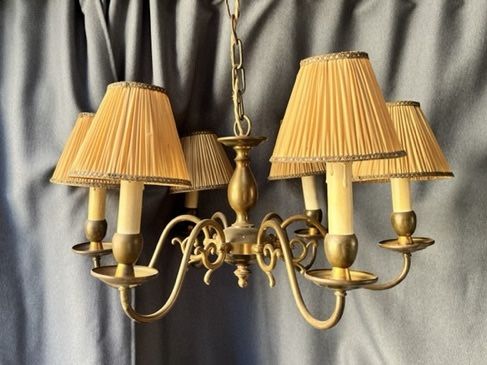


Baroque Style Ceiling Fixture
These baroque style ceiling fixtures bring dramatic presence to a room through grand scale and sculptural metalwork.
Baroque Style Ceiling Fixture
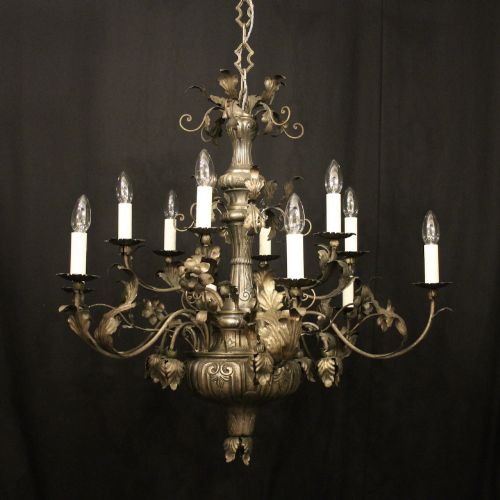
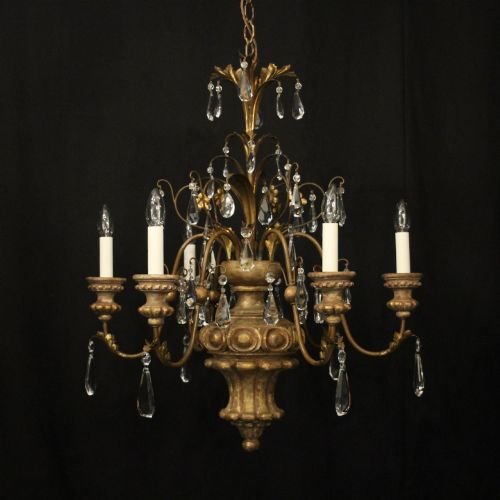
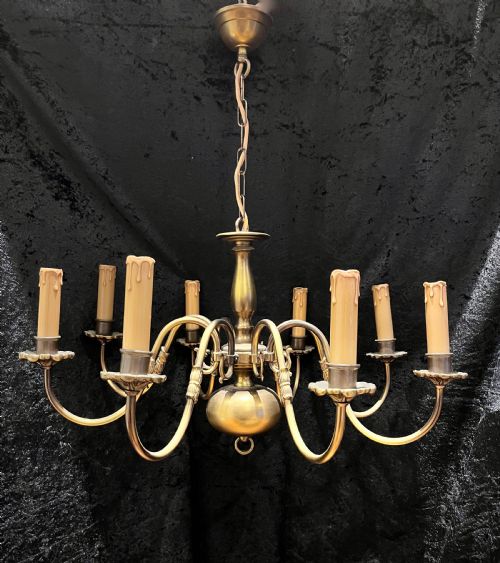
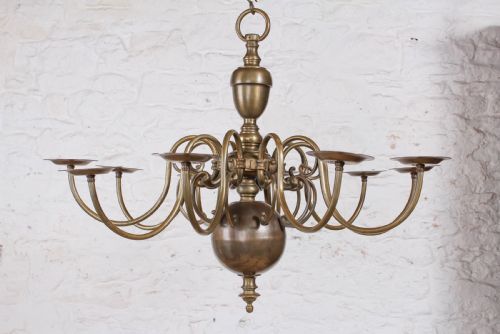
A baroque style ceiling fixture delivers considerable visual weight through multi-tiered candle arms, heavy cast components, and elaborate scrollwork. Buyers pursuing a baroque style ceiling fixture typically encounter large chandeliers and hanging lanterns sourced from Italy, the Netherlands, and Flanders.
Italian examples often showcase carved giltwood and crystal, whereas Dutch and Flemish variants rely heavily on solid brass, copper, and dual-tier arm arrangements. These grand illumination pieces suit high ceilings and traditional reception rooms demanding strong architectural presence.
Construction and materials
Makers constructed these fixtures using cast brass, forged iron, and carved wood finished with gold leaf or gilding. Solid metal components provide the structural backbone for multi-armed brass and bronze chandeliers.
Gilded wood and carved elements receive meticulous hand-finishing to create the characteristic ornate surfaces associated with Italian Florentine and Genoese workshops. Metal casting and hand chasing define the detailed scrollwork on heavy pendant frames.
Baroque Style Ceiling Fixture Retail Price Guide 2026
Typical asking prices for baroque style ceiling fixture among the pieces listed under this phrase on Sellingantiques today, from the lower quarter to the upper quarter. They describe what is for sale here now, not the wider market.
Recorded periods span the 18th Century alongside Edwardian, 1900, 1920, and 1930 revivals.
Assessing quality and craftsmanship
Quality separates fixtures by the crispness of metal casting, the depth of hand-carving in wooden components, and the integrity of the gilding. Superior examples display sharply defined acanthus scrolls and securely seated candle branches rather than soft, mass-produced contours.
The scale of the piece and the complexity of multi-tiered arm arrangements dictate the standard of execution. Heavier gauge brass and solid bronze components indicate higher manufacturing ambition than lighter plated alternatives.
The Baroque Style Ceiling Fixture Glossary
- Chandelier
- A branched ornamental light fixture suspended from the ceiling. These pieces typically hold multiple candles or electric bulbs arranged across single or double tiers.
- Giltwood
- Wood that has been treated with a thin layer of gold leaf or gesso and gold paint. This technique creates a luminous surface common in Italian baroque framing.
- Pendant
- A light fixture that hangs suspended from the ceiling by a single rod, chain, or cord. These contrast with flush-mount alternatives.
- Tier
- A circular row of branches or lights arranged horizontally on a fixture. Double-tier chandeliers feature two distinct levels of branches stacked vertically.
- Repoussé
- A metalworking technique where the metal is hammered from the reverse side to form a raised design in relief. This method appears frequently in decorative brass and copper lighting components.
Baroque Style Ceiling Fixture: Frequently Asked Questions
What rooms suit a large baroque chandelier?
These grand fixtures demand high ceilings and generous floor space to balance their physical scale and light output. Dining rooms, entrance halls, and double-height living spaces provide ideal proportions.
Placing a large multi-tier chandelier in a compact room overwhelms the architectural balance.
How do I clean an antique giltwood fixture?
Giltwood requires delicate dusting with a soft, dry brush to prevent damage to the gold leaf surface. Avoid liquid cleaners and harsh chemical solvents entirely.
Professional conservation is advised if the gilded surface shows signs of flaking or structural instability.
Are these fixtures wired for modern electricity?
Most surviving pieces have been adapted for contemporary electrical standards during their lifespan. Rewiring ensures compliance with current safety regulations.
Buyers should inspect the internal wiring paths or consult an electrician to verify the current electrical status of older brass and bronze frames.