




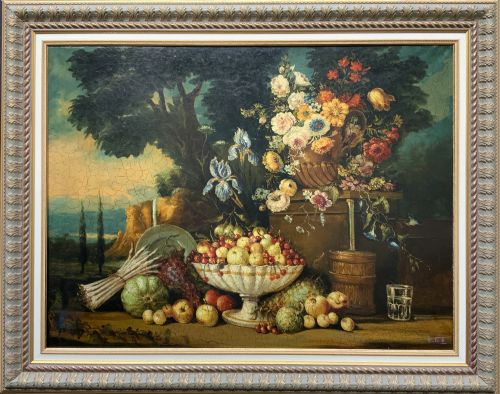
Baroque Frame Painting
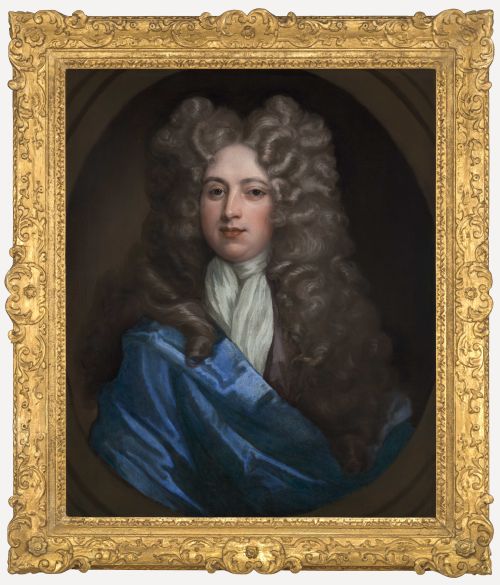
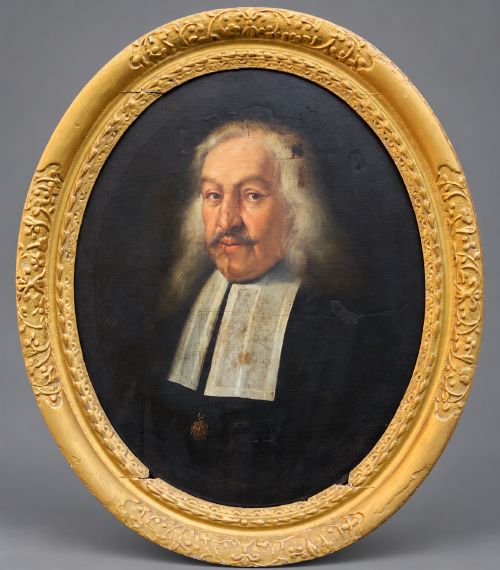
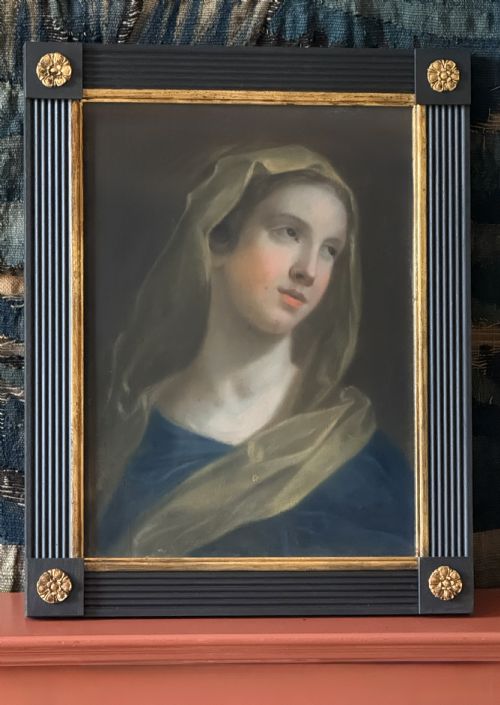
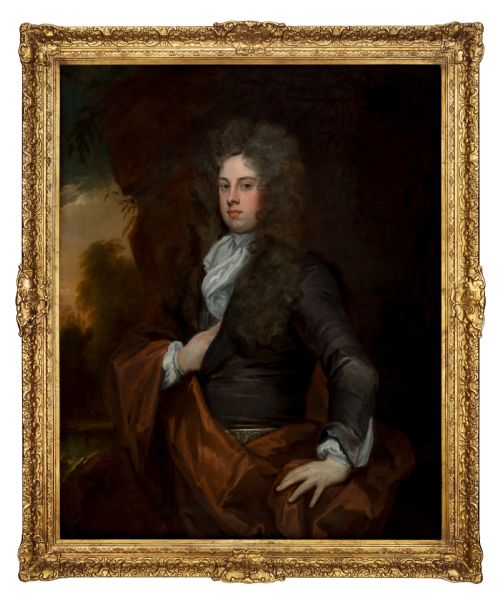
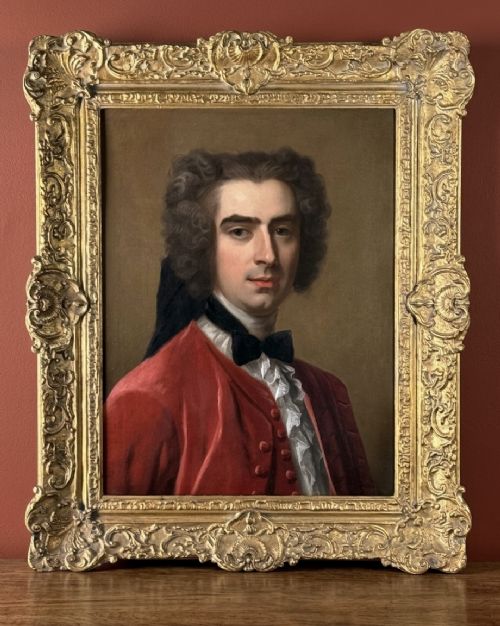
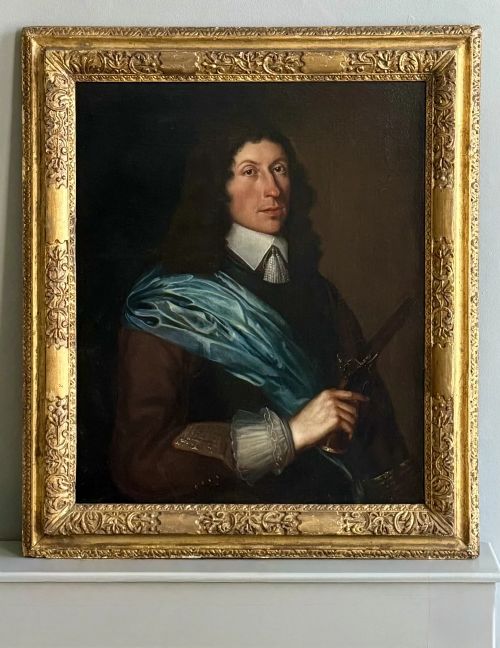
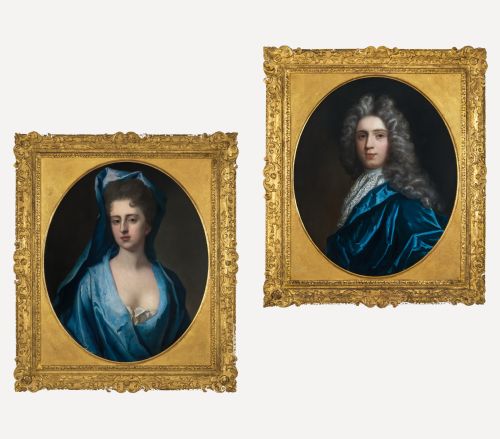
A baroque frame painting brings together grand portraiture or rich still life with heavy, gilded surrounds that anchor a historic interior.
Baroque Frame Painting
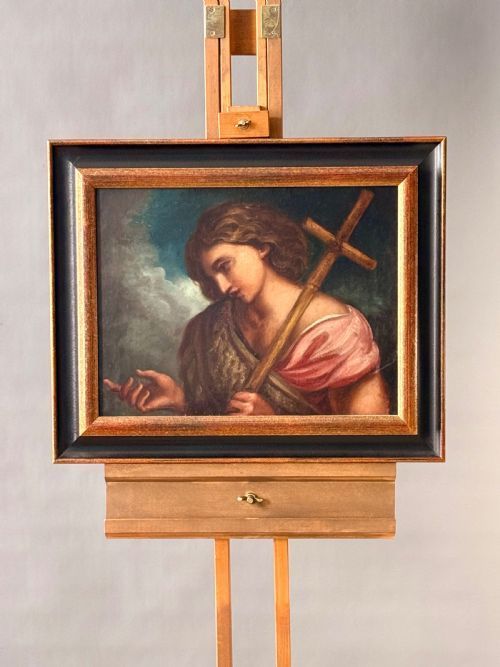
A baroque frame painting encompasses oil on canvas or panel works, frequently featuring formal portraits of nobility, mythological scenes, and floral still lifes. These works originate predominantly from the seventeenth and eighteenth centuries, with later interpretations and revival pieces also appearing.
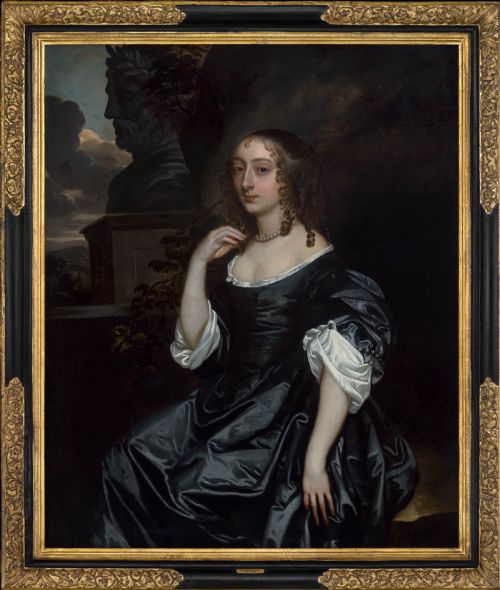
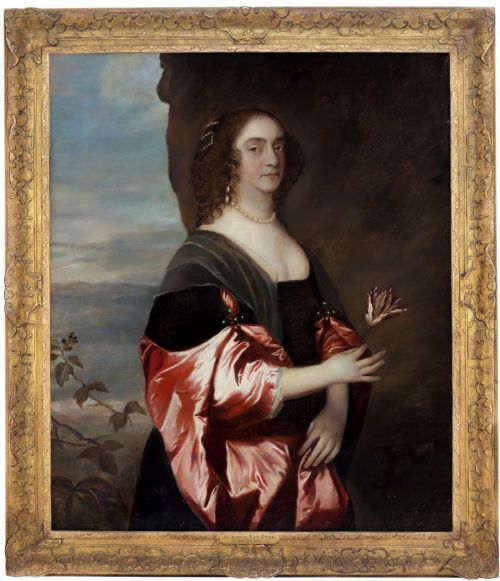
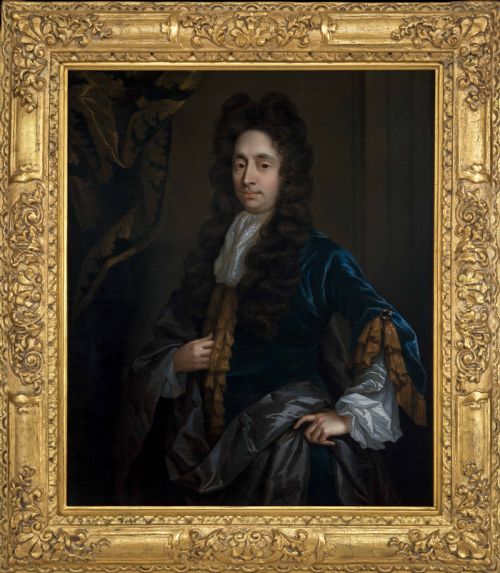
Portraits dominate the selection, depicting subjects from British, Dutch, Flemish, French, and Italian schools. Makers and studios render sitters in armour, ruff collars, velvet gowns, and flowing periwigs, often set within ornate architectural surrounds.
Buyers encounter oil paintings executed by regional schools and circle members of prominent portraitists. The grouping also includes wall mirrors sharing the decorative moulding vocabulary of the period.
Materials and technique
Artisans applied oil paint to stretched canvas, wooden panels, or occasionally vinyl canvas and glass surfaces, building rich layers of pigment for clothing, flesh tones, and deep backgrounds.
Surrounds utilise carved wood finished with gold leaf or giltwood, creating reflective surfaces that catch natural light and complement the darkened tones of aged oil paintings.
Baroque Frame Painting Retail Price Guide 2026
Typical asking prices for baroque frame painting among the pieces listed under this phrase on Sellingantiques today, from the lower quarter to the upper quarter. They describe what is for sale here now, not the wider market.
Listings feature oil on canvas and giltwood materials originating across seventeenth and eighteenth-century British, Dutch, and French schools.
Quality and execution
The intricacy and preservation of the accompanying wooden or giltwood surround dictate the aesthetic weight of the object. Hand-carved mouldings with original gold leaf display superior craftsmanship compared to later replacements.
Sir Godfrey Kneller·Sir Peter Lely·Charles Jervas·Jean-Baptiste Van Loo·Jeremiah Davison
The Baroque Frame Painting Glossary
- Oil on canvas
- Pigment mixed with drying oil applied to a woven fabric support. This combination allows for subtle blending of tones and enduring flexibility.
- Giltwood
- Wood carved and coated with a thin layer of gold leaf or gold paint. It provides a luminous, reflective border suited to heavy historic frames.
- Oil on panel
- Pigment applied to a prepared wooden board rather than fabric. Panels offer a rigid ground that preserves fine detail over centuries.
- Circle of
- An artwork produced by an unidentified artist working in the style and studio tradition of a master. It denotes close proximity to the named painter's immediate sphere.
Baroque Frame Painting: Frequently Asked Questions
How do I identify a seventeenth-century portrait?
Seventeenth-century portraits reveal themselves through specific clothing styles such as ruff collars, lace cravats, heavy armour, and elaborate periwigs. Artists of this era utilised distinct oil pigment layering and canvas textures common to the period.
Attributions to regional schools or workshop circles further help place the work historically. Documentation or provenance notes often confirm the exact decade of execution.
Are these paintings supplied with original frames?
Many listings pair historic oil paintings with period giltwood or carved wooden surrounds that match the era of the artwork. Some frames date to later centuries while retaining the decorative style appropriate for the composition.
Buyers should examine descriptions for details regarding frame finish and construction materials. Original combinations add significant character to the piece.
What subjects appear most frequently in these works?
Portraiture of noblemen, ladies, and children forms the largest category within these listings. Subjects wear formal court attire, often accompanied by symbolic elements such as curtains, columns, or fruit.
Religious narratives, mythological scenes, and large floral still lifes also represent the era. Each subject type reflects the aesthetic priorities of seventeenth and eighteenth-century patrons.
How should I care for an antique oil painting?
Keep oil paintings away from direct sunlight and steady moisture fluctuations to protect the canvas and wooden support. Gentle dusting with a soft, dry brush maintains the surface without disturbing the varnish.
Avoid chemical cleaners on both the canvas and the giltwood frame. Professional conservators should handle any structural repairs or cleaning of aged pigment layers.