



Autumn Landscape Art
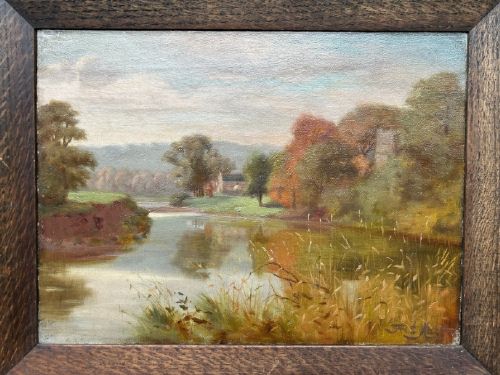
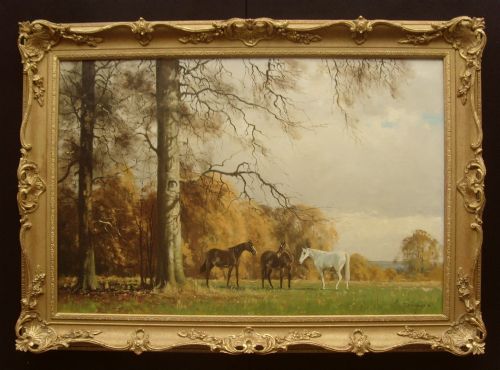
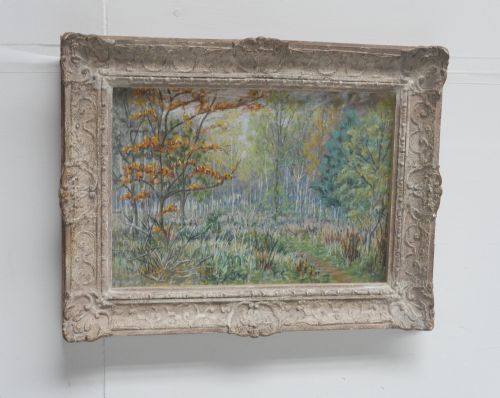
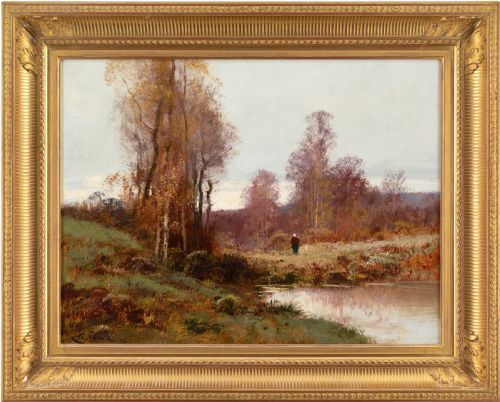
Autumn landscape art captures the distinct seasonal shift through oil, watercolour and pastel across British and European views.
Autumn Landscape Art
When you search for autumn landscape art, you encounter framed works depicting seasonal rural scenes, riversides, and woodlands produced primarily from the Victorian period through to the mid-twentieth century. The selection spans distinct regional traditions, capturing the British countryside alongside European views through the lens of various schools.
The most common formats on this page are oil paintings on canvas or wood panel and watercolours on paper. These pieces range from intimate pastoral watercolours to large oil compositions by listed artists working in styles from traditional realism to impressionism.
Subjects frequently focus on rivers, country houses, and farmsteads rendered in seasonal palettes dominated by russet, ochre, and muted browns. Works stem from defined creative periods, reflecting the changing aesthetic priorities of painters documenting rural topography.
Materials and construction
Makers utilised traditional supports including stretched canvas, prepared wood panels, and heavy-weight paper for watercolours and pastels. Oil paint was applied with brushes or palette knives to build texture, while watercolours relied on transparent washes layered over paper.
Frames contemporary to the periods, often constructed from carved and gilded wood, house the majority of these paintings. The physical build reflects the standard studio practices of nineteenth and twentieth century artists working within British and European schools.
Autumn Landscape Art Retail Price Guide 2026
Typical asking prices for autumn landscape art among the pieces listed under this phrase on Sellingantiques today, from the lower quarter to the upper quarter. They describe what is for sale here now, not the wider market.
Materials recorded across the inventory include oil paint, watercolour, pastel, canvas, wood panel, and paper.
Markers of distinction
Quality separates through the artist's handling of light, atmosphere, and spatial depth within the seasonal palette. Superior works demonstrate confident brushwork and precise tonal control that convey the specific chill and muted sunlight of an October morning.
Provenance and documentation also distinguish the works, as signed pieces with identified regional locations carry stronger historical weight. The condition of the original paint layer and the preservation of the paper or canvas determine the overall integrity of the piece.
Walter Robin Jennings·Frederick Marriott·Charles Clair·Samuel Timmins·Arthur Herbert Rigg·George Graham·Owen Bowen·William Mellor·Walter Follen Bishop·Edmund George Warren·Berthe des Clayes·John Falconar Slater·Robert Lesley Howey·Charles James Adams·Frederick W Jackson·Ernest Higgins Rigg·J McIntyre·Hans Kappel Ovre·George Sykes·Ernest Moore·Augustus William Ennes·Everett W Mellor·Fred Merriman·Frederick J Haycock·Percy Lancaster
The Autumn Landscape Art Glossary
- Oil on Canvas
- Pigment mixed with drying oil applied to a woven fabric support stretched across a wooden frame. This medium allows for rich colour saturation and varied surface texture.
- Watercolour
- A painting method where fine pigment is suspended in a water-soluble binder applied to paper. It produces translucent washes that rely on the white of the paper for luminosity.
- Wood Panel
- A rigid wooden support used by artists instead of canvas. Panels provide a completely stable surface for detailed brushwork.
- British Impressionism
- An artistic approach focusing on light and spontaneous brushwork applied to domestic subjects. Practitioners captured outdoor lighting effects distinct from rigid academic standards.
- Pastel
- A dry drawing medium composed of powdered pigment and a binder formed into a stick. It yields velvety surfaces requiring protective glass glazing.
Autumn Landscape Art: Frequently Asked Questions
How do I identify the period of a painting?
Dating relies on stylistic clues, artist active years, and framing techniques. Victorian works often feature heavier gilt frames and romantic naturalism.
Mid-century pieces shift toward lighter palettes and looser brushwork influenced by later impressionist movements.
What is the difference between oil and watercolour?
Oils use pigment suspended in oil on canvas or panel, offering thick texture and deep colour layering. Watercolours use water-soluble pigments on paper, creating translucent effects.
Oils generally require sturdy wall fixings and no glass, while watercolours must be framed behind glass to prevent moisture damage.
Where were these landscape scenes usually painted?
The pieces record specific rural locations across Britain and Europe, including Yorkshire, Staffordshire, and Durham. Artists often worked plein air or sketched on location before finishing studio canvases.
Named geographical titles allow buyers to trace the exact riverbanks and woodlands depicted.
How should I care for an antique oil painting?
Keep paintings away from direct sunlight and dramatic temperature fluctuations that cause canvas tension changes. Avoid using liquid cleaners on the painted surface.
Dust gently with a dry, soft brush and consult a professional conservator for deep cleaning.