






Austrian Secessionist Art
Austrian secessionist art captures the bold geometric and organic shifts of early twentieth-century design through striking glass, bentwood, and metalwork.
Austrian Secessionist Art
Austrian secessionist art encompasses a diverse array of domestic objects and furnishings produced around the turn of the twentieth century. These pieces reflect the progressive creative movements originating in Vienna that broke from historicist traditions.
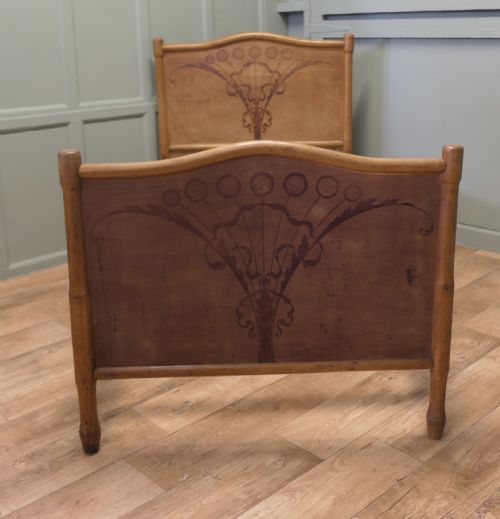
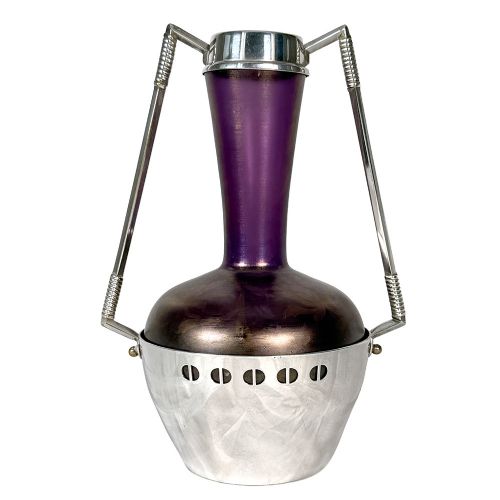
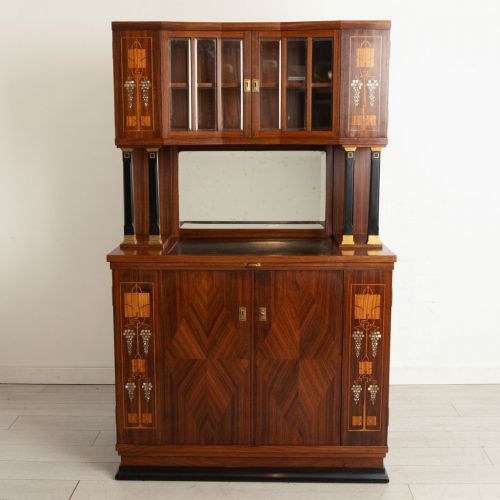
Buyers encountering this material will frequently find items spanning from the year 1900 through the 1920s. The selection ranges from functional vessels in iridescent glass and pewter to substantial domestic furniture including bentwood rocking chairs and display cabinets.
The aesthetic bridges organic floral motifs of Art Nouveau with the cleaner, more rigorous geometry of the Vienna Secession and Wiener Werkstätte. Forms remain purposeful, pairing utility with the distinctive decorative vocabulary of central European workshops.
Materials and production methods
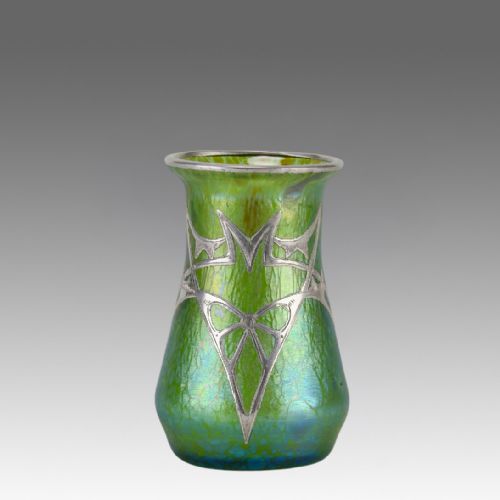
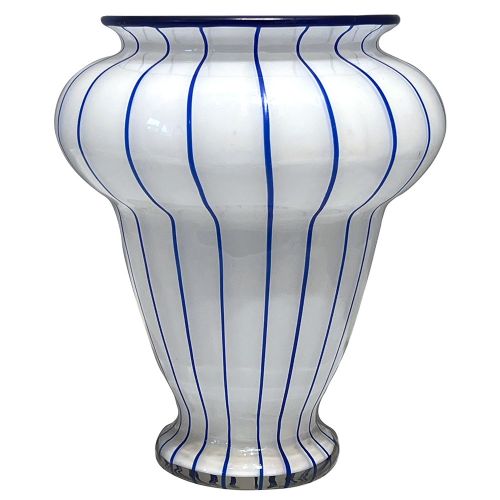
Glass production relies on specialised techniques such as iridescent finishes, crackle effects, and applied striping over opal or green glass bodies. Manufacturers utilised complex blowing and thermal treatments to achieve distinct optical textures.
Furniture construction frequently employs beech wood, often shaped via bentwood techniques, alongside applied veneer and decorative inlay. Metalwork combines silver, silver plate, and pewter, sometimes accented with enamel and coral.
Designers and makers collaborated closely, uniting factory production with specialised studio craftsmanship. This approach integrated diverse media into unified objects of applied art.
Austrian Secessionist Art Retail Price Guide 2026
Typical asking prices for austrian secessionist art among the pieces listed under this phrase on Sellingantiques today, from the lower quarter to the upper quarter. They describe what is for sale here now, not the wider market.
Listings feature works from the periods 1900, 1910, and 1920, utilising materials including glass, beech, silver plate, and inlay.
Evaluating the range of quality
Quality differences depend largely on the sophistication of the design and the pedigree of the maker or designer. Pieces associated with named architects and designers display more resolved proportions and purposeful detailing.
Material execution separates standard production from exceptional examples. The depth of iridescence in glass, the crispness of metal mounts, and the structural integrity of bentwood or veneered furniture determine the caliber of a piece.
Jacob and Joseph Kohn·August Ungethüm·Johann Loetz·Otto Prutscher·Ernst Wahliss·Koloman Moser·Meyr’s Neffe·Josef Margold
The Austrian Secessionist Art Glossary
- Vienna Secession
- An association of Austrian artists who broke away from the traditional academic art institution in 1897. They championed a fresh approach to design and architecture that valued modern materials.
- Wiener Werkstätte
- A production cooperative of visual artists, architects, and designers established in Vienna. It focused on the applied arts and metalwork, producing high-quality domestic objects.
- Bentwood
- A technique of heating wood, specifically beech, to render it pliable for bending into curved structural forms. This method was widely utilised for chairs and rocking furniture.
- Iridescent Glass
- Glass treated with metallic vapours to produce a shimmering, rainbow-like surface sheen. This finish is a hallmark of turn-of-the-century glassworks.
- Secessionist
- A stylistic term describing objects influenced by the central European secession movements. It incorporates both flowing organic lines and strict geometric patterns.
Austrian Secessionist Art: Frequently Asked Questions
What is Austrian secessionist art?
It is a category of decorative and functional objects created during the early twentieth century by artists and designers rejecting traditional academic styles in Austria.
The aesthetic unites organic Art Nouveau motifs with the precise geometry of the Vienna Secession, spanning glass vessels, metalwork, and furniture.
How do I identify glass by Loetz?
Loetz glass is often recognised by its distinct iridescent finishes, specialised decors such as Ausfuehrung 157, and organic vase shapes.
Many pieces also feature metal mounts produced by collaborating workshops, or specific surface textures like crackle glass.
Where were these pieces used?
These items were primarily created for domestic interiors in central Europe, serving as decorative table centrepieces, drinking vessels, and display cabinets.
Furniture like bentwood rocking chairs and single beds furnished contemporary urban homes and apartments designed by progressive architects.
How do I care for iridescent glass and metalwork?
Iridescent glass surfaces require gentle dusting and washing with mild, non-abrasive soap to protect the delicate metallic finish from damage.
Silver plate and pewter mounts should be maintained without harsh chemical polishes to preserve their original patination and applied enamel or coral details.