






Asian Porcelain Art
These pieces of asian porcelain art bring centuries of East Asian craftsmanship into a room through hand-painted vases, dishes, and figures.
Asian Porcelain Art
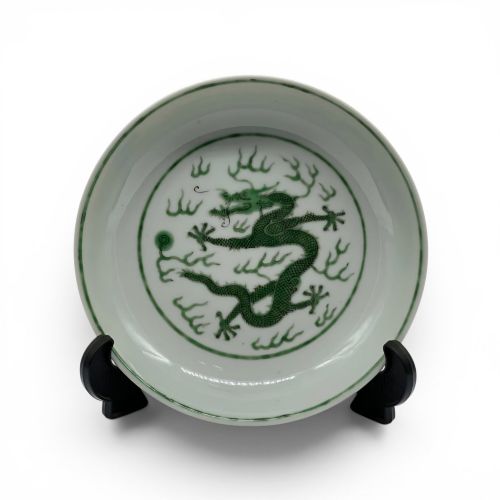
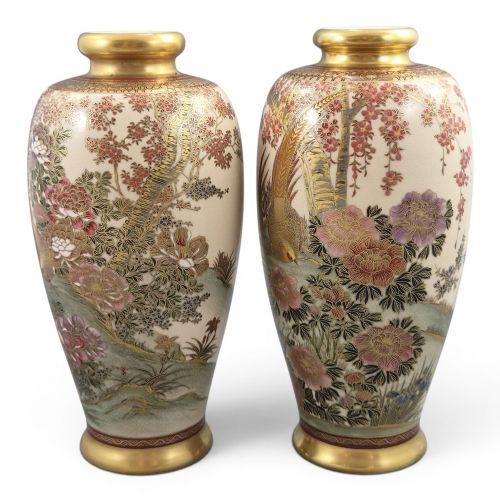
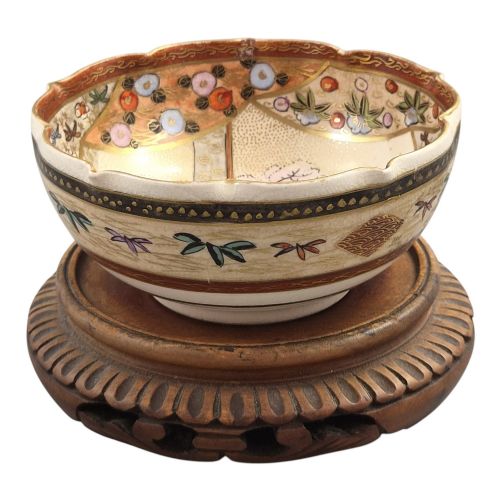
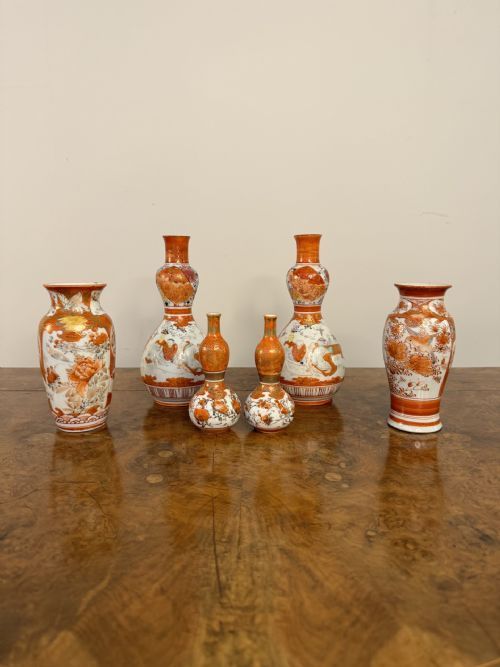
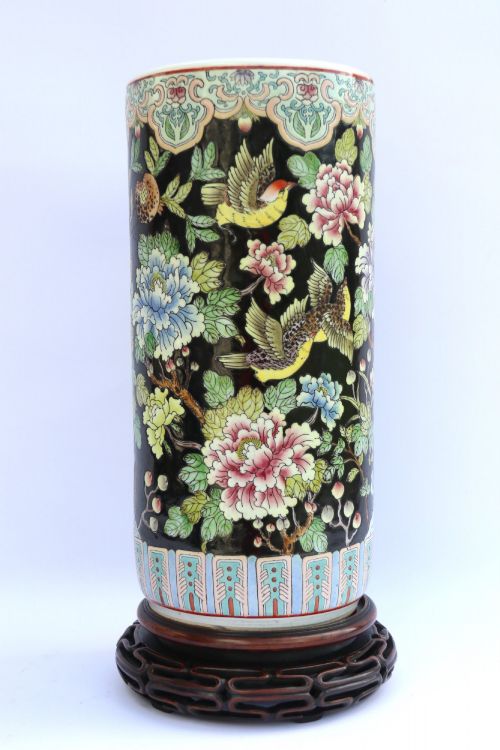
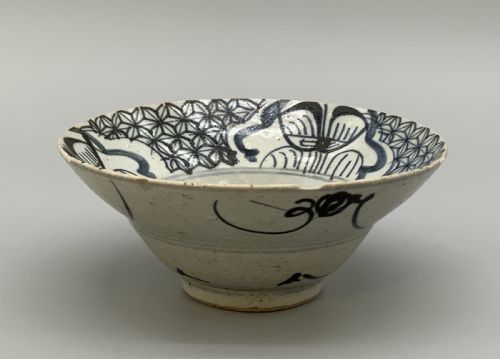
When buyers search for asian porcelain art, they encounter a range of forms spanning Chinese and Japanese traditions from the seventeenth century through the early twentieth century. The selection contains large decorative plates, chargers, and bowls alongside figurative okimono and baluster vases.
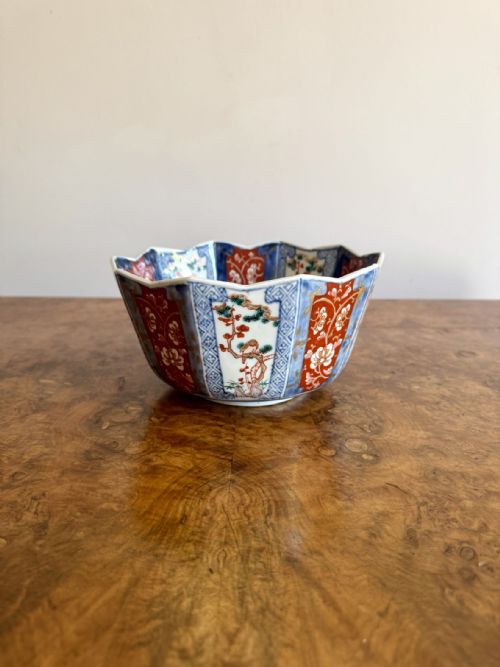
Vases and plates decorated in the Imari and Satsuma styles dominate the available pieces, often marked by elaborate gilding and cobalt blue underglaze. Collectors also find earlier Ming dynasty bowls and celadon dishes displaying traditional moulded floral scrolls.
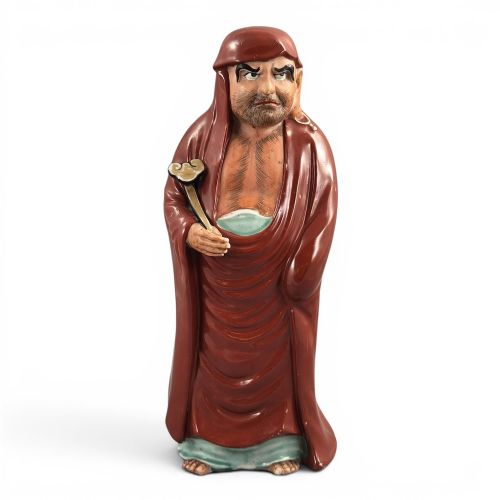
The objects serve primarily as display pieces, taking the form of censers, figurines of deities like Kannon and Jurojin, and large lidded vessels paired with hardwood stands.
Materials and Technique
Potters shaped these objects from high-fired ceramic and porcelain bodies, applying mineral pigments such as cobalt blue underglaze and polychrome enamels before a final glaze firing. Many pieces received secondary decoration in gold leaf and gilt over the glaze.
Makers utilised techniques ranging from hand-thrown vessel construction and mould-pressing to intricate surface applications of lacquer over black paint. Satsuma wares received finely crackled earthenware bodies painted with detailed figural scenes.
Kiln workers achieved specific surface effects through specialised chemical glazes, such as the translucent green celadon glaze applied to carved or moulded designs.
Asian Porcelain Art Retail Price Guide 2026
Typical asking prices for asian porcelain art among the pieces listed under this phrase on Sellingantiques today, from the lower quarter to the upper quarter. They describe what is for sale here now, not the wider market.
Listings feature pieces spanning multiple centuries, from seventeenth-century Ming dynasty bowls to early twentieth-century Showa period vases.
Judging Quality
Quality rests upon the precision of the brushwork and the complexity of the painted motifs, particularly in densely decorated Satsuma and Imari pieces where individual facial expressions and garments require immense control. Well-executed pieces show crisp delineation in the gold gilt and cobalt blue pigments without blurring.
The reputation of the workshop or artist dictates distinction, with signed works from known makers such as Makuzu Kozan, Kinkozan, and Hotoda representing superior output. Studio marks and clear reign or period characters indicate formal production standards.
The physical condition of the glaze and the stability of the porcelain body determine overall integrity, with finer items retaining their original surface gilding and paired wooden stands intact.
Manpei·Hotoda·Makuzu Kozan·Kinkozan·Makuzu Kozan II
The Asian Porcelain Art Glossary
- Imari
- Japanese export porcelain decorated in underglaze cobalt blue, iron red, and gold. This style originated in Arita and was shipped extensively to Europe.
- Satsuma
- A type of Japanese earthenware featuring a pale, ivory-coloured crackle glaze painted with polychrome enamels and gilt. It gained significant popularity during the Meiji period.
- Okimono
- A Japanese ornamental statue or figurine designed for display on a shelf or in a tokonoma alcove. These sculptures often depict deities, monks, or animals.
- Celadon
- A term for pottery denoting both wares glazed in jade green and the specific translucent green glaze itself. The colour mimics jade and results from iron oxide in the reduction kiln.
Asian Porcelain Art: Frequently Asked Questions
What is Satsuma ware?
Satsuma ware is a style of Japanese pottery originating from Satsuma Province, characterised by an ivory-coloured earthenware body covered in a fine crackle glaze. Artisans decorated these surfaces by hand using rich polychrome enamels and heavy gold leaf.
Most surviving pieces date from the nineteenth and early twentieth centuries, produced largely for the export market. They take the form of vases, bowls, and figural okimono depicting historical and mythological scenes.
How do I care for antique porcelain?
Antique porcelain and earthenware require gentle handling and placement away from direct sunlight and dramatic temperature fluctuations. Dust them softly with a dry, lint-free cloth without applying chemical cleaning solutions.
Pieces with delicate gold gilt or lacquer details are especially sensitive to moisture and abrasive materials. Displaying them on stable surfaces prevents accidental tipping.
What defines Imari porcelain?
Imari porcelain refers to Japanese wares exported from the port of Imari, featuring a distinct palette of underglaze cobalt blue, iron red, and supplementary gold leaf. The designs typically incorporate intricate floral panels and brocade patterns.
This aesthetic developed during the Edo period and became highly prized by European collectors. The strong contrast between the deep blue and bright red remains a hallmark of the style.
How can I tell the period?
Dating these objects involves examining the paste, the composition of the glaze, and any signatures or reign marks on the base. Stylistic shifts between dynasties and Japanese imperial periods provide clear chronological markers.
For instance, nineteenth-century Satsuma pieces often display dense, miniature figural painting, whereas earlier wares show simpler geometric or floral motifs. Comparing known workshop signatures helps narrow the timeframe of creation.